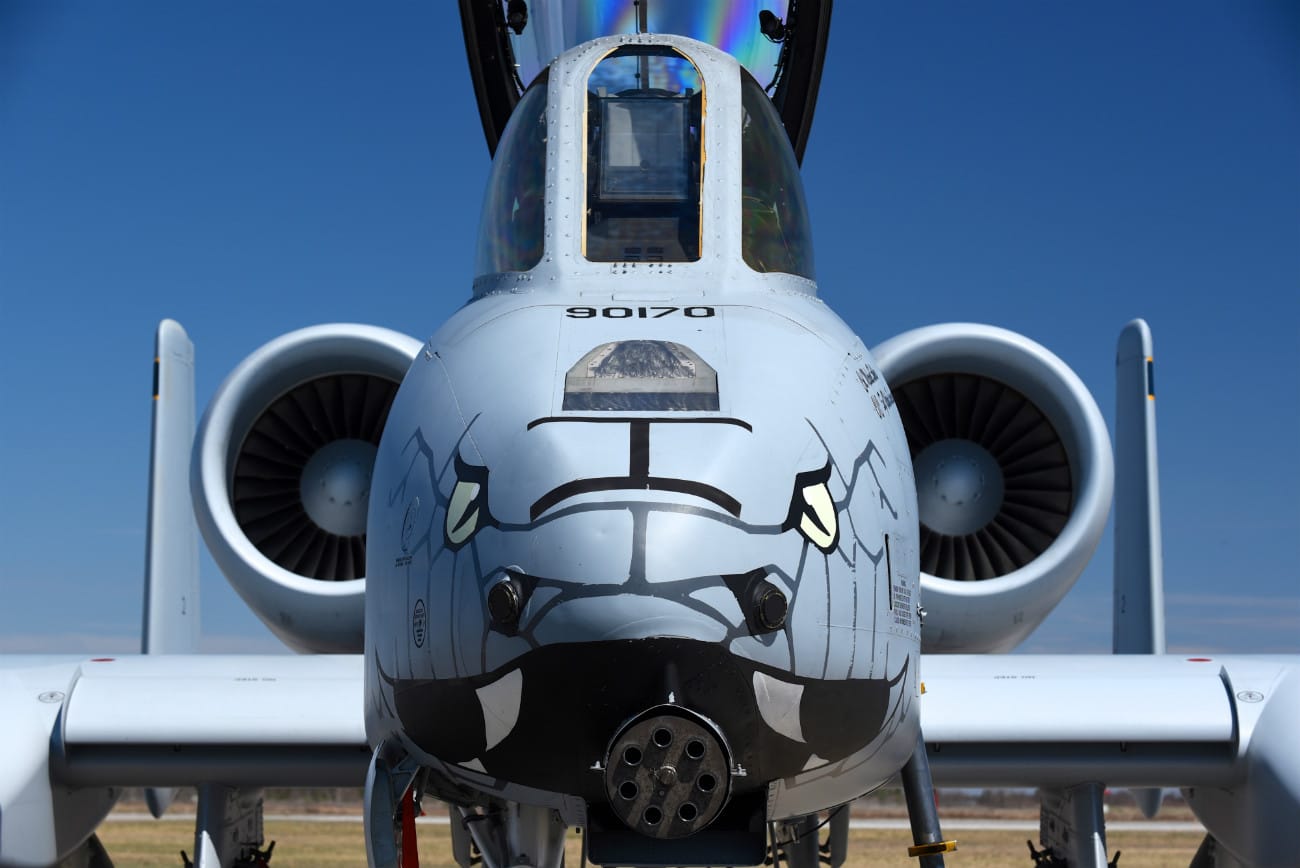
The A-10 Thunderbolt II earned its unofficial nickname "Warthog" from pilots who thought the aircraft's ungainly appearance resembled the African wild pig. While the Air Force officially calls it the Thunderbolt II, almost everyone in military aviation calls it the Warthog or simply "the Hog."
Origin of the Nickname
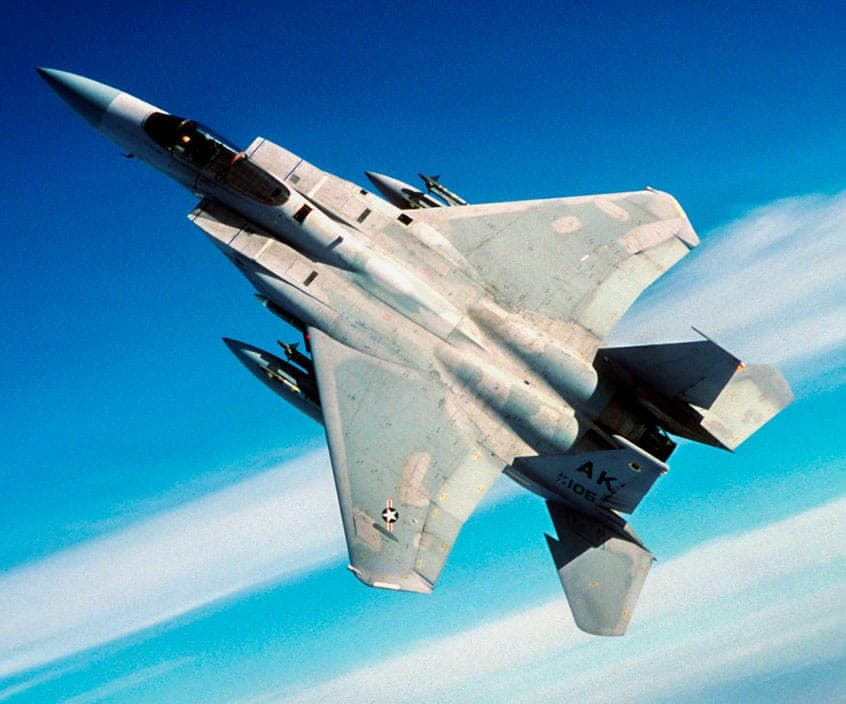
The "Warthog" nickname reportedly originated with Robert "Boomer" Ettinger, an A-10 pilot from the 104th Fighter Squadron, Maryland Air National Guard. When the A-10 first entered service in the mid-1970s, pilots immediately noticed its unusual appearance compared to sleek fighters like the F-15 and F-16.
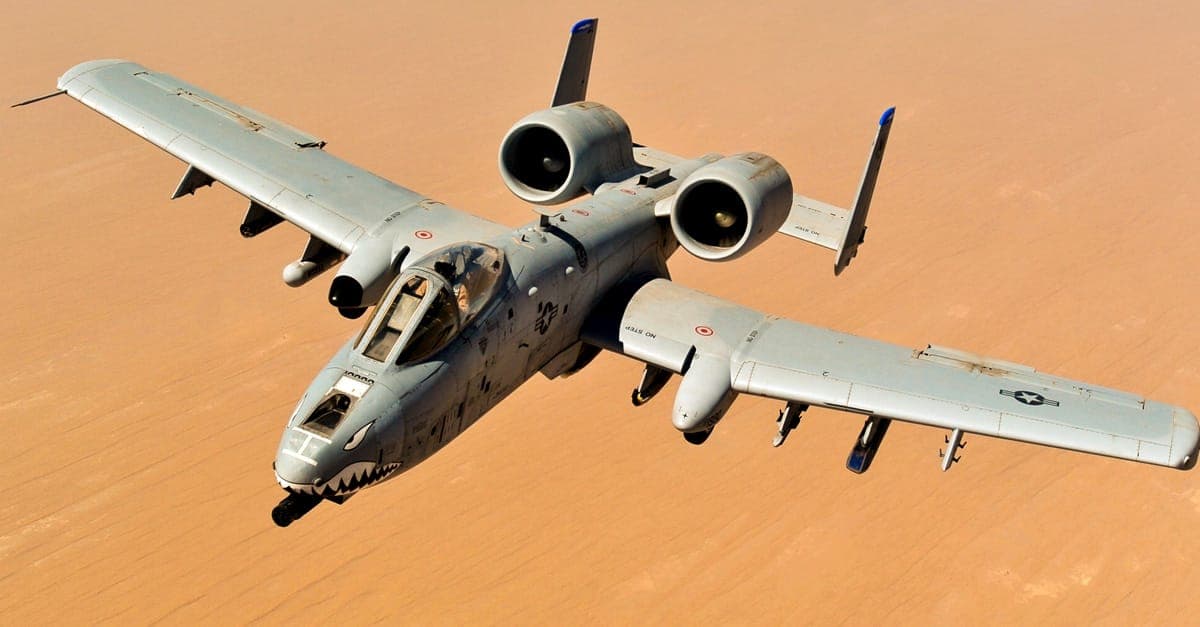
The A-10 was designed purely for function, not aesthetics. Its designers at Fairchild Republic prioritized survivability and firepower over looks, resulting in an aircraft that appears almost comically ugly compared to its peers.
Why the A-10 Looks Like a Warthog
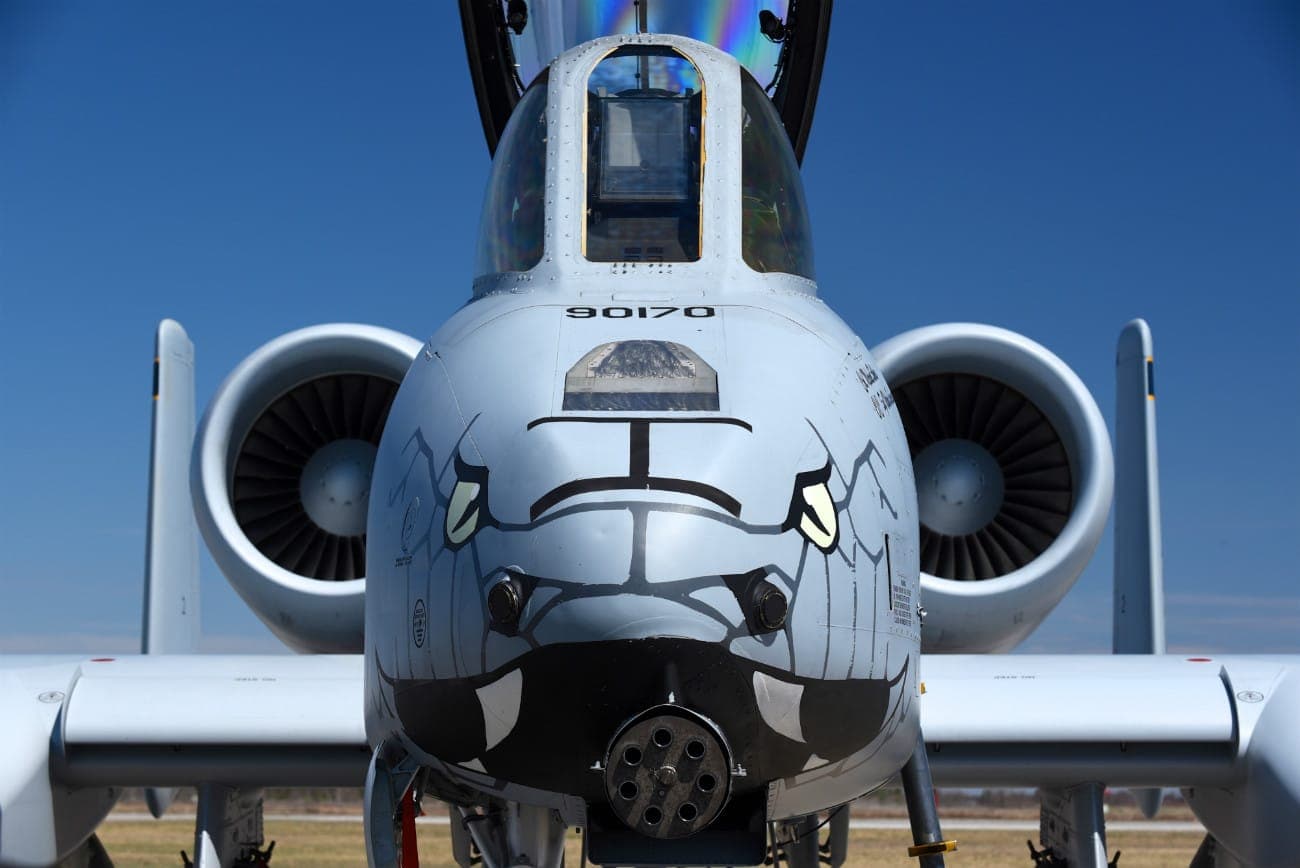
Several design features contribute to the A-10's distinctive appearance:
- Bulbous nose: The forward fuselage houses the massive GAU-8 Avenger cannon, giving the aircraft a pronounced snout
- High-mounted engines: The twin TF34 turbofans sit above the rear fuselage, resembling hunched shoulders
- Stubby wings: The straight, wide wings designed for low-speed maneuverability give it a squat profile
- Twin tail: The distinctive twin vertical stabilizers complete the ungainly silhouette
Like the African warthog, the A-10 appears ungainly but is remarkably effective at what it does. Warthogs are tough, aggressive, and surprisingly fast when needed. The A-10 shares these characteristics.
A Name Pilots Love
A-10 pilots wear the Warthog nickname as a badge of honor. Unlike polished fighter pilots in their sleek jets, Hog drivers embrace the dirty, close-to-the-ground nature of their mission. They support troops in contact, fly low and slow through enemy fire, and take pride in their aircraft's rugged reliability.
The nickname also reflects the aircraft's character. Like its namesake, the A-10 is:
- Tough: Designed to survive hits from 23mm rounds
- Tenacious: Can continue flying with massive damage
- Fearless: Flies directly into enemy fire to support ground troops
- Effective: Devastatingly capable against armored targets
Official vs. Unofficial Names
The Air Force officially named the aircraft "Thunderbolt II" after the P-47 Thunderbolt of World War II fame. Both aircraft share a similar mission: close air support with devastating firepower. The P-47 was known for its rugged construction and eight .50 caliber machine guns.
However, "Thunderbolt II" never caught on. The nickname Warthog proved more memorable and fitting. Today, even official Air Force communications sometimes use "Warthog" or "A-10 Warthog" when referring to the aircraft.
Learn more about this legendary aircraft's firepower in our guide to how many rounds the A-10 carries, or explore what an A-10 costs to operate.