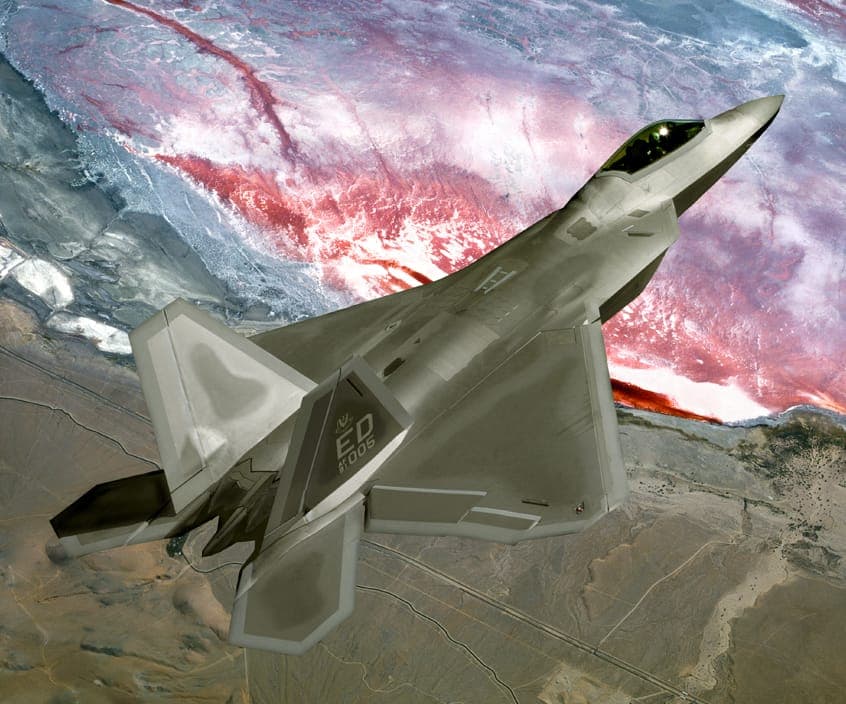
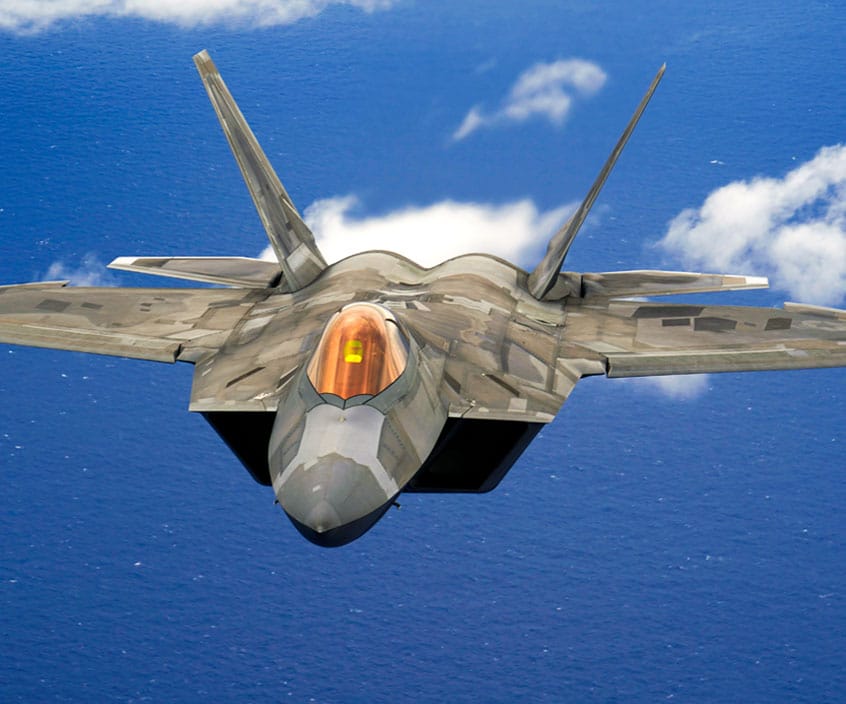
The F-22 Raptor stands as the world's most advanced air superiority fighter. Its name, "Raptor," carries deep significance, connecting the aircraft to nature's most fearsome aerial hunters. Understanding the name reveals the philosophy behind this revolutionary stealth fighter.
What Is a Raptor?
In biology, raptors are birds of prey. This group includes eagles, hawks, falcons, and owls. These predators share common traits: exceptional vision, powerful talons, hooked beaks, and supreme hunting abilities. They strike from above with speed and precision, often before their prey knows they're there.
The F-22 embodies these same characteristics. Its advanced sensors detect enemies at extreme ranges. Its stealth allows it to approach undetected. When it strikes, the engagement is typically over before the opponent can react.
The Naming Process
During the Advanced Tactical Fighter program in the 1980s, Lockheed Martin's design team sought a name that captured their aircraft's revolutionary capabilities. They wanted something that conveyed predatory dominance without referencing previous aircraft names like Eagle or Falcon.
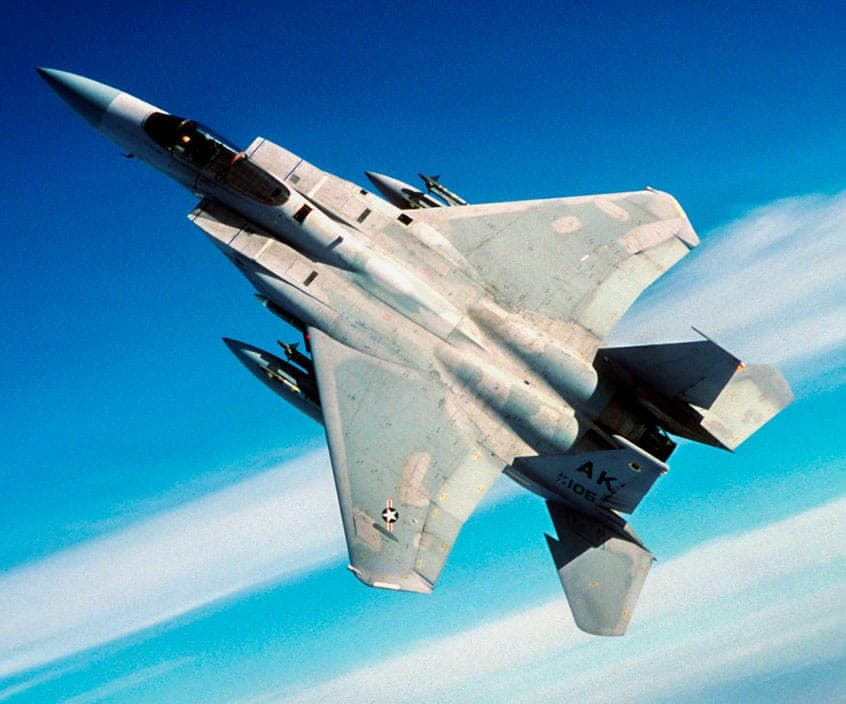
"Raptor" emerged as the perfect choice. It suggested a new breed of fighter, something more advanced and lethal than what came before. The name also avoided confusion with the F-15 Eagle that the F-22 was designed to complement and eventually replace in the air superiority role.
Matching the Name to Capabilities
The F-22's abilities justify its predatory namesake. Consider what makes this aircraft special:
- Stealth: Like an owl hunting silently at night, the F-22's radar cross-section is smaller than a marble. Enemies rarely see it coming.
- Supercruise: The F-22 can fly supersonic without afterburners, allowing it to cover vast distances quickly while conserving fuel.
- Thrust vectoring: Its engines can direct thrust, enabling maneuvers no other fighter can match.
- Sensor fusion: Like a raptor's exceptional vision, the F-22's sensors provide pilots with unparalleled situational awareness.
A Legacy of Dominance
Since entering service in 2005, the F-22 has never lost an air-to-air engagement in training or combat. This perfect record validates the Raptor name. In exercises against F-15 Eagles and international fighters, the F-22 consistently achieves kill ratios exceeding 10-to-1.
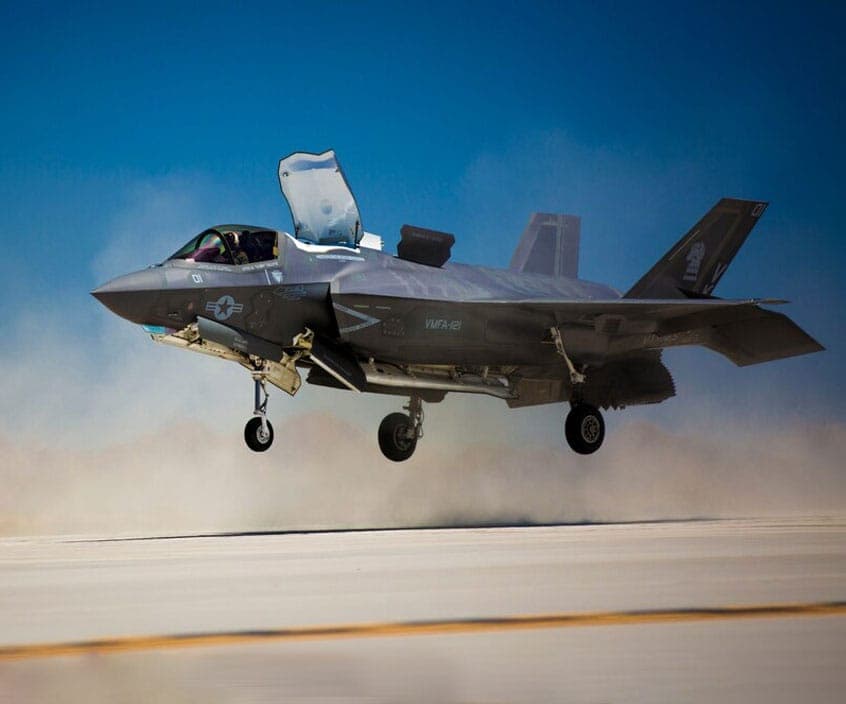
The name also influenced its successor. The F-35 Lightning II takes a different naming approach, honoring World War II aircraft. But both represent Lockheed Martin's vision of American air dominance.
Cultural Impact
The Raptor name has become iconic in military aviation. When people discuss fifth-generation fighters, the F-22 Raptor sets the standard. The name carries such weight that it shaped expectations for what a modern fighter should be.
For a deeper look at how the F-22 compares to other aircraft, see our analysis of the F-22 versus the Russian Su-57 or explore what an F-22 costs to build and operate.
The F-22 Raptor earned its name through design philosophy and proven performance. Like its biological namesakes, it rules its domain as an apex predator.