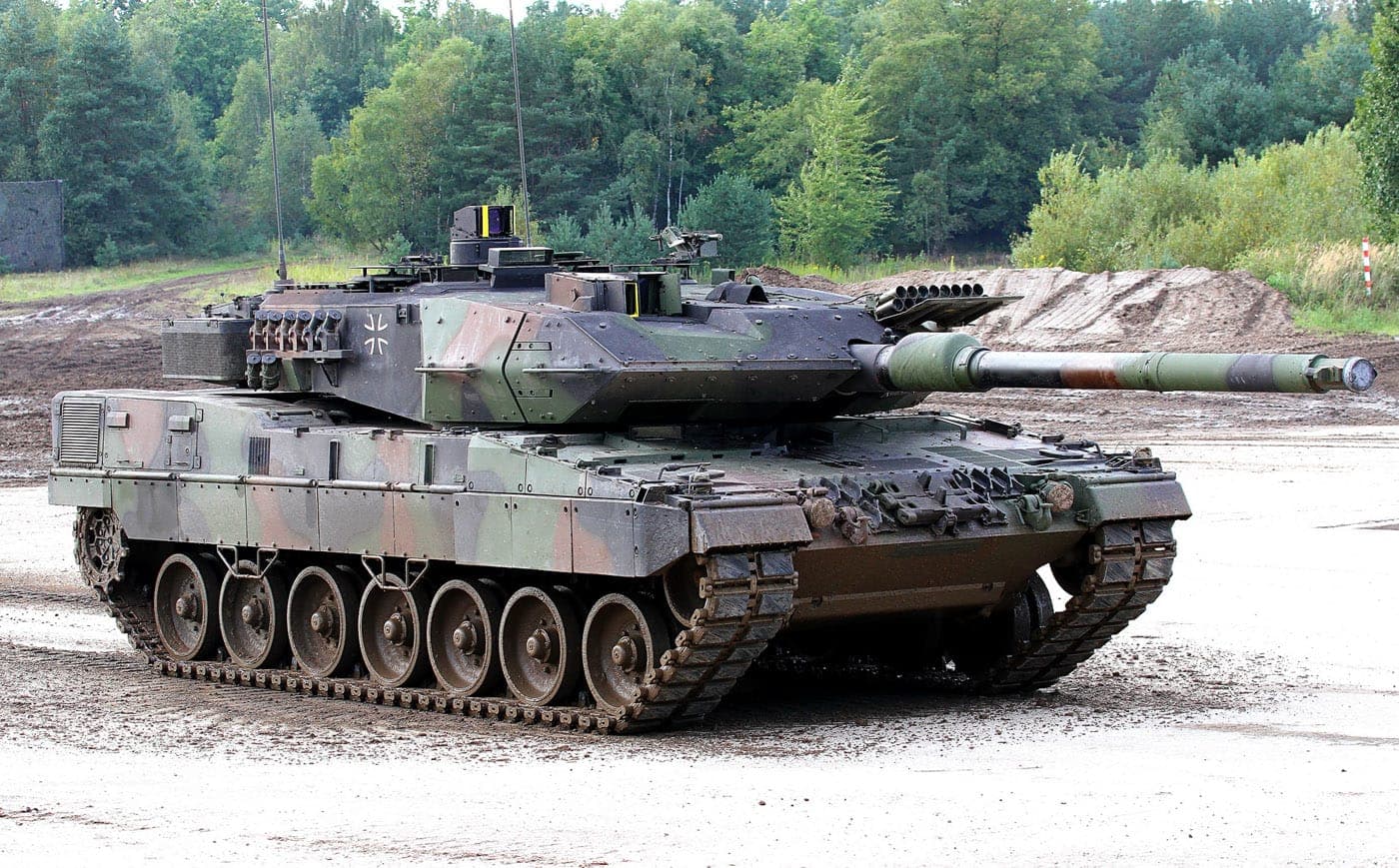
The Leopard 2 represents German engineering at its finest. Since entering service in 1979, this main battle tank has earned a reputation as one of the most formidable armored vehicles ever built. Seventeen nations operate the Leopard 2, making it NATO's most widely used tank outside American designs.
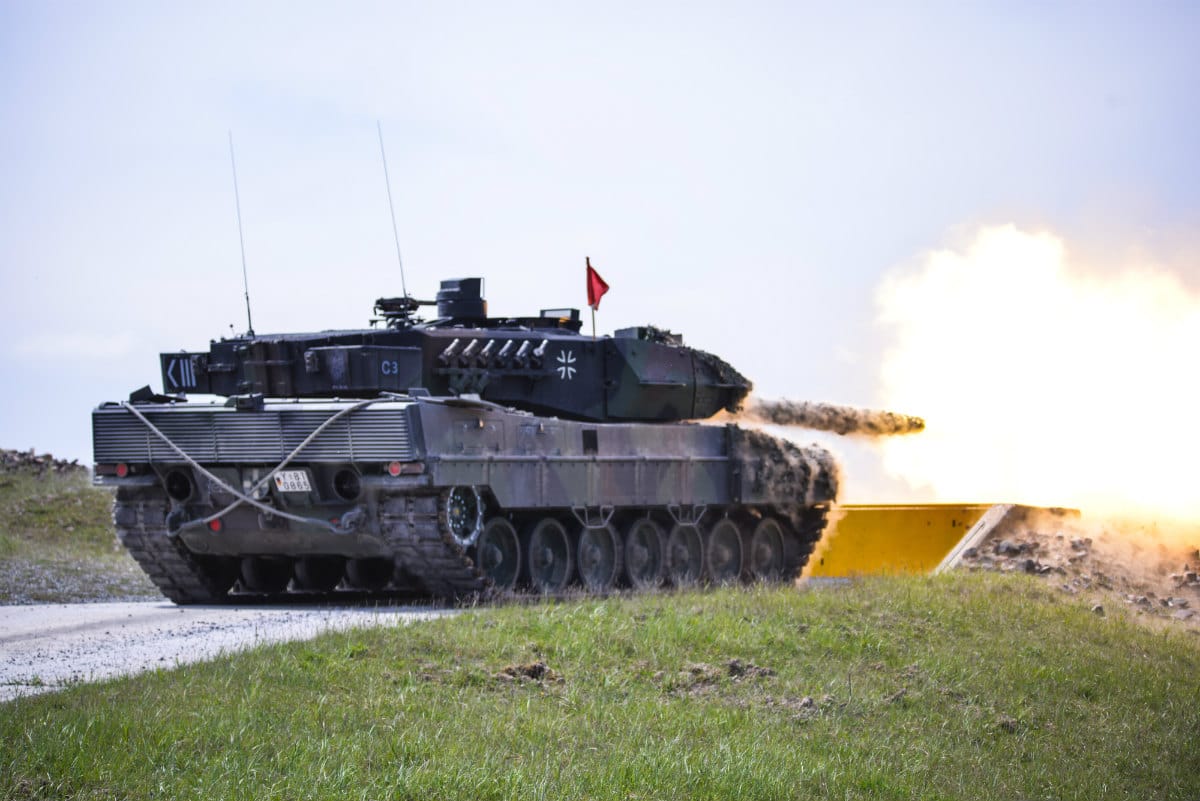
Firepower That Dominates
The Leopard 2's 120mm Rheinmetall smoothbore cannon sets the standard for tank armament. This gun fires a variety of ammunition types, including armor-piercing fin-stabilized discarding sabot (APFSDS) rounds capable of penetrating the frontal armor of any tank in existence.
The fire control system makes this firepower effective. German optical engineering combined with laser rangefinding and thermal imaging allows the Leopard 2 to engage targets accurately while moving, in any weather, day or night. The tank can acquire and destroy a target in seconds.
Protection Through Design
The Leopard 2's armor protection evolved significantly through its variants. The A5 and later models feature wedge-shaped additional armor on the turret, increasing protection against modern anti-tank missiles. The latest A7 variant incorporates mine protection and improved armor packages based on combat experience.
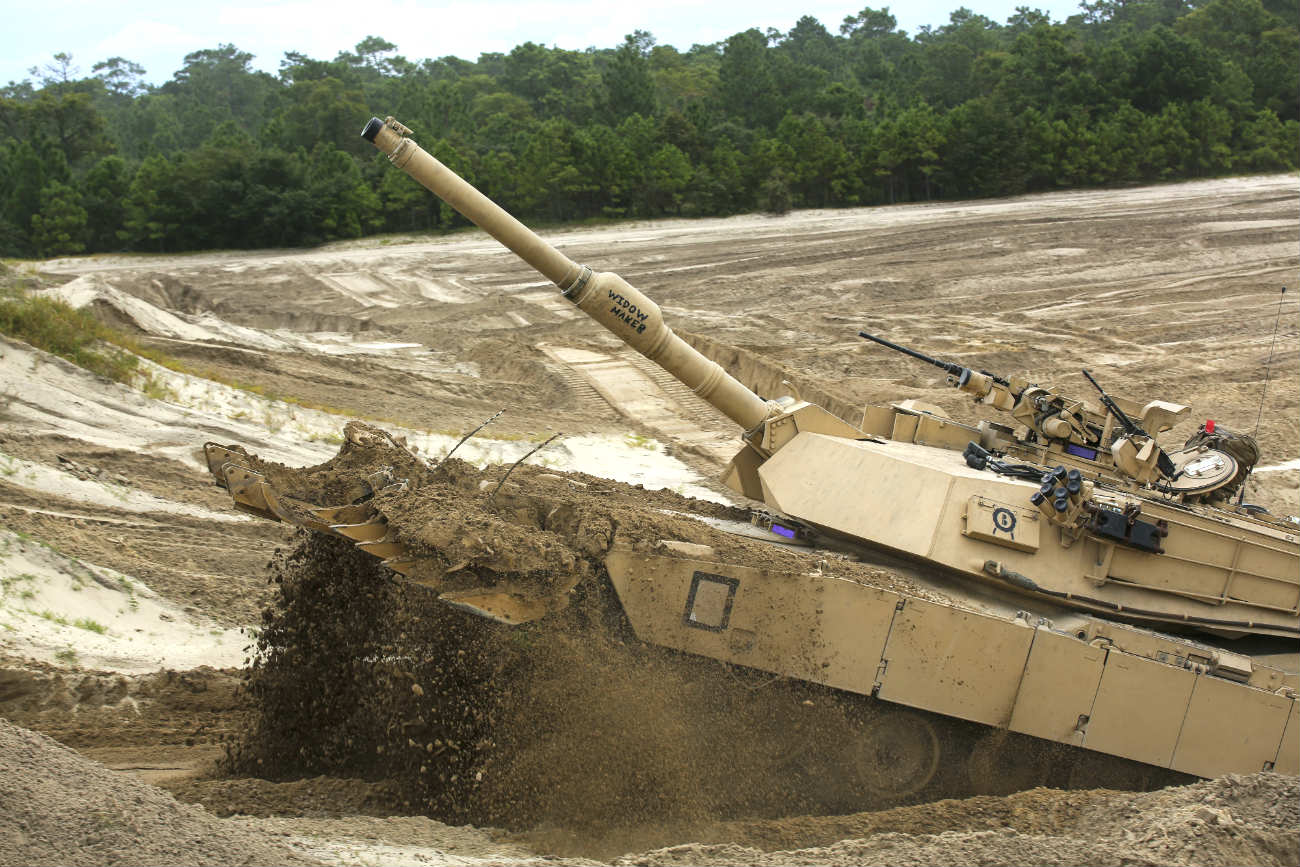
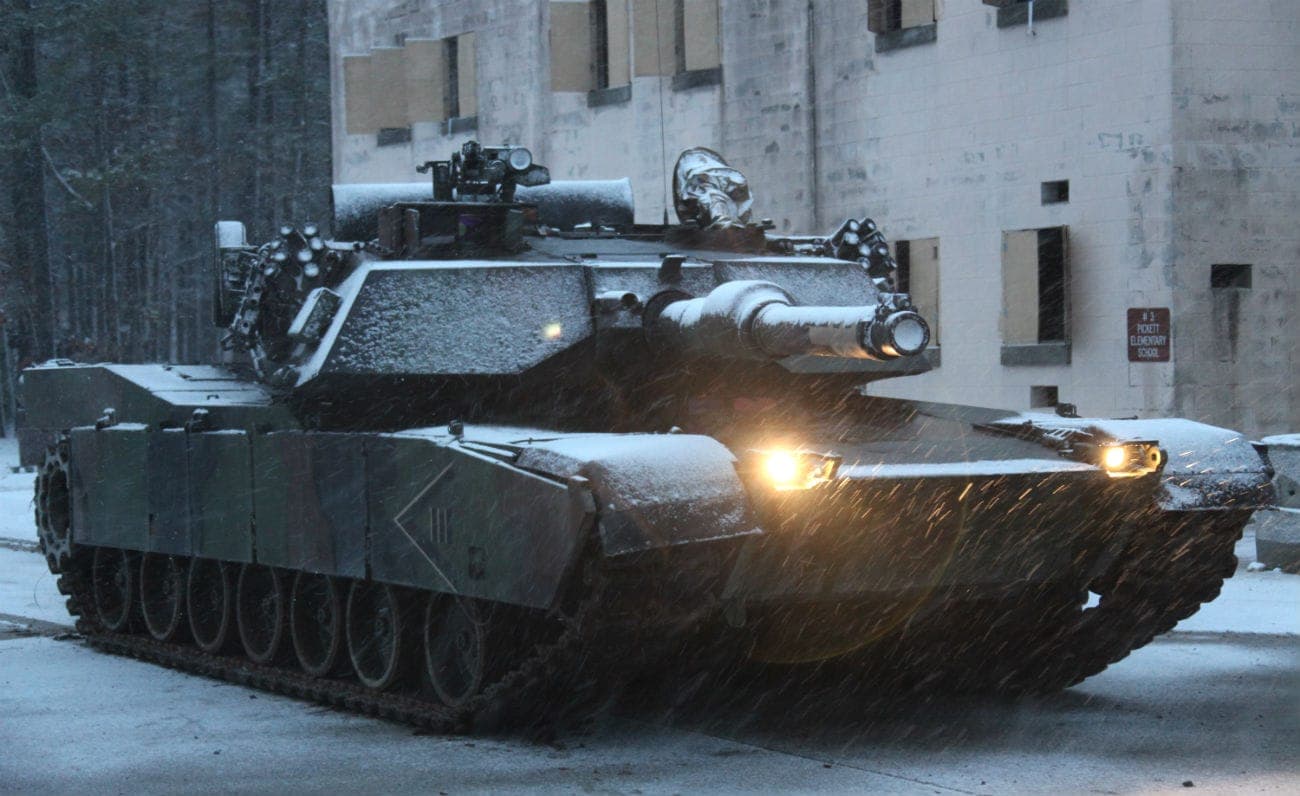
Unlike some tanks that sacrifice weight for deployment ease, the Leopard 2 prioritizes protection. At over 60 tons, it provides crew survivability that lighter vehicles cannot match. This approach differs from platforms like the M1 Abrams, which uses depleted uranium armor inserts.
Mobility and Power
The MTU MB 873 diesel engine produces 1,500 horsepower, giving the Leopard 2 a power-to-weight ratio that enables impressive mobility for its size. Top speed reaches 68 km/h on roads, with excellent cross-country performance.
German engineers prioritized automotive reliability. The Leopard 2's powertrain components can be swapped quickly in the field, minimizing downtime. This maintainability gives the tank excellent operational availability rates compared to more complex designs.
Combat Experience
Turkish Leopard 2A4 tanks saw combat against ISIS and Kurdish forces in Syria, providing real-world data on the tank's performance. Several were destroyed or damaged, leading to debates about armor effectiveness. However, analysis revealed that tactical employment rather than tank design often determined outcomes.
These lessons influenced the latest Leopard 2A7+ variant, which incorporates additional protection specifically designed for urban and asymmetric warfare scenarios.
Variants and Evolution
The Leopard 2 family includes numerous specialized variants:
- Leopard 2A6: Features the longer L/55 gun barrel for improved penetration at range
- Leopard 2A7: Enhanced protection and combat systems for modern threats
- Strv 122: Swedish variant with additional armor and command systems
- Leopard 2 PSO: Peace Support Operations variant for urban combat
How It Compares
In tank comparisons, the Leopard 2 consistently ranks among the top three worldwide. Its combination of firepower, protection, and mobility creates a balanced design that excels across mission types.
See how the Leopard 2 stacks up in our detailed M1 Abrams vs Leopard 2 comparison, or explore other tank articles for more armored vehicle analysis.
The Leopard 2's continued development after four decades proves its fundamental design's excellence. Germany's latest investment in the platform ensures the Leopard 2 will remain relevant for years to come.