The Evolution of Modern Armor: How Tanks Changed Warfare from World War I to Today
For more than a century, the tank has been one of the most powerful and controversial weapons on the battlefield. Born out of desperation in the trenches of World War I, armored vehicles have evolved from slow, unreliable steel boxes into highly advanced combat platforms capable of dominating modern land warfare.
Despite the rise of drones, precision-guided missiles, and cyber warfare, tanks remain central to military strategy around the world. This is the complete story of the evolution of tanks - and how armored warfare reshaped combat from 1916 to today.
The Birth of the Tank: World War I and Trench Warfare
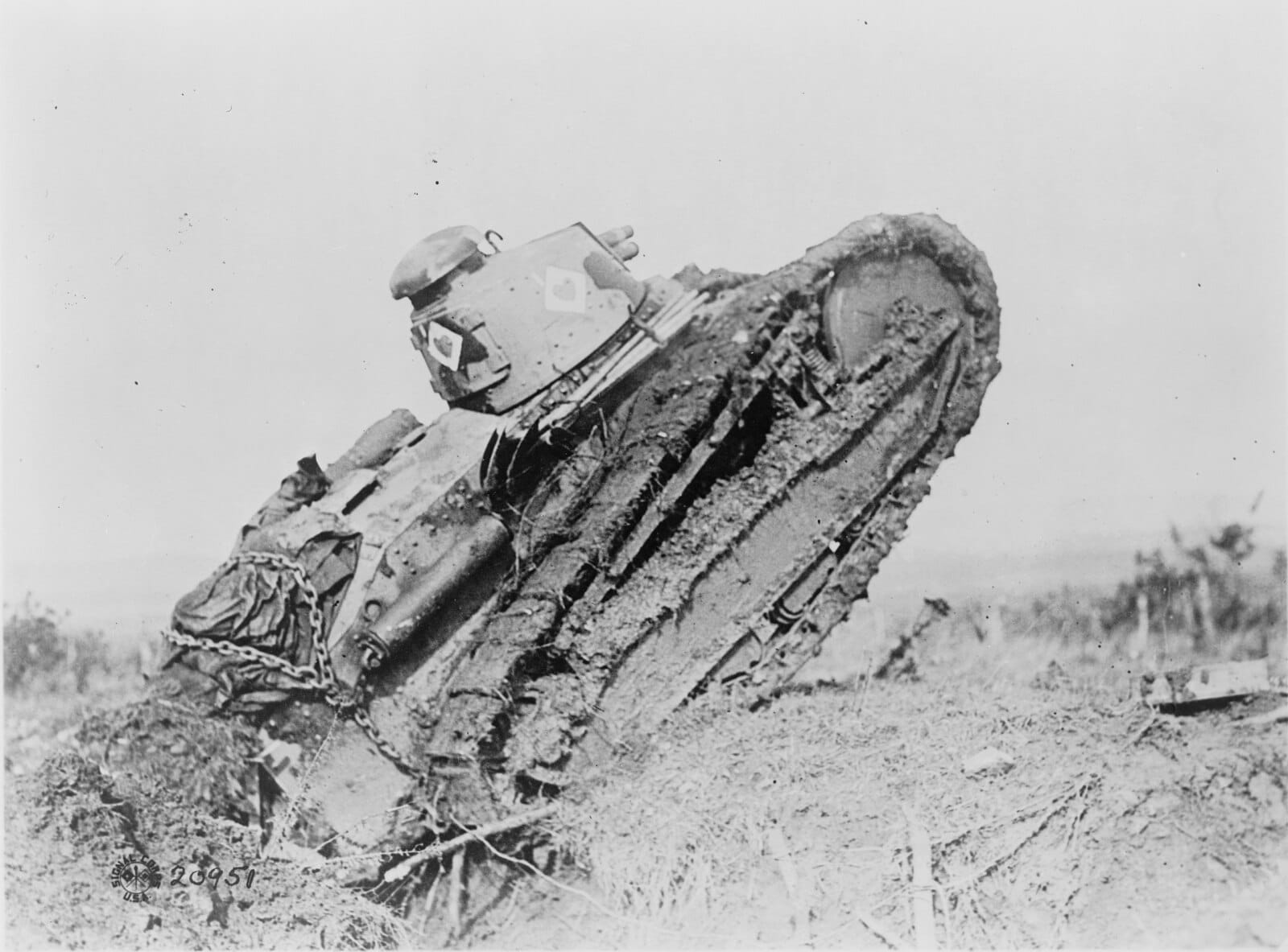
World War I exposed a brutal reality: traditional infantry assaults were no match for machine guns, barbed wire, and entrenched defenses. Armies needed a way to cross no-man’s-land while protecting soldiers from enemy fire.
The answer was the tank.
The British Mark I, first deployed at the Battle of the Somme in 1916, was the world’s first tank. Though slow, unreliable, and difficult to operate, it proved that armored vehicles could break trench warfare and restore battlefield mobility.
France soon followed with the Renault FT, a revolutionary design featuring a rotating turret, rear-mounted engine, and forward crew compartment - a layout that would become the foundation of tank design for the next century.
Between the Wars: When Doctrine Became More Important Than Armor
After World War I, tanks improved mechanically, but the biggest changes were philosophical. Militaries debated how tanks should be used - as infantry support vehicles or as independent weapons capable of decisive breakthroughs.
Germany embraced the latter.
By integrating tanks with radios, mechanized infantry, and close air support, German planners developed the concept of Blitzkrieg. Tanks were no longer slow support platforms; they became fast-moving spearheads designed to collapse enemy defenses before they could react.
This shift in doctrine would redefine warfare when World War II began.
World War II: The Golden Age of Tank Warfare
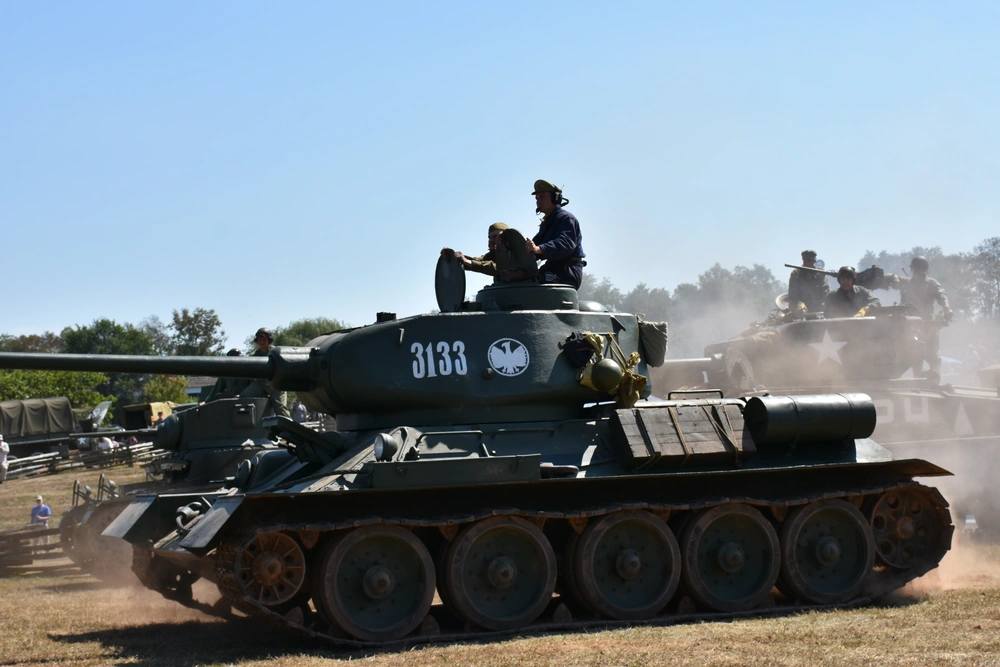
World War II marked the first true era of large-scale tank-versus-tank combat. Armored formations clashed across Europe, North Africa, and the Eastern Front, producing some of the most iconic tanks in history.
Legendary designs from this era include:
- Germany’s Panzer IV and Tiger I
- The Soviet T-34
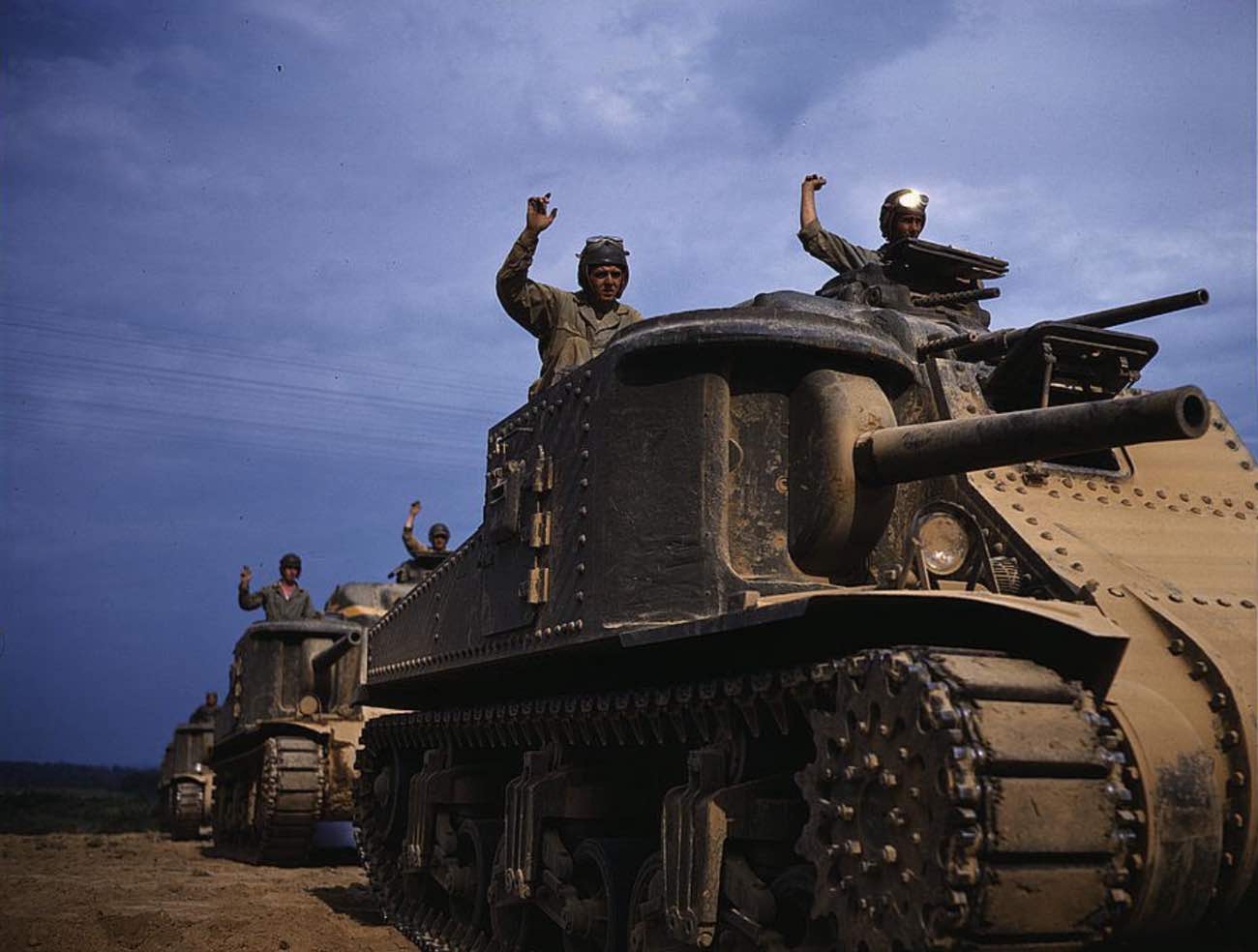
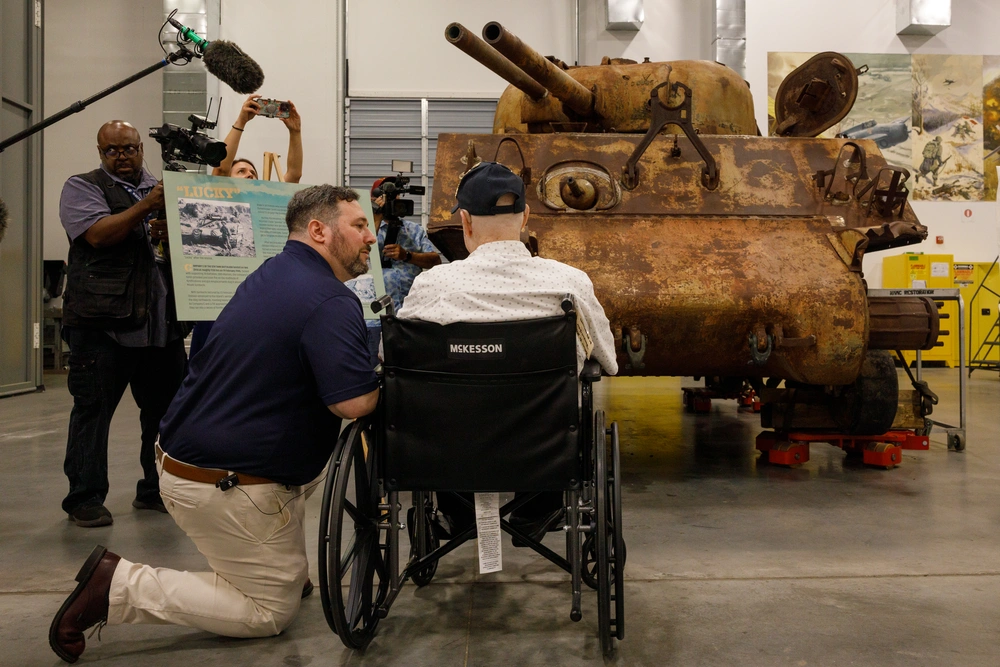
- America’s M4 Sherman
The Soviet T-34, with its sloped armor, wide tracks, and simple construction, demonstrated that smart design and mass production could outperform heavier and more complex machines.
World War II also revealed enduring truths about armored warfare: reliability matters, logistics win wars, and well-trained crews often matter more than raw firepower.
The Cold War and the Rise of the Main Battle Tank
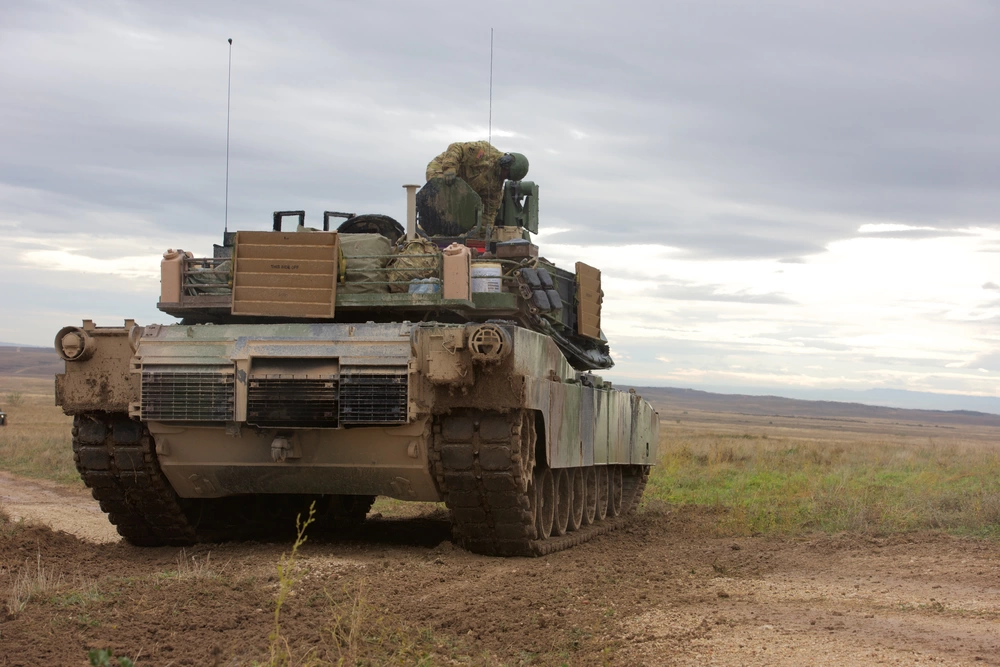
After World War II, military planners consolidated tank roles into a single platform: the main battle tank (MBT). Instead of separate light, medium, and heavy tanks, one vehicle would handle all battlefield roles.
Cold War tanks introduced major technological advances, including stabilized guns, night-vision optics, improved fire-control systems, and advanced armor protection.
Notable Cold War tanks include the M60 Patton, Leopard 1, Chieftain, and the Soviet T-62 and T-72. These machines were designed to fight large-scale armored battles in Europe under the constant threat of nuclear war.
The Modern Era: Digital Tanks and Networked Warfare
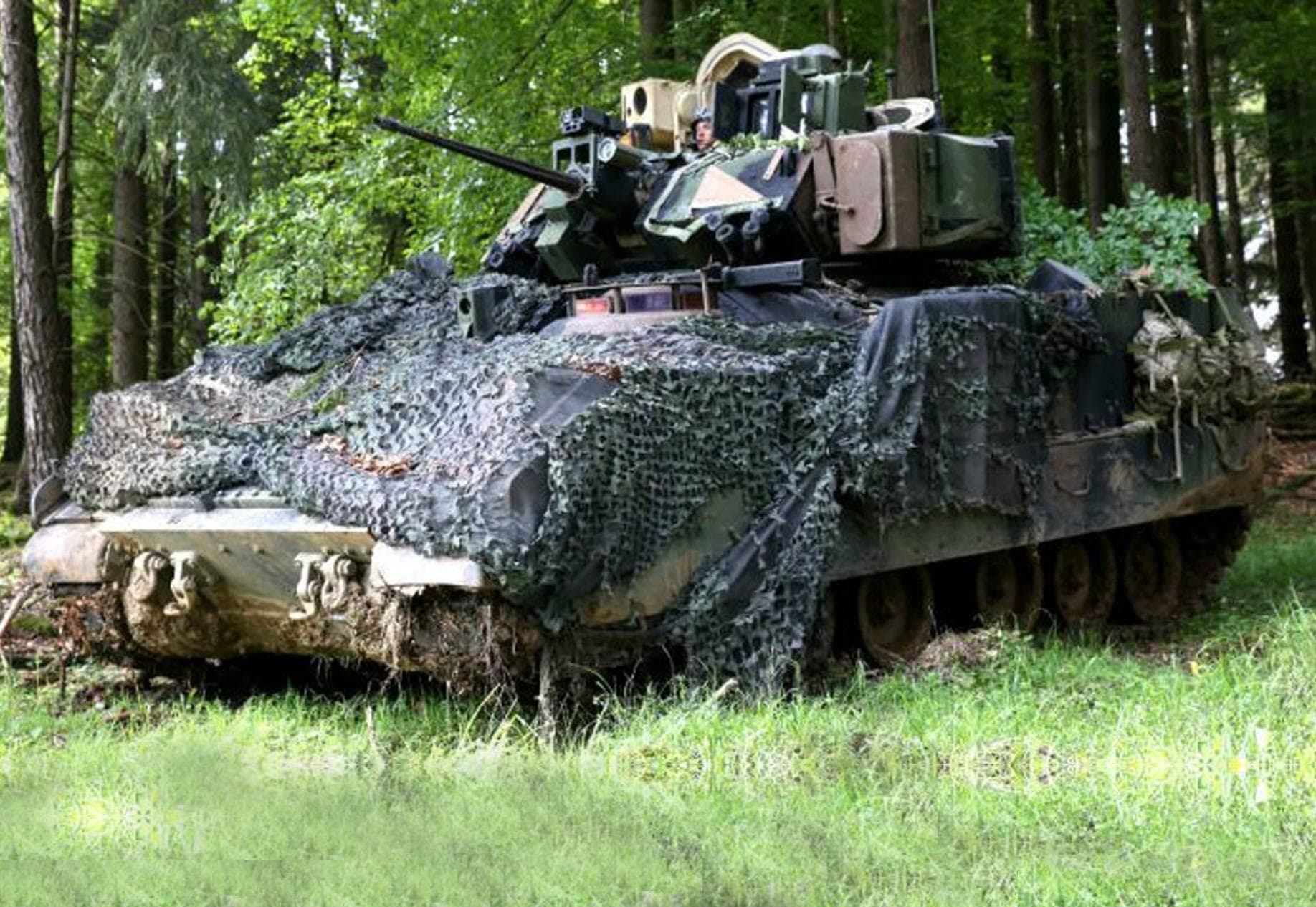
Modern tanks are no longer standalone weapons. They are networked combat systems designed to operate alongside infantry, drones, artillery, and aircraft.
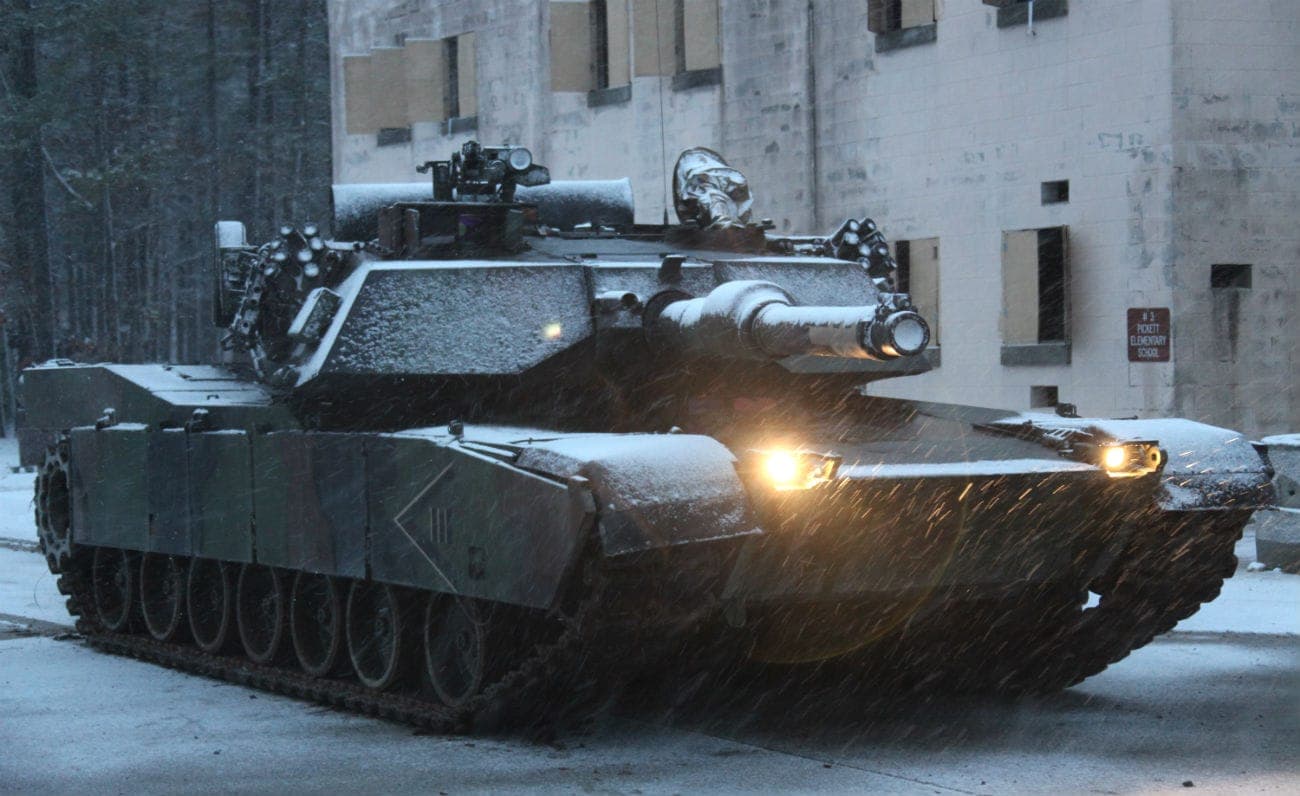
The American M1 Abrams represents the pinnacle of modern Western tank design, featuring composite armor, advanced thermal targeting, and a 120mm smoothbore cannon.
European designs like the Leopard 2 emphasize precision, reliability, and crew survivability, while Russian tanks such as the T-90 and T-14 Armata reflect a different balance between automation, protection, and cost.
Modern tank combat emphasizes long-range detection, first-shot accuracy, and coordination across multiple battlefield domains.
Are Tanks Obsolete in the Age of Drones and Missiles?
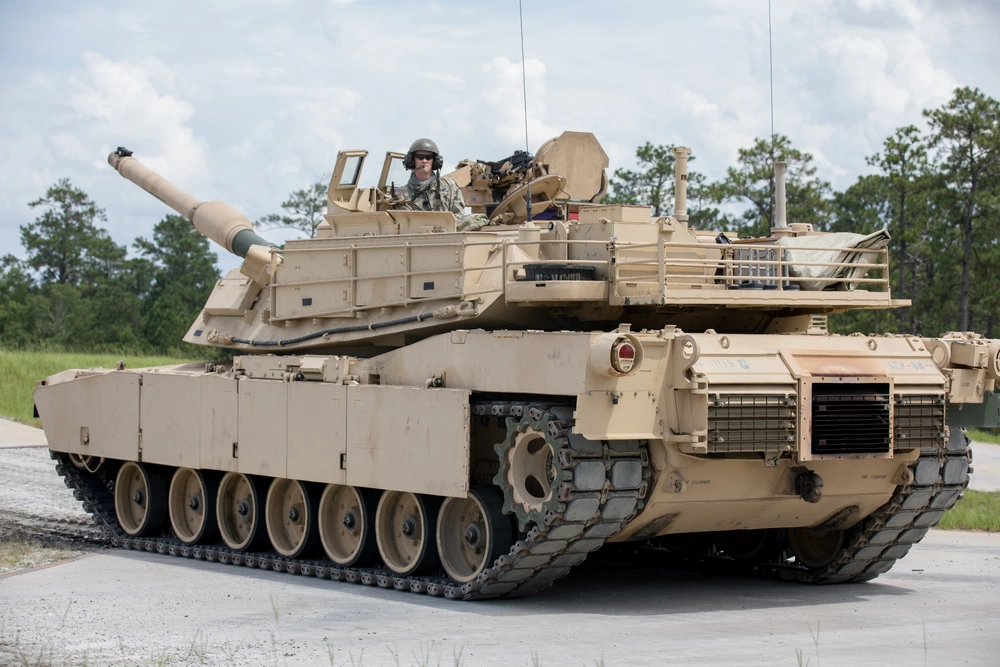
The question is asked after every modern conflict: are tanks obsolete?
While modern battlefields are filled with anti-tank guided missiles, loitering munitions, and armed drones, tanks are not disappearing - they are adapting.
Active protection systems, improved situational awareness, drone integration, and better combined-arms tactics are reshaping how tanks survive and fight. A tank operating without infantry or support is vulnerable. A tank used correctly remains one of the most powerful tools in land warfare.
Why Tanks Still Matter
No other weapon system combines mobility, protection, and firepower in the way a tank does. Tanks can seize ground, support infantry, and dominate key terrain while absorbing punishment that would destroy lighter vehicles.
As long as wars are fought on land, armored vehicles will continue to play a central role.
Final Thoughts
From muddy trenches to digital battlefields, the evolution of tanks reflects the constant interaction between technology, doctrine, and human ingenuity. Tanks have shaped warfare for more than a century - and their story is far from over.