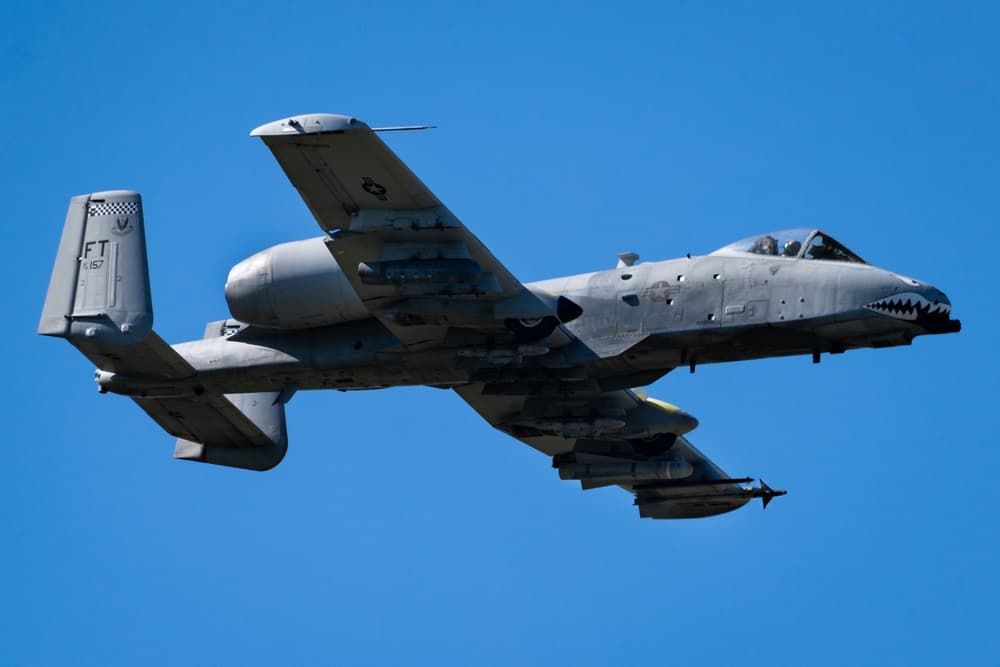
The A-10 Thunderbolt II was designed to absorb punishment and keep flying. But some of the things it has survived go well beyond what any reasonable engineer would have predicted. From battlefield damage that should have been fatal to institutional threats that nearly ended the program, the A-10 has outlasted expectations in ways both physical and political.
This is not a list of things the A-10 is theoretically capable of surviving. These are documented incidents, verified design features, and real institutional battles that the aircraft was never expected to endure. Some involve holes in wings. Others involve holes in budgets. All of them left people surprised.
1. Captain Kim Campbell's Baghdad Mission (2003)
On April 7, 2003, Captain Kim Campbell was providing close air support over Baghdad when her A-10 was hit by ground fire. The damage was severe: the hydraulic systems were destroyed, leaving the aircraft without conventional flight controls. Campbell reverted to the A-10's manual reversion system, a backup mode that allows the pilot to fly using cables and cranks rather than hydraulics. She flew the damaged aircraft for an hour and landed safely at a forward operating base. The aircraft was later repaired and returned to service. The manual reversion system existed specifically because designers assumed the hydraulics would get shot out. They were right.
2. The Titanium Bathtub
The cockpit of the A-10 is surrounded by 1,200 pounds of titanium armor, forming what pilots call the "bathtub." This armor can withstand hits from 23mm rounds, the standard Soviet anti-aircraft caliber when the A-10 was designed. The armor is not just thick but positioned to protect the pilot from below and the sides, the most likely angles of attack during low-altitude strafing runs. Multiple documented incidents have shown pilots surviving hits that penetrated the fuselage but were stopped by the bathtub. The design assumed pilots would get shot at. A lot.
3. Flying With One Engine
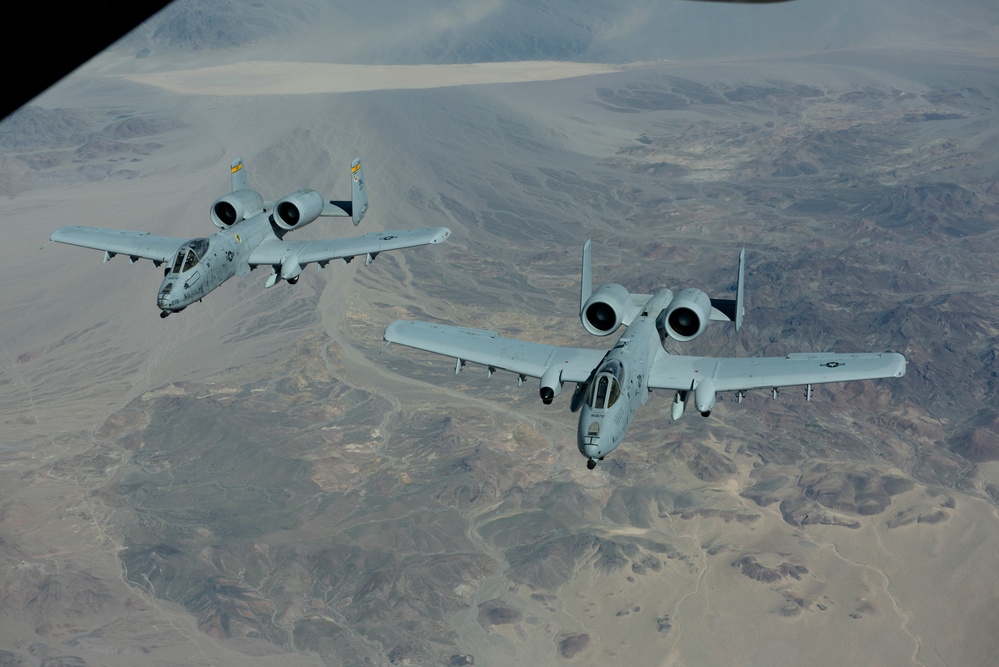
The A-10 has two engines mounted high on the rear fuselage, separated and shielded from each other. The aircraft can fly on a single engine if one is destroyed. This is not theoretical. Multiple A-10s have returned from missions with one engine completely inoperative due to battle damage. The separation of the engines means that damage to one does not automatically affect the other. The high mounting also reduces vulnerability to ground fire compared to wing-mounted engines.
4. Major Brian Udell's 2003 Incident
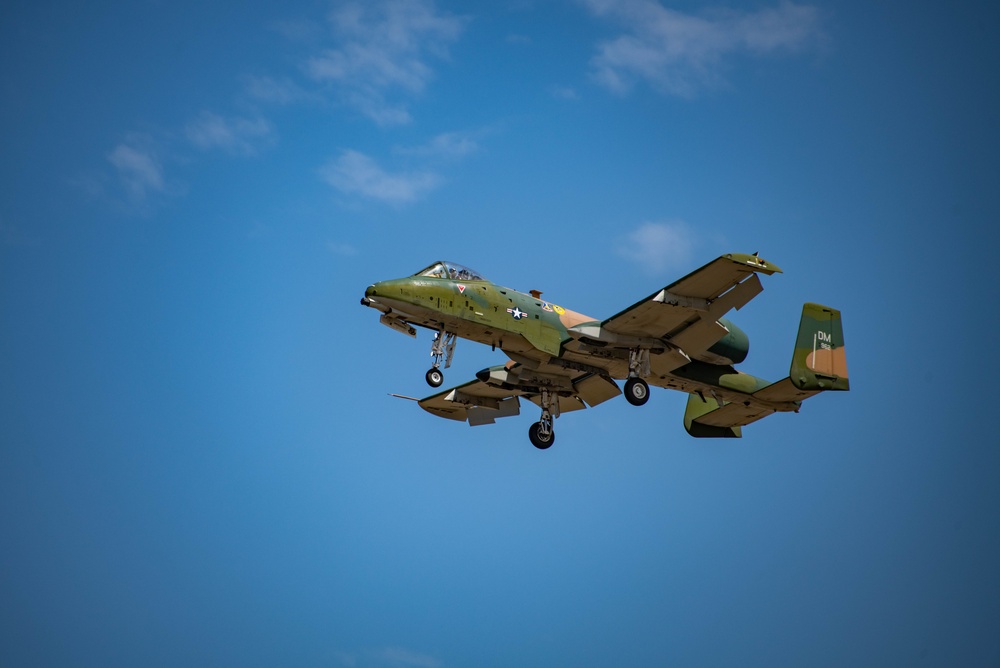
During Operation Iraqi Freedom, Major Brian Udell's A-10 was struck by a surface-to-air missile that destroyed the right engine and caused extensive damage to the rear fuselage. The aircraft lost both hydraulic systems. Udell used the manual reversion system to fly the aircraft back to base, landing without hydraulic braking by using the hook system intended for emergencies. The aircraft's damage was so severe that maintainers initially assumed it could not be repaired. It was.
5. The Redundant Flight Control System
Most modern aircraft have dual hydraulic systems. The A-10 has dual hydraulic systems plus a manual reversion mode that works with neither. If both hydraulic systems fail, the pilot can still control the aircraft through direct mechanical linkages to the control surfaces. This triple-layer redundancy has saved multiple aircraft that lost all hydraulic power. The system works because the A-10 is slow enough and aerodynamically simple enough that manual control remains possible. Faster, more complex aircraft cannot offer this backup.
6. The Self-Sealing Fuel Tanks
The A-10's fuel tanks are filled with reticulated polyurethane foam that prevents fuel from igniting and limits leakage when the tanks are punctured. Multiple A-10s have taken hits to fuel tanks and continued flying because the foam prevented the catastrophic fires that would destroy other aircraft. The tanks also feature internal baffles and are positioned to reduce vulnerability. This is not armor in the traditional sense but engineering that assumes the tanks will get hit.
7. Lieutenant Colonel Jeff Hoff's Wing Damage (2017)
In 2017, an A-10 pilot named Jeff Hoff was performing a low-altitude training mission when a bird strike caused significant damage to the aircraft's wing. Rather than the wing failing, the A-10's robust construction allowed Hoff to maintain control and land safely. The aircraft required substantial repairs but was returned to service. The incident demonstrated that even non-combat damage that would be catastrophic for other aircraft was survivable in the A-10.
8. The Desert Storm Damage Report
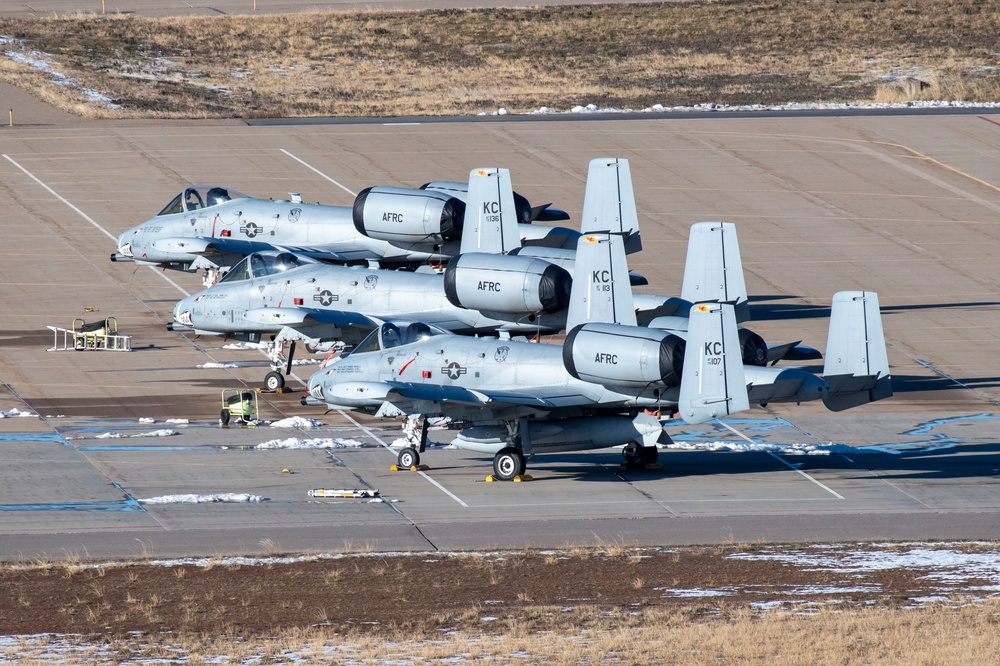
During Operation Desert Storm in 1991, A-10s flew 8,100 combat sorties. Five were shot down. Of the surviving aircraft, many returned with substantial battle damage including holes in wings, damaged engines, and penetrated fuselages. The loss rate was lower than expected given how close to the ground the A-10 operates. Post-war analysis attributed this to the aircraft's survivability features rather than luck.
9. Flying Without a Canopy
In 2017, Captain Brett DeVries lost his canopy and part of his windscreen during a training mission after a gun malfunction caused the canopy to shatter. Despite losing cabin pressurization and having his cockpit exposed to the elements at altitude, DeVries brought the aircraft home safely. He was protected from the windblast by the remaining windscreen structure. The incident showed that even loss of the cockpit enclosure did not make the aircraft unflyable.
10. Belly Landing Without Landing Gear (2017)
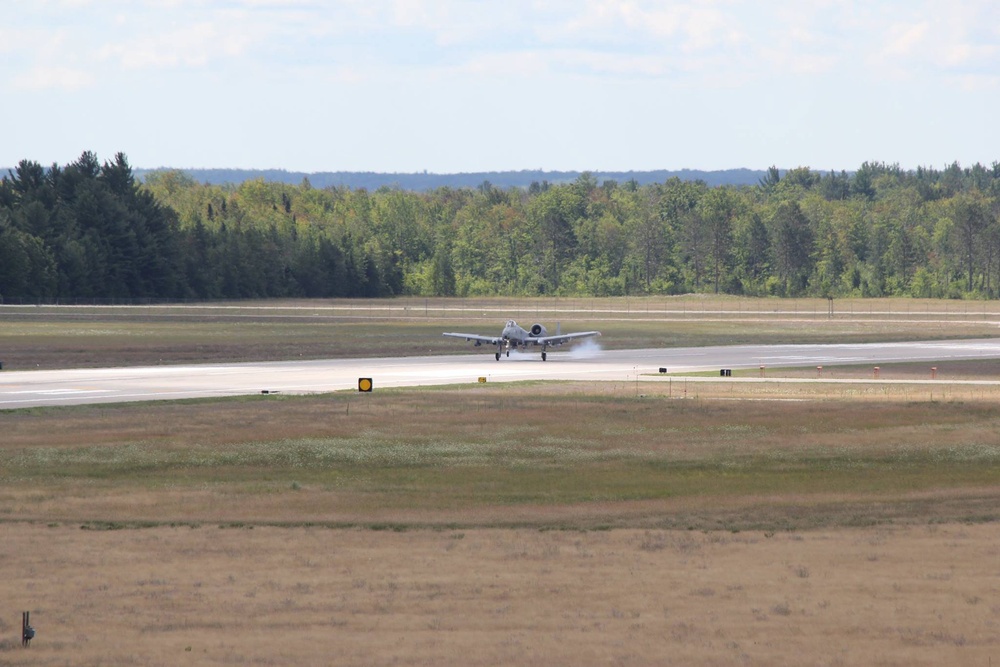
Captain DeVries, the same pilot who lost his canopy, also lost his landing gear during the same incident. He performed a controlled belly landing at Alpena Combat Readiness Training Center in Michigan. The aircraft slid down the runway on its belly, coming to a stop without catching fire or breaking apart. DeVries walked away. The aircraft was later repaired and returned to flying status after three years of work.
11. The 2011 Budget Threat
In 2011, the Air Force proposed retiring the entire A-10 fleet as a cost-saving measure. The aircraft's close air support mission would be transferred to F-35s and other multirole fighters. Congress rejected the proposal. Ground force advocates, including Army leadership, argued that no other aircraft could replicate the A-10's capabilities for troops in contact. The fleet survived not through Air Force advocacy but despite Air Force opposition.
12. The 2014 Retirement Attempt
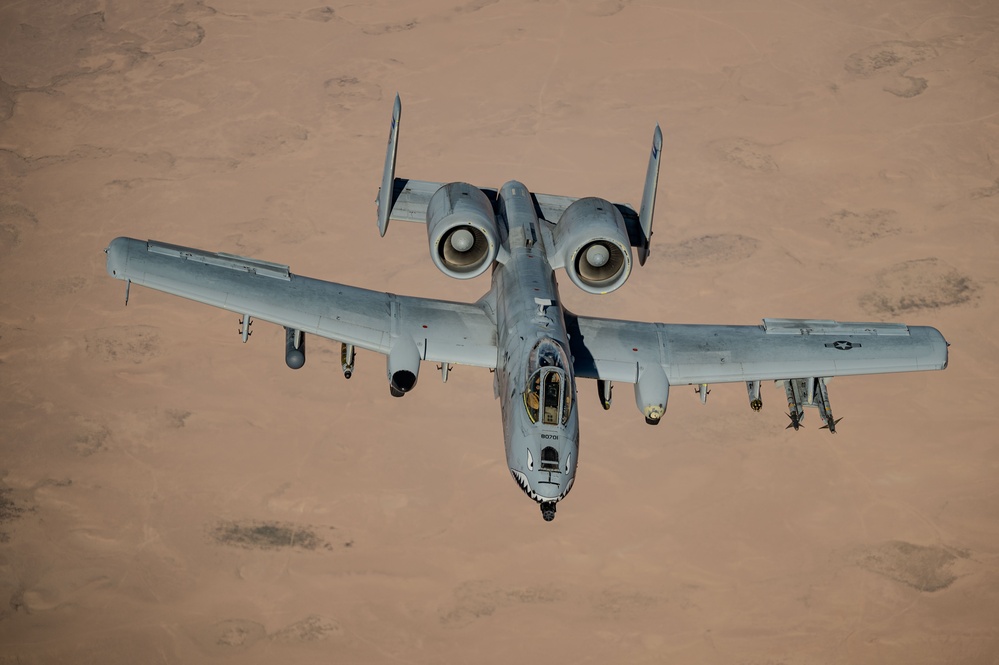
The Air Force tried again in 2014, proposing to save $4.2 billion by retiring all 283 A-10s. Again, Congress blocked the retirement. Senator John McCain was particularly vocal in opposing the move, citing the aircraft's proven performance in Iraq and Afghanistan. The A-10 outlasted another institutional threat that would have ended most programs.
13. The 2016 Study That Backfired
In 2016, the Air Force conducted a study comparing A-10 close air support performance to F-35 performance. The goal was reportedly to demonstrate that the F-35 could handle the mission. The study results were classified, but leaked information suggested the A-10 performed better than the F-35 in several key metrics. The study did not lead to A-10 retirement.
14. The Wing Replacement Program
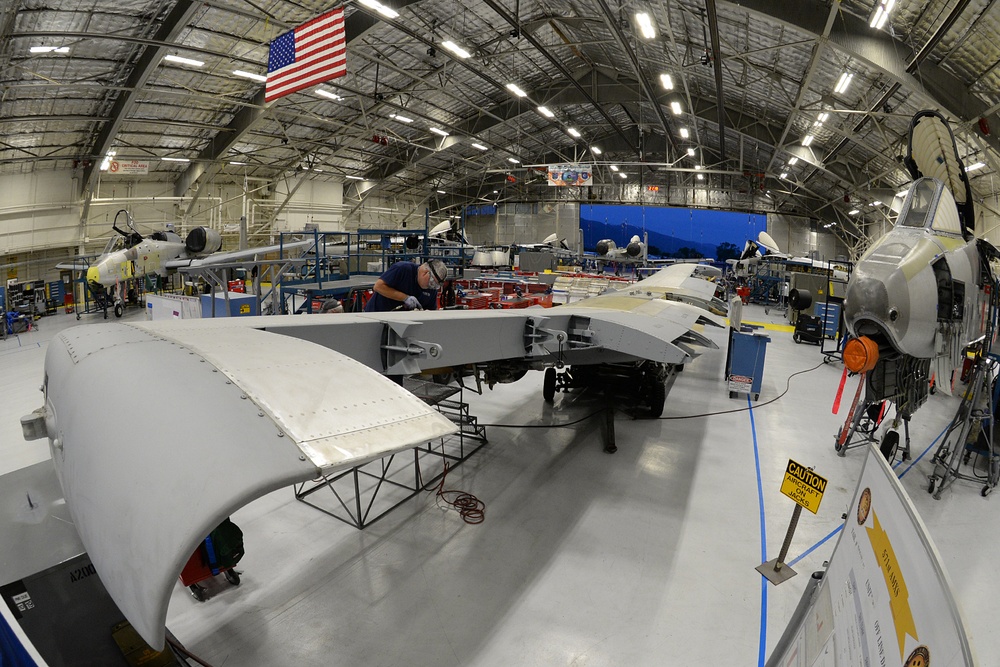
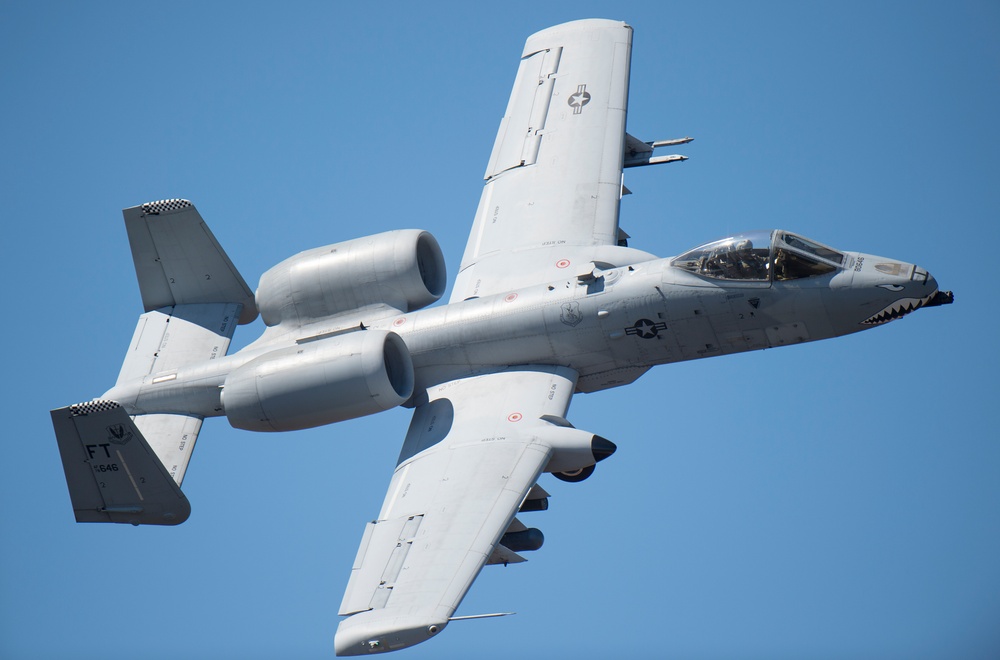
By the 2010s, many A-10s had exceeded their original structural fatigue life. The aircraft were literally wearing out. Rather than retire them, the Air Force initiated a wing replacement program. New wings were manufactured and installed on existing airframes, extending the aircraft's service life by decades. This was an expensive undertaking that only makes sense if the capability is considered irreplaceable. Apparently, it was.
15. Operating From Austere Airfields
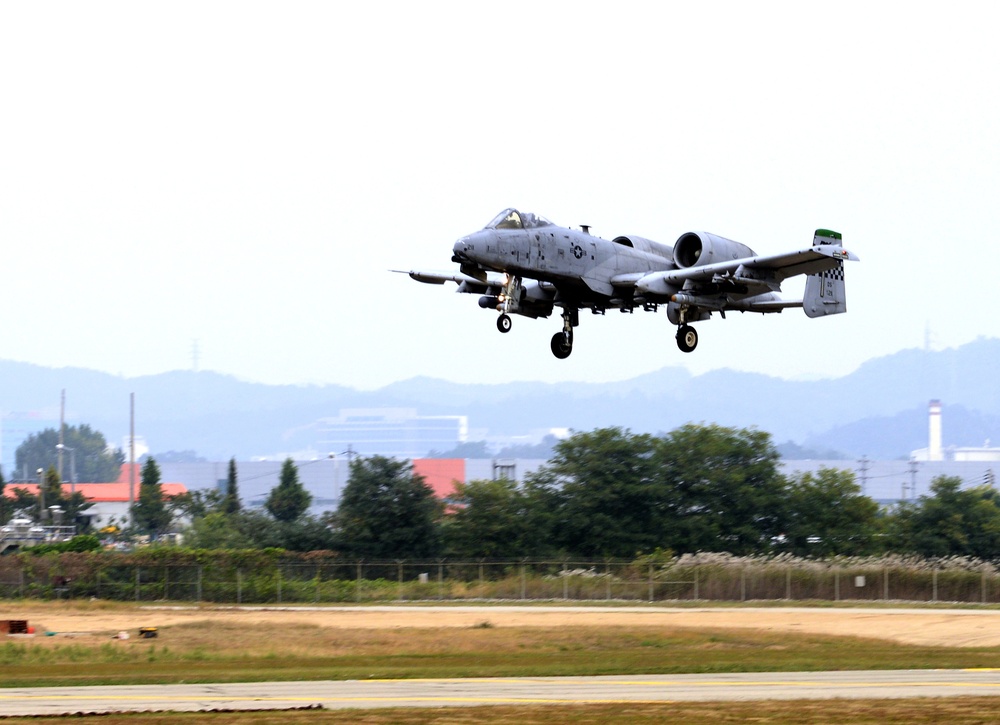
The A-10 was designed to operate from rough, forward airfields rather than pristine runways. Its landing gear is unusually robust, and the engines are positioned to minimize debris ingestion during ground operations. In practice, A-10s have operated from airstrips that would damage other aircraft. This capability has allowed A-10s to position closer to the front lines than jets requiring prepared runways, reducing response time for close air support.
16. The Fuel System Isolation
The A-10's fuel system is designed so that damage to one tank does not affect others. Fuel lines can be isolated, preventing a leak in one area from draining the entire fuel supply. Combined with the self-sealing foam, this compartmentalization has allowed damaged A-10s to limp home on remaining fuel when other aircraft would have run dry.
17. The 2015 Afghanistan Combat Performance
In 2015, amid another debate about A-10 retirement, the aircraft was deployed to Afghanistan where it conducted close air support missions against Taliban positions. Reports from ground forces were positive. The deployment was partly intended to demonstrate continued relevance. It worked. The aircraft's loiter time and gun capability were cited as particularly valuable in mountainous terrain where precision bombs were less effective.
18. The Manual Fuel Pump
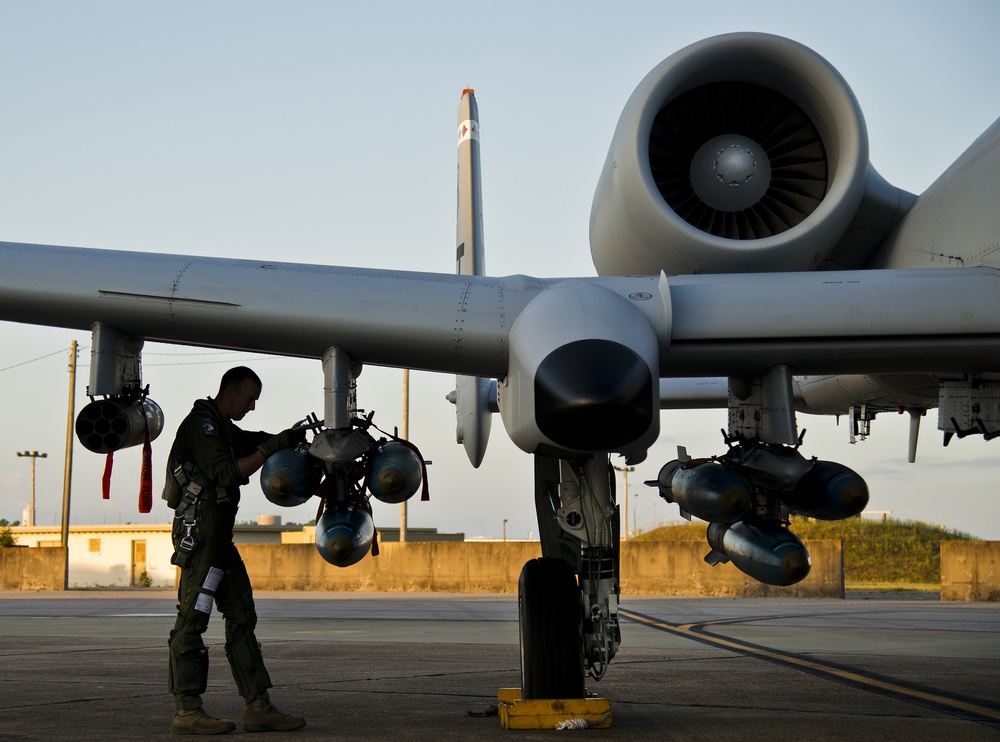
If the A-10's electric fuel pumps fail, the pilot can transfer fuel manually using mechanical backups. This is yet another system designed around the assumption that primary systems will be damaged. Most modern aircraft have no such backup. The A-10 does because its designers assumed everything that could fail would fail.
19. The Landing Gear Design
The A-10's main landing gear retracts into fairings but remains partially exposed. This is not a design flaw. If hydraulic systems fail and the gear cannot be lowered normally, the gear can be dropped by gravity alone. The partial exposure also means that if the gear is damaged, it does not create problems for the aircraft's aerodynamics since it was never fully enclosed anyway.
20. The 2024 Service Life Extension
In 2024, the Air Force announced plans to keep A-10s flying into the 2030s, more than 50 years after the aircraft first entered service. The fleet has already survived numerous retirement attempts, budget cuts, and the introduction of replacement aircraft. Each time, operational requirements and advocacy from ground forces have preserved the program. At this point, surviving institutional threats may be the A-10's most impressive capability.
The A-10 was designed to survive a war that never happened: a Soviet armored assault through central Europe. Instead, it has survived different wars, different threats, and repeated attempts to retire it. The aircraft's physical survivability features work as designed. But its institutional survival may be even more remarkable. When an aircraft built in the 1970s is still flying missions after dozens of newer platforms have come and gone, something about the original design was more right than anyone expected.
For more on the A-10's ongoing role and the challenges of replacing it, see our in-depth analysis: Why the A-10 Warthog Refuses to Die.