When someone joins the military, most people imagine infantry, pilots, mechanics, or medics. But modern armed forces employ specialists in roles so specific that their job titles sound invented. Some sound like punchlines. Others sound like video game characters. All of them exist because warfare and military operations have become complex enough to require them.
The military has titles for everything. Every function gets documented, classified, and assigned a formal occupational specialty code. That level of bureaucratic precision sometimes creates job titles that sound absurd until you understand what they actually do. Here are 21 military jobs that sound fake but are completely real.
1. Explosive Ordnance Disposal Technician
The job title sounds like a euphemism invented by someone who thought "bomb squad" was too casual. But EOD technicians are among the most specialized and intensely trained personnel in any military. They identify, render safe, and dispose of explosive hazards ranging from unexploded bombs from past conflicts to improvised explosive devices in active combat zones. The training pipeline is notoriously difficult, with high washout rates. These technicians work with chemical, biological, radiological, and nuclear threats in addition to conventional explosives. The job exists because explosives do not go away on their own, and someone has to deal with them deliberately and precisely.
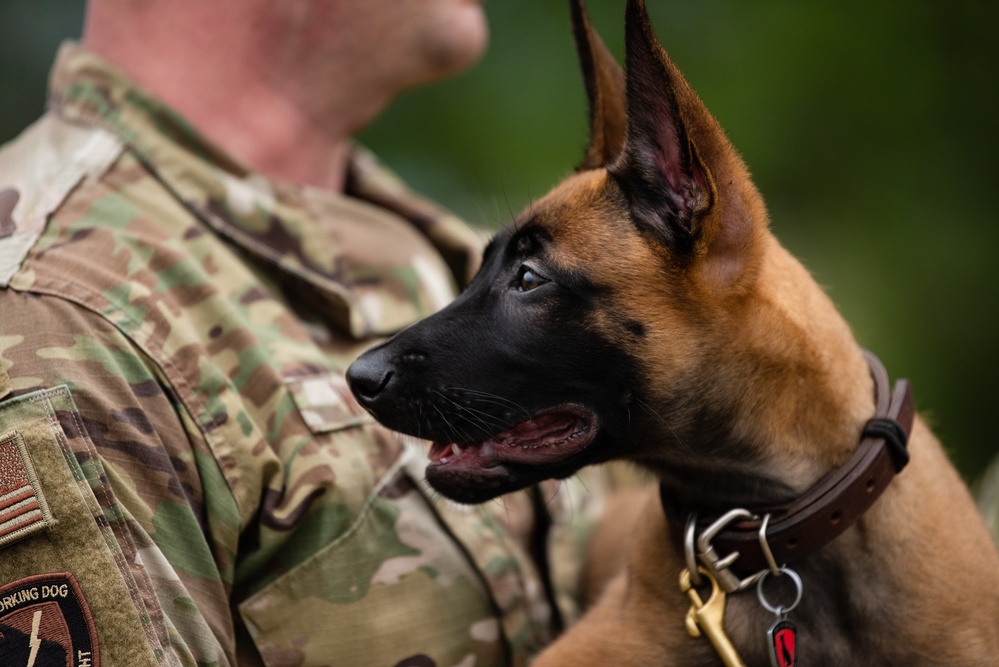
2. Military Working Dog Handler
The military has professional dog handlers. That sounds like a perk until you understand what these teams actually do. Military working dogs detect explosives, narcotics, and human scent in conditions that electronic sensors cannot match. They provide patrol capabilities, building searches, and controlled aggression on command. The handler and dog operate as a team, often deploying together to combat zones. Handlers are responsible for the care, training, and welfare of their canine partners around the clock. The dogs retire eventually. So do the handlers. Sometimes the handlers adopt their retired partners. The job sounds like something a child would invent. It exists because dogs remain better at certain tasks than any technology.
3. Parachute Rigger
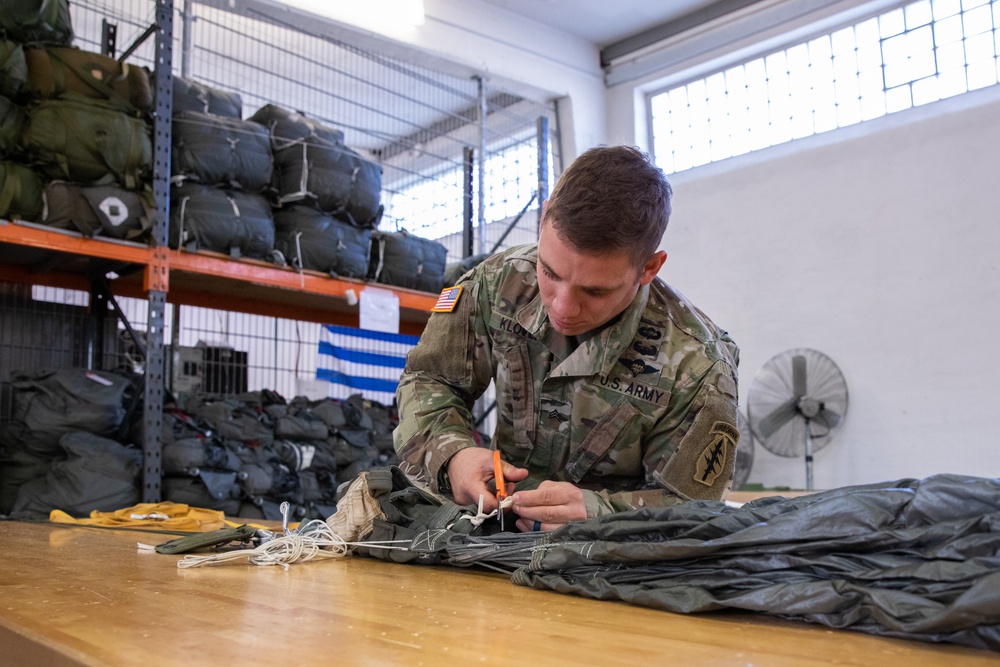
Someone has to pack the parachutes. That simple reality created an entire military specialty. Parachute riggers inspect, pack, and maintain personnel parachutes, cargo parachutes, and aerial delivery systems. They sign their work with their name because if the parachute fails, everyone knows who packed it. Riggers also test their own work by jumping with randomly selected parachutes they have packed. The job title sounds like something from an old movie, but airborne operations depend entirely on riggers doing their work correctly. Every jump that goes right started with a rigger.
4. Combat Diver
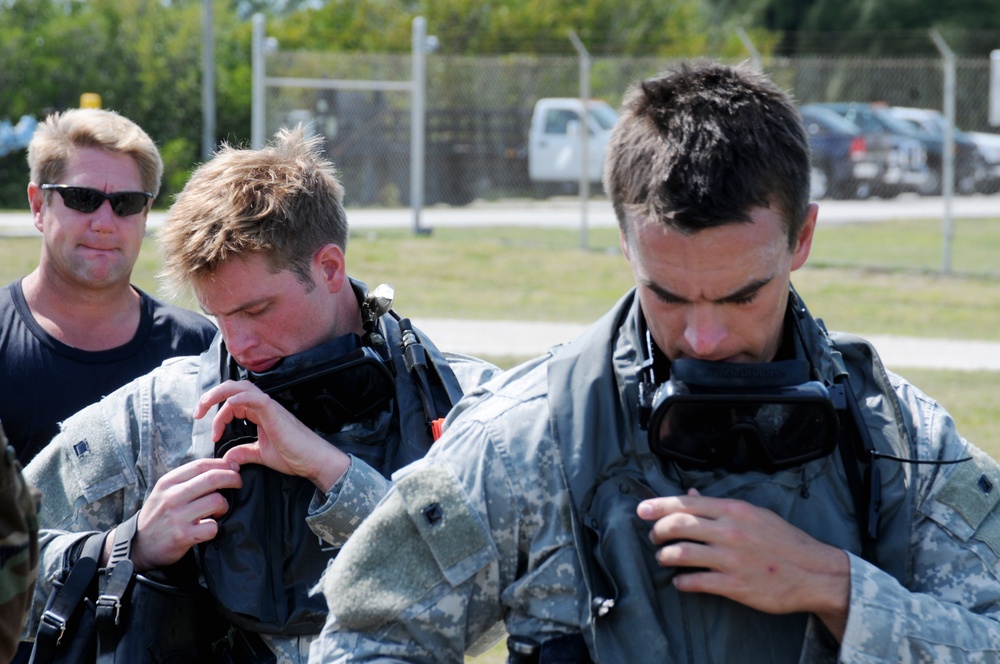
The military trains personnel specifically to swim in hostile environments while carrying weapons and equipment. Combat divers conduct underwater infiltration, reconnaissance, and direct action missions. They use closed-circuit breathing apparatus to avoid producing telltale bubbles. The qualification course is one of the most physically demanding in any military, with attrition rates exceeding 50 percent. Combat divers can approach targets from rivers, lakes, or oceans without detection. The job sounds like it was invented for movies about special operations. It exists because water provides excellent concealment for trained personnel.
5. Mortuary Affairs Specialist
When service members die, someone has to handle the remains with dignity and precision. Mortuary affairs specialists recover, identify, prepare, and transport fallen personnel. They work in conditions that most people could not tolerate. The job requires both emotional resilience and technical skill in forensic identification, preservation, and documentation. These specialists ensure that families receive their loved ones in the best possible condition and that identification is certain. The title sounds clinical because the work requires clinical precision even under emotional circumstances that would devastate most people.
6. SERE Specialist
SERE stands for Survival, Evasion, Resistance, and Escape. SERE specialists teach personnel how to survive in hostile environments, evade capture, resist interrogation if captured, and escape if possible. They run training that simulates the stress of captivity using methods that would be considered harsh in any other context. The specialists are experts in wilderness survival, evasion tactics, and the psychology of resistance. The job title abbreviation obscures what these instructors actually do, which is prepare personnel for situations everyone hopes will never happen.
7. Psychological Operations Specialist
The military employs specialists specifically to influence foreign audiences through carefully crafted messaging. Psychological operations personnel study target populations, develop influence campaigns, and distribute products ranging from leaflets to radio broadcasts. They work to shape perceptions, undermine enemy morale, and support friendly operations without firing weapons. The job title sounds like something from a conspiracy theory. It describes a real military function that has existed in various forms for as long as organized warfare.
8. Combat Cameraman
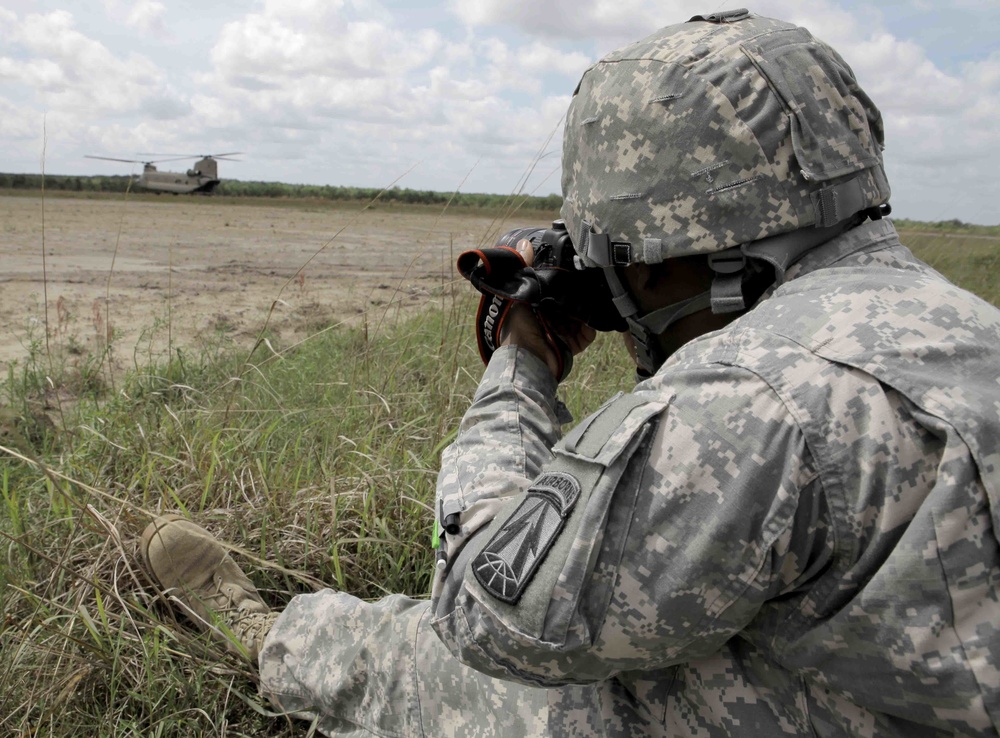
The military has professional photographers and videographers who deploy to combat zones. Combat camera personnel document operations for historical records, public affairs, intelligence analysis, and legal purposes. They carry cameras into the same environments where infantry carry rifles. Their footage becomes evidence, training material, and sometimes public information. The job sounds glamorous until you consider the requirement to focus on composition and exposure while people are shooting at you.
9. Military Bandsman
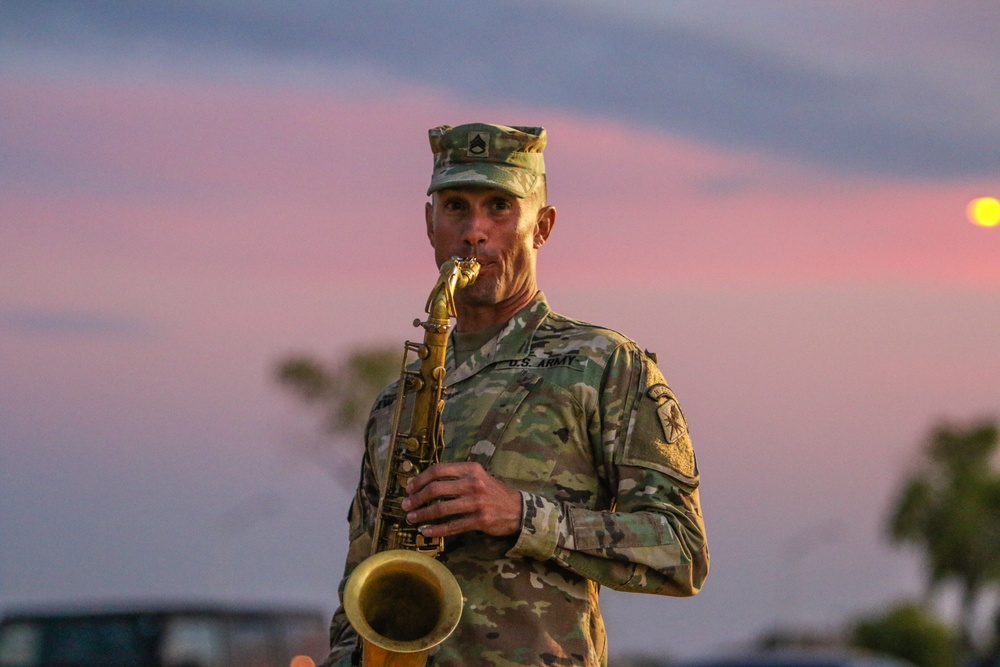
Armed forces employ professional musicians. Military bands perform at ceremonies, official functions, public events, and morale performances for deployed troops. But bandsmen also have combat support functions. In wartime, they often serve as stretcher bearers, security personnel, or in other support roles. The bands themselves serve diplomatic and representational purposes that seem ceremonial but carry real strategic value. When a military band performs at a foreign ceremony, that performance represents an entire nation. The job sounds like something from centuries past. It continues because ceremony and representation remain part of military operations.
10. Weather Forecaster
The military has its own meteorologists because civilian forecasts do not cover remote operating areas and do not focus on the specific weather factors that affect military operations. Military weather forecasters predict conditions that influence flight operations, artillery accuracy, ground mobility, and personnel safety. They deploy with combat units to provide real-time weather intelligence. The forecast for a parachute drop requires different precision than the forecast for a civilian picnic. The job sounds mundane until you understand that weather has decided battles throughout history.
11. Culinary Specialist
The military employs trained chefs. Culinary specialists prepare meals for personnel in garrison, aboard ships, and in field conditions. They manage nutrition requirements, food safety, and the logistics of feeding hundreds or thousands of people. In the Navy, culinary specialists manage complex galley operations that run continuously at sea. The job title sounds fancy for "military cook," but the role involves genuine culinary training, menu planning, and the ability to produce quality food under conditions that would shut down any commercial kitchen. Morale depends partly on food quality, so the job matters more than its title suggests.
12. Nuclear Weapons Technician
Someone has to maintain nuclear weapons. Nuclear weapons technicians perform maintenance, inspections, and handling of the most destructive weapons ever created. They work under intense security, redundant safety procedures, and continuous monitoring. The job requires security clearances that take years to obtain, specialized training in nuclear safety, and the psychological stability to work with weapons that could end civilizations. The job title sounds like something from a dystopian novel. It describes the personnel who keep nuclear deterrence functional.
13. Space Operations Officer
The military operates satellites. Space operations officers manage communications satellites, GPS constellations, missile warning systems, and space surveillance networks. They track debris, coordinate with other nations on orbital safety, and maintain the space-based systems that modern military operations depend upon. The job title sounds like science fiction until you realize that GPS-guided weapons, satellite communications, and space-based reconnaissance are standard military capabilities. Someone has to operate and protect those systems.
14. Cyber Operations Specialist
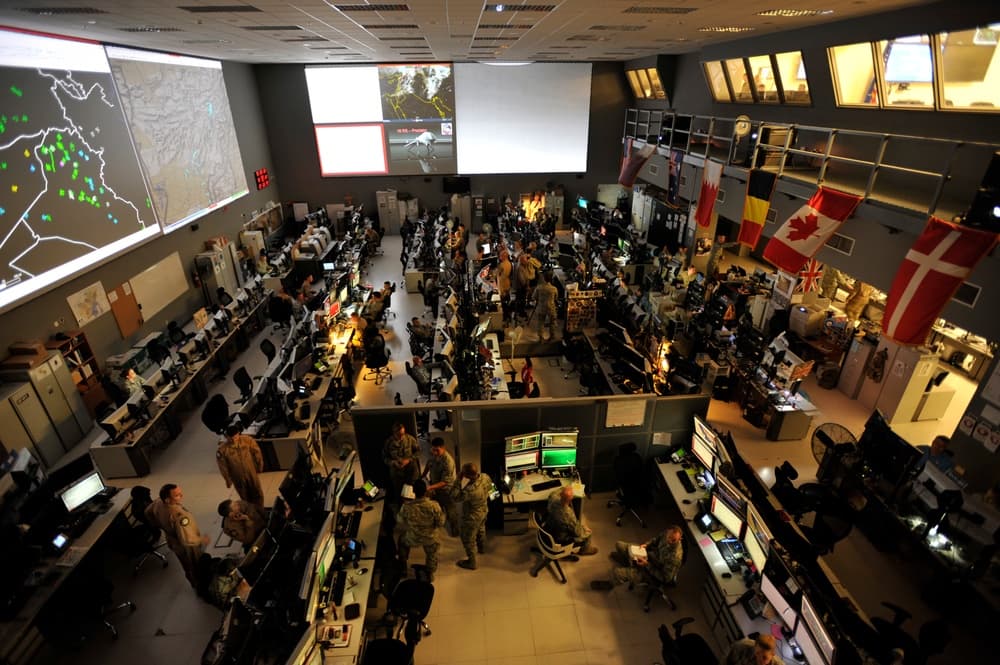
The military has professional hackers. Cyber operations specialists conduct offensive and defensive operations in computer networks. They penetrate adversary systems, protect friendly networks, and develop tools for both purposes. The job title sanitizes activities that include breaking into foreign government systems, disrupting enemy communications, and defending critical infrastructure from attack. These specialists work in facilities that look more like tech company offices than traditional military installations. The job sounds like a video game premise. It describes real operations that occur continuously.

15. Human Intelligence Collector
The military trains personnel specifically to obtain information from people. Human intelligence collectors conduct interviews, interrogations, and debriefings to gather intelligence from sources ranging from cooperative informants to hostile detainees. They study psychology, cultural dynamics, and interview techniques. The job title sounds like a euphemism, and perhaps it is. But the function is essential because documents and electronic signals cannot answer follow-up questions or explain context. Human intelligence remains irreplaceable despite all technological advances.
16. Civil Affairs Specialist
The military employs specialists specifically to work with civilian populations and governments. Civil affairs personnel coordinate with local authorities, manage humanitarian assistance, and help restore governance in conflict zones. They assess civilian infrastructure, identify needs, and connect military resources with civilian requirements. The job sounds like social work in uniform. It exists because military operations occur among civilian populations, and ignoring that reality creates problems that tactical success cannot solve.
17. Religious Program Specialist
Military chaplains have assistants. Religious program specialists support chaplains of all faiths, manage chapel operations, and provide administrative support for religious programming. They set up worship spaces in field conditions, coordinate religious education, and help personnel access spiritual support regardless of their beliefs. The job title sounds odd because it describes support for religious practice in an institution built for warfare. It exists because personnel do not stop having spiritual needs when they put on uniforms.
18. Water Purification Specialist
The military operates its own water treatment systems. Water purification specialists deploy equipment that can turn contaminated water sources into safe drinking water for thousands of personnel. They test water quality, maintain treatment systems, and manage distribution in environments where municipal water does not exist. The job sounds like something from a public works department. It exists because armies cannot fight without clean water, and expeditionary operations rarely occur where tap water is available.
19. Petroleum Supply Specialist
Modern military equipment runs on fuel. Petroleum supply specialists receive, store, and distribute fuel in quantities that would supply entire cities. They operate pipelines, tank farms, and fuel distribution points. They handle multiple types of fuel because aircraft require different fuel than ground vehicles. The job title sounds industrial. It describes personnel who keep tanks, aircraft, and generators running. Without fuel specialists, modern warfare stops within days as equipment runs dry.
20. Preventive Medicine Specialist
The military employs specialists focused on preventing disease and injury before they happen. Preventive medicine specialists survey environments for health hazards, control disease vectors, monitor food and water safety, and implement programs to keep personnel healthy. They deploy ahead of units to assess conditions and recommend protective measures. The job sounds like public health administration. It exists because disease has historically killed more soldiers than combat, and prevention remains cheaper than treatment.
21. Entomologist
The military employs bug scientists. Military entomologists study insects that transmit diseases, damage equipment, or otherwise affect military operations. They identify species, recommend control measures, and develop programs to protect personnel from insect-borne illness. Mosquitoes have stopped more military campaigns than most weapons. The job title sounds like something from a nature documentary. It describes real specialists who combat real threats that wear no uniform and carry no weapons but have defeated armies.
These jobs exist because modern military operations require capabilities that civilian observers rarely consider. Each specialty developed in response to real problems that could not be solved by existing personnel. The titles sound invented because the requirements they address are specific enough to require dedicated specialists.
Military organizations classify and name every function because clear definitions prevent confusion and ensure that critical tasks get completed by trained personnel. The bureaucratic precision that creates odd-sounding job titles also ensures that nothing falls through the cracks. Every function has an owner. Every task has a standard. Every specialist knows exactly what they are responsible for, even when explaining their job to civilians requires more time than the title suggests.