Science fiction has long shaped how we imagine future warfare: laser cannons burning through armor, pilots seeing through their aircraft, and autonomous machines patrolling perimeters. What many people don't realize is that several of these technologies have quietly transitioned from imagination to operational reality. They're not prototypes locked away in research labs or concepts awaiting funding approval - they're fielded systems, used routinely by military personnel who treat them as ordinary tools.
The gap between science fiction and military reality has narrowed dramatically over the past two decades. Technologies that seemed impossibly futuristic during the Gulf War are now standard equipment. The soldiers and sailors using them rarely pause to consider how remarkable these capabilities are - when something works every day, it stops feeling extraordinary. That normalization is itself significant: it suggests how quickly revolutionary technology becomes routine once it proves reliable.
This article examines seven military technologies that sound like they belong in a science fiction film but are already in operational use. For each, we'll explain what it is, where it's deployed, why it initially sounds fantastical, and why the people who use it every day consider it simply part of the job. The goal is not to marvel at technological progress but to understand how capabilities once considered impossible have become mundane - and what that transition reveals about military technology development.
1. Directed-Energy Weapons (Ship-Mounted Lasers)
What it is: A high-energy laser weapon mounted on a naval vessel, capable of engaging and destroying airborne targets, small boats, and drones using concentrated light rather than conventional ammunition.
Where it's used: The U.S. Navy first operationally deployed the Laser Weapon System (LaWS) aboard USS Ponce in the Persian Gulf in 2014. Since then, more advanced systems like the Solid State Laser Technology Maturation (SSL-TM) and High Energy Laser with Integrated Optical-dazzler and Surveillance (HELIOS) have been installed on destroyers and other surface combatants. These weapons are part of the active defensive suite on deployed warships.
Why it sounds like science fiction: Laser weapons have been a staple of science fiction since H.G. Wells. The idea of a beam of light burning through a target in flight - with no ammunition cost per shot, no physical projectile, and the speed of light - seems fantastical. We grew up watching fictional energy weapons and assumed real-world physics would prevent such things.
Why it's mundane to operators: For Navy crews, these systems are just another weapon to maintain and employ. They require power management, optical calibration, and training - the same disciplined approach applied to any shipboard system. The technology works within understood physical principles, and crews focus on reliability and tactics rather than marveling at the concept. When you use something daily to track and engage drones during exercises, the novelty fades quickly.
2. Radar-Invisible Stealth Aircraft
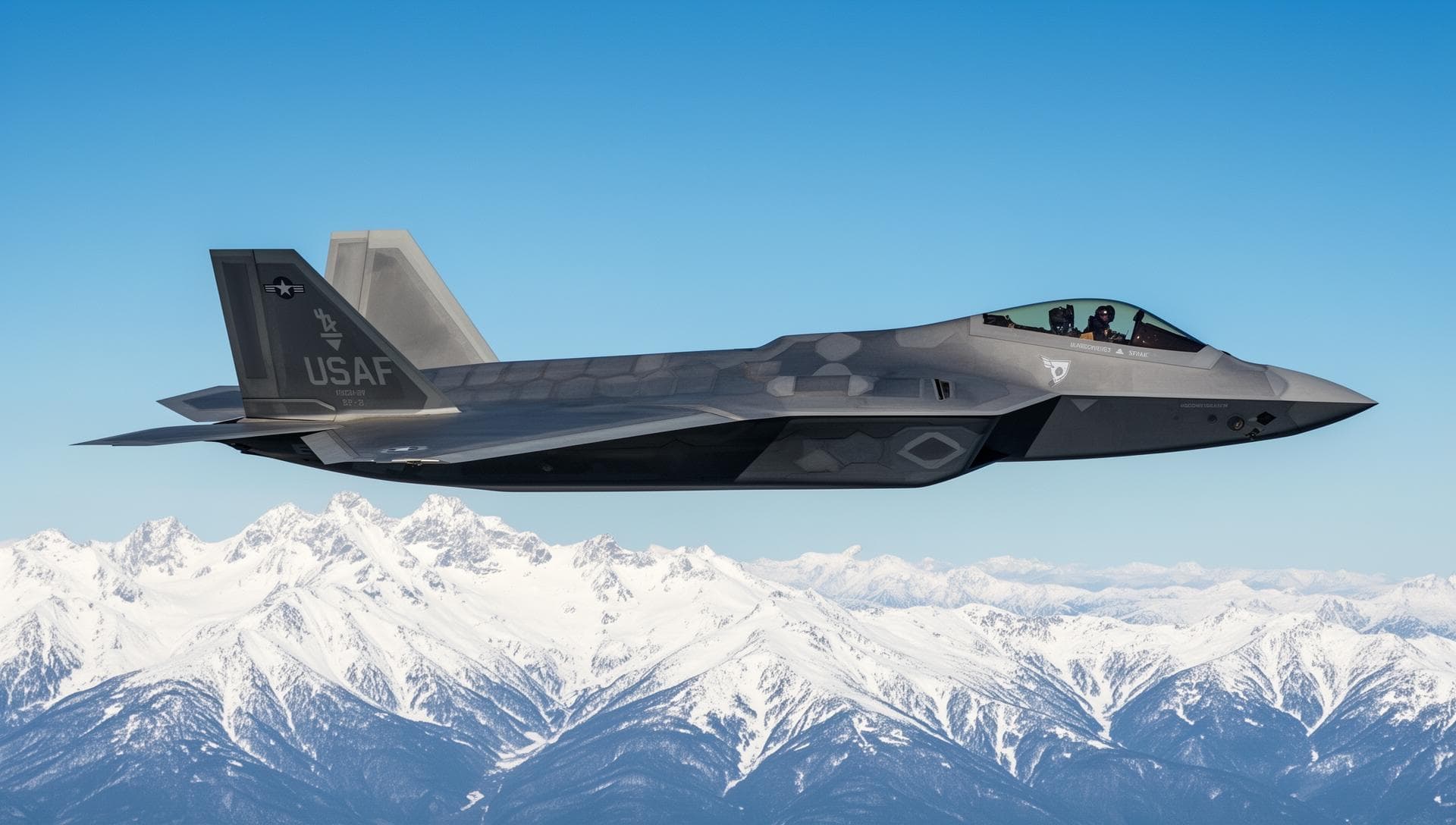
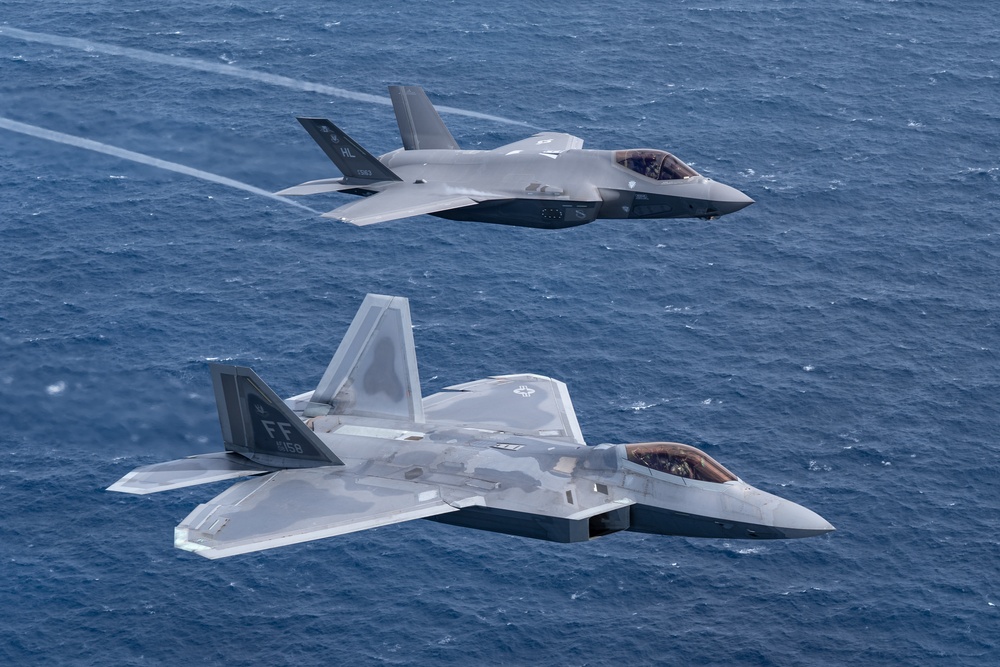
What it is: Fighter aircraft designed with specialized shapes, materials, and coatings that dramatically reduce their radar cross-section, making them appear as small as a bird or marble on enemy radar systems despite being full-sized combat aircraft.
Where it's used: The F-22 Raptor has been operational since 2005, and the F-35 Lightning II entered service with multiple nations starting in 2015. Both aircraft are deployed worldwide - from Alaska to the Middle East to the Indo-Pacific. The F-35 is the most numerous fifth-generation fighter in the world, with over 1,000 delivered to date. B-2 Spirit bombers have conducted combat missions in multiple conflicts since the 1990s.
Why it sounds like science fiction: An aircraft that can approach enemy territory while appearing nearly invisible to radar evokes images of cloaking devices from Star Trek. The concept of bending or absorbing electromagnetic energy to conceal a massive machine seems impossibly advanced. Many science fiction franchises still treat invisibility as a capability reserved for the far future.
Why it's mundane to operators: For pilots and maintainers, stealth is a design characteristic to be preserved and managed, not magic. Ground crews spend hours applying and maintaining radar-absorbent materials. Pilots train on tactics that exploit low observability rather than replace it with recklessness. The aircraft must still be fueled, armed, and flown with the same discipline as any fighter. Stealth is a major advantage, but using it effectively requires extensive training and rigorous procedures - routine work, in the end.
3. Helmet-Mounted Displays That See Through Aircraft
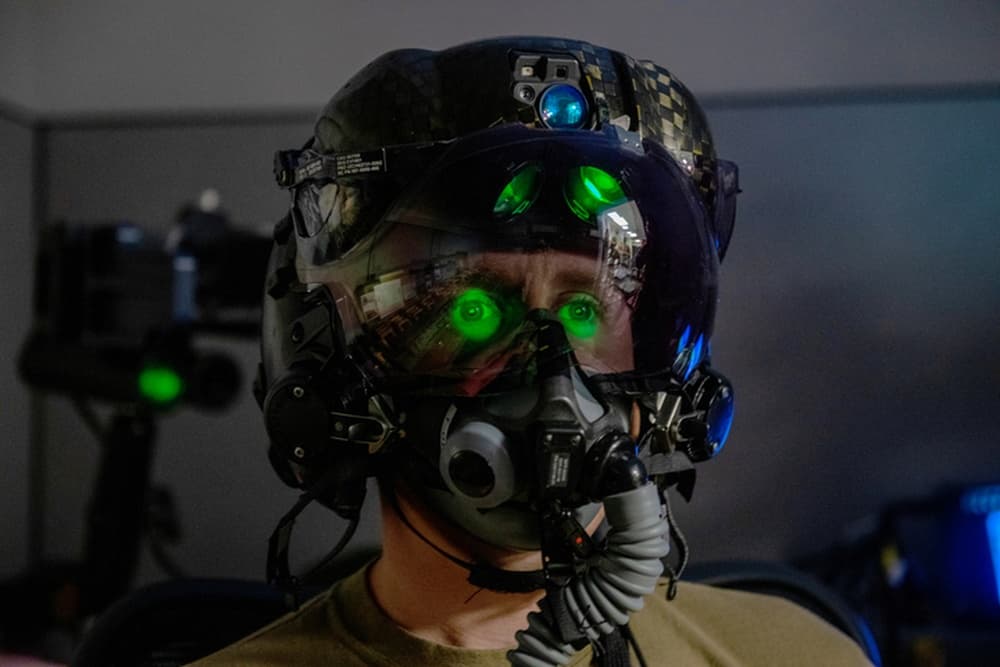
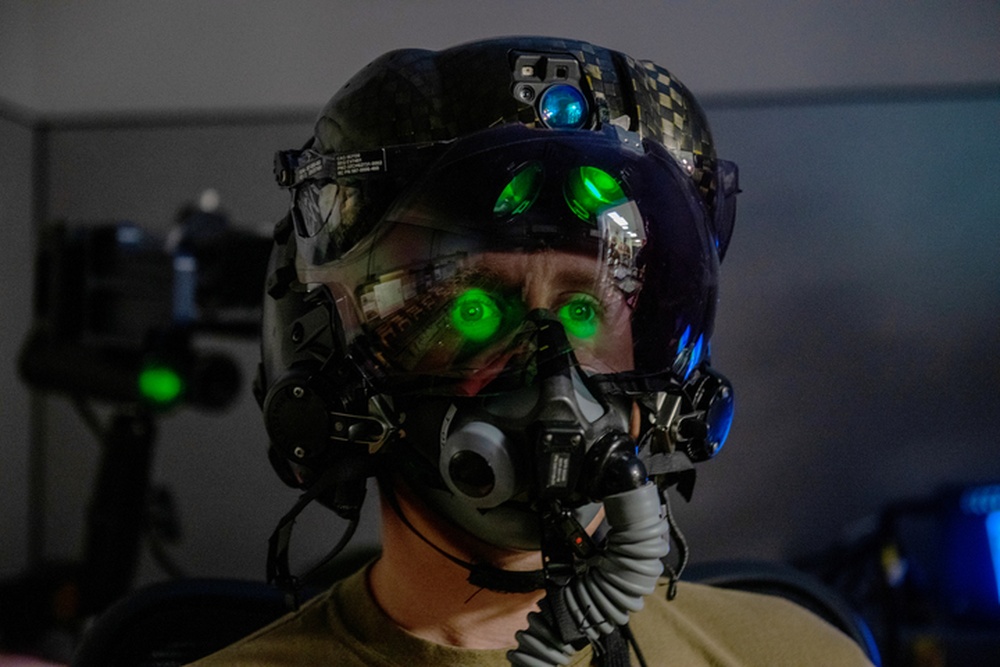
What it is: An advanced helmet system that projects sensor data, targeting information, and real-time imagery from cameras distributed around the aircraft directly onto the pilot's visor, allowing them to literally see through the aircraft structure in any direction.
Where it's used: The F-35 Lightning II's Generation III Helmet-Mounted Display System is standard equipment on all F-35 variants operated by the U.S. Air Force, Navy, Marine Corps, and allied nations. Every F-35 pilot wears one. The helmet costs approximately $400,000 per unit and is custom-fitted to each pilot's head using precision scanning.
Why it sounds like science fiction: A pilot looking down at the cockpit floor and seeing the ground below the aircraft - through the metal and composite structure - sounds like something from Iron Man. The idea of merging a human's visual system with sensor fusion technology to create superhuman awareness seems decades away. Pilots in older aircraft couldn't even see behind or below themselves without mirrors.
Why it's mundane to operators: F-35 pilots train extensively with these helmets and come to rely on them as essential equipment. The system requires proper fitting, calibration, and maintenance. Pilots discuss display issues, symbology preferences, and tracking accuracy the way earlier generations discussed gunsights. The capability is powerful, but its daily use involves troubleshooting, adjustment, and procedural checks - the ordinary work of operating sophisticated equipment.
4. Quadruped Robot Sentries (Robot Dogs)
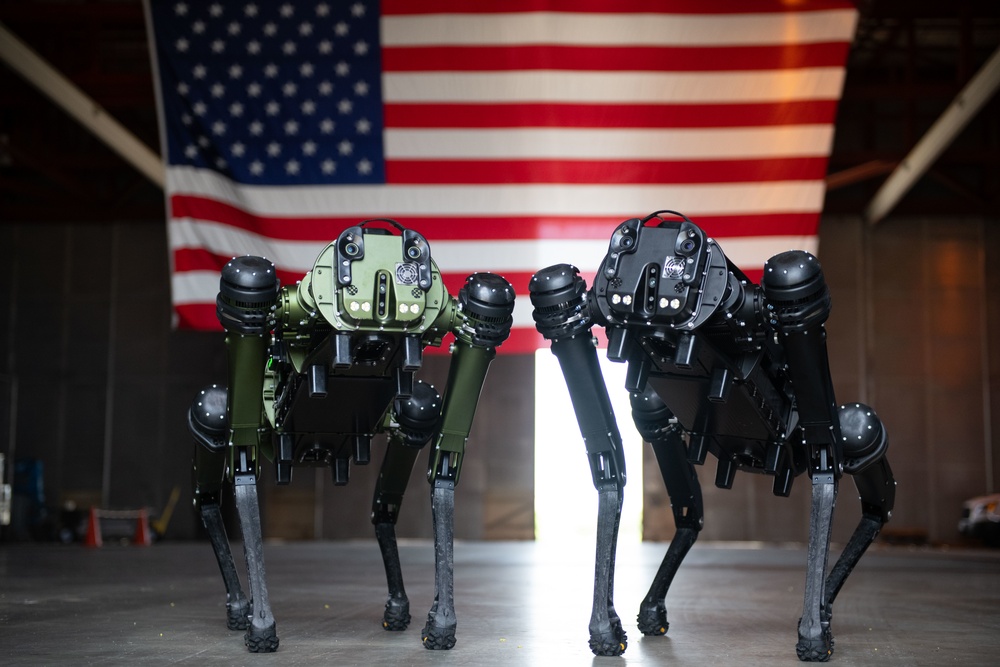
What it is: Autonomous or semi-autonomous four-legged robots capable of patrolling perimeters, navigating rough terrain, carrying equipment, and providing reconnaissance using integrated sensors and cameras.
Where it's used: The Ghost Robotics Vision 60 Q-UGV (Quadruped Unmanned Ground Vehicle) is in use at multiple installations, including Tyndall Air Force Base, Cape Canaveral Space Force Station, and with units from the 82nd Airborne Division. The U.S. Air Force, Army, and Space Force have all evaluated or deployed these systems for base security, perimeter patrol, and reconnaissance in difficult terrain.
Why it sounds like science fiction: Robot dogs patrolling military installations evoke dystopian visions from Black Mirror or Boston Dynamics demonstration videos that seemed more concept than reality. The idea of machines autonomously moving through an environment, navigating obstacles, and conducting security functions feels like a technology that should still be years away from practical deployment.
Why it's mundane to operators: For security forces personnel, these robots are tools that reduce the workload of repetitive patrol duties. They require charging, sensor calibration, route programming, and supervision - standard tasks for any piece of military equipment. When a robot dog encounters a mud puddle or rocky terrain, it has limitations just like any other platform. Users quickly learn its capabilities and constraints, treating it as a force multiplier rather than a marvel.
5. GPS-Guided Munitions That Hit Within Meters
What it is: Bombs and missiles equipped with satellite navigation receivers that guide them to targets with accuracies measured in single-digit meters, regardless of weather, visibility, or release altitude.
Where it's used: Joint Direct Attack Munitions (JDAMs) have been standard Air Force and Navy weapons since the late 1990s. Over 500,000 JDAM kits have been produced, converting conventional bombs into precision weapons. They've been used in virtually every U.S. combat operation since Kosovo. Similar technology exists in Army and Marine Corps artillery shells like Excalibur.
Why it sounds like science fiction: In older wars, bombers released hundreds of munitions hoping some would hit the target. The idea that a single bomb dropped from 30,000 feet could hit a specific building - or even a specific part of a building - seemed impossible. Science fiction imagined laser-guided missiles, but the reality of consistent, all-weather precision from GPS guidance exceeded those expectations.
Why it's mundane to operators: Weapons loaders, pilots, and targeting specialists treat JDAMs as standard inventory. Coordinates are programmed, the weapon is loaded, release parameters are calculated, and the bomb is dropped. The process is procedural and routine. When precision munitions work correctly thousands of times, the extraordinary accuracy becomes expected rather than remarkable. The technology has been reliable for so long that anything less than meter-level precision would be considered a failure.
6. Augmented-Reality Night Vision That Connects to Weapons
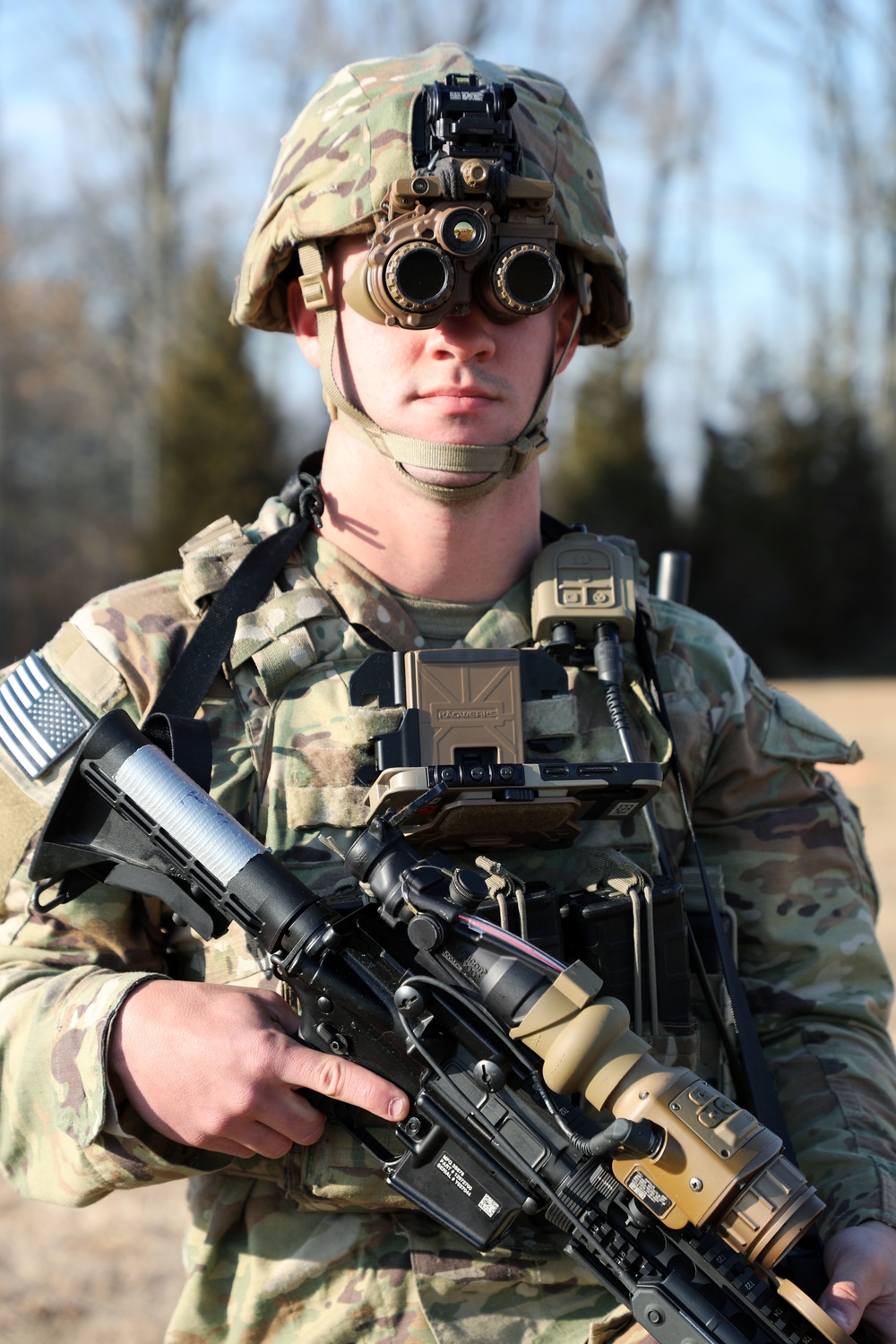
What it is: Advanced night-vision goggles that fuse image intensification with thermal imaging, display digital overlays, and wirelessly connect to weapon-mounted sights, allowing soldiers to aim and fire around corners without exposing themselves.
Where it's used: The Enhanced Night Vision Goggle-Binocular (ENVG-B) is being fielded to U.S. Army infantry units, with the 1st Infantry Division among the first to receive them. The system works with the Family of Weapons Sight-Individual (FWS-I), projecting the weapon's aiming point directly into the soldier's night-vision display. Soldiers can see the same thermal picture on their goggles whether looking at the world or down their rifle sights.
Why it sounds like science fiction: The combination of thermal imaging, digital augmentation, and wireless integration with a rifle sight sounds like equipment from a video game or science fiction film. Being able to aim a weapon around a corner - seeing the target through walls of darkness - evokes cybernetic enhancement or military exoskeletons from future-war fiction.
Why it's mundane to operators: Infantry soldiers train extensively with these systems, learning their weight, battery life, and failure modes. They practice connecting the goggles to weapon sights, adjusting settings for different lighting conditions, and maintaining the equipment in field conditions. The technology offers significant tactical advantages, but using it effectively requires practice, discipline, and attention to the same fundamentals that governed earlier night-vision equipment.
7. Sensor Fusion That Gives Pilots God's-Eye Situational Awareness
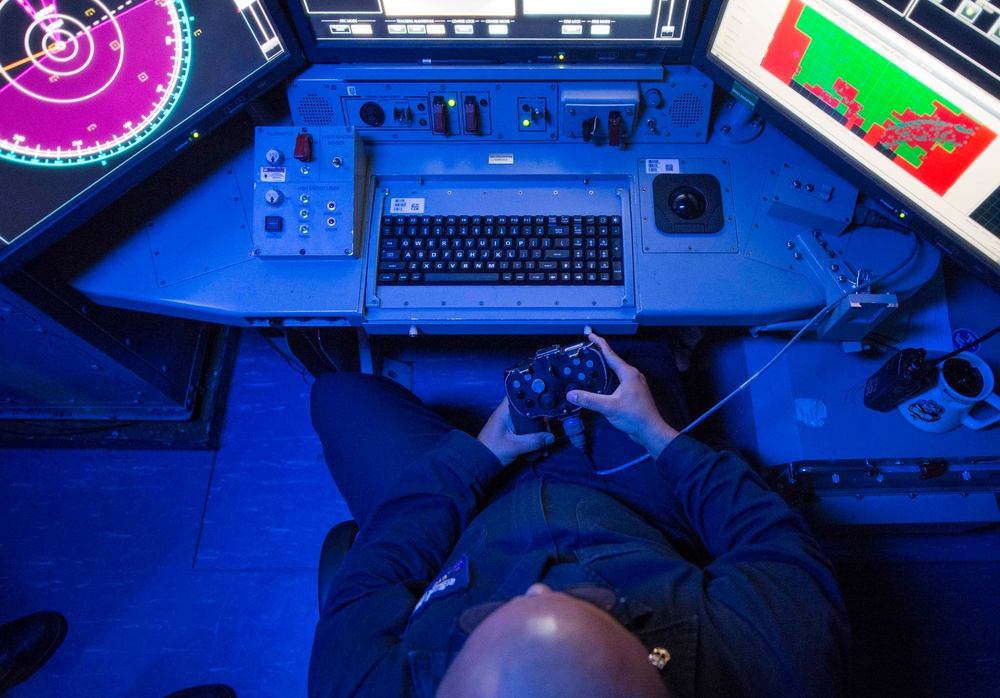
What it is: A software and hardware architecture that automatically correlates data from multiple sensors - radar, infrared search and track, electronic warfare systems, and data links from other aircraft - into a single unified picture displayed to the pilot without requiring manual integration.
Where it's used: The F-35 Lightning II's sensor fusion architecture is the most advanced operational example. Every F-35 automatically combines data from its APG-81 AESA radar, Distributed Aperture System cameras, Electro-Optical Targeting System, and off-board sources into a single coherent display. Pilots see a synthesized tactical picture rather than raw sensor outputs. The F-22 and advanced fourth-generation upgrades incorporate similar principles at varying levels of integration.
Why it sounds like science fiction: The idea of an aircraft automatically understanding its environment - knowing where threats are, where friendly forces are, and what's happening beyond the pilot's own sensors - evokes AI-controlled fighter jets from near-future fiction. Earlier generations of pilots had to mentally integrate data from multiple displays, an exhausting cognitive task. A machine that does this automatically seems impossibly smart.
Why it's mundane to operators: For F-35 pilots, sensor fusion is simply how the aircraft works. They train on the integrated display from day one and don't experience the cognitive load of manually correlating sensor data because they've never had to. Issues arise with software updates, display glitches, and data-link connectivity - the practical concerns of any complex system. The capability is revolutionary compared to legacy aircraft, but pilots experience it as normal. They focus on tactics and decision-making, trusting the machine to present accurate information.
Why Futuristic Technology Becomes Ordinary
The pattern across all seven technologies is consistent: capabilities that once seemed impossible have become routine through incremental development, extensive testing, and operational integration. The transition from science fiction to field equipment follows a predictable arc. Research demonstrates feasibility, prototypes prove concepts, testing identifies problems, refinement addresses them, and eventually the technology enters service. Once personnel train on it daily, the extraordinary becomes expected.
This normalization has implications for how we think about military technology. The lag between public perception and operational reality can be substantial. Technologies that seem futuristic to civilians may already be standard equipment for military personnel. The soldiers, sailors, and airmen using these systems don't consider them remarkable - they consider them tools with specific capabilities and limitations that must be understood, maintained, and employed correctly.
The pace of this normalization is accelerating. Technologies that took decades to transition from concept to field deployment now move faster as development processes improve and enabling technologies mature. What sounds like science fiction today may be routine equipment within a few years, used by personnel who never knew anything different.
Perhaps the most striking aspect of these seven technologies is not that they exist, but that their existence no longer surprises the people who use them. That ordinariness - the transformation of wonder into work - is the true measure of technological revolution.
Frequently Asked Questions
Yes. The U.S. Navy has deployed laser weapons operationally since 2014, when the Laser Weapon System (LaWS) was installed on USS Ponce. These systems are now in service on multiple vessels and are used for defensive purposes against drones and small boats. The technology has proven reliable enough for routine operational use in contested environments.
Are directed-energy weapons (lasers) actually deployed on military platforms?
Yes. The U.S. Navy has deployed laser weapons operationally since 2014, when the Laser Weapon System (LaWS) was installed on USS Ponce. These systems are now in service on multiple vessels and are used for defensive purposes against drones and small boats. The technology has proven reliable enough for routine operational use in contested environments.
How do stealth aircraft actually avoid detection?
Stealth aircraft like the F-22 and F-35 use a combination of radar-absorbing materials, carefully designed angles that deflect radar waves, and engine designs that minimize heat signatures. They're not invisible - they just appear much smaller on radar than their actual size. A large fighter might present a radar signature similar to a small bird, making detection and tracking extremely difficult.
What is the F-35 helmet's see-through capability?
The F-35's Generation III Helmet-Mounted Display projects sensor imagery directly onto the pilot's visor, allowing them to "see through" the aircraft using distributed cameras mounted around the airframe. Pilots can look down at the floor and see the ground below the aircraft in real-time, or look behind them to see threats approaching from the rear hemisphere.
Are robot dogs actually used by the military?
Yes. Quadruped unmanned ground vehicles like the Ghost Robotics Vision 60 are being evaluated and used by multiple branches of the U.S. military for reconnaissance, perimeter security, and carrying equipment in difficult terrain. They're deployed at several installations and have been tested by units ranging from base security forces to airborne infantry.
How far has military night vision advanced beyond green-tinted images?
Modern systems like the Enhanced Night Vision Goggle-Binocular (ENVG-B) combine image intensification with thermal imaging and can wirelessly connect to weapon sights, allowing soldiers to aim around corners. The imagery is far more detailed than legacy green-phosphor displays, with digital overlays providing tactical information and the ability to see through complete darkness using thermal sensors.