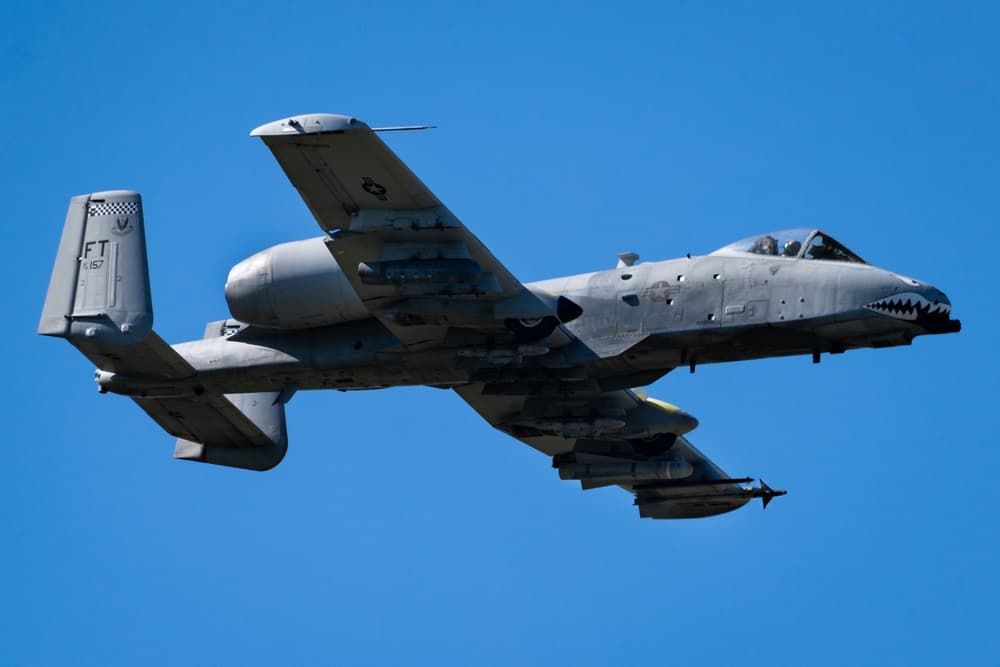
The A-10 Thunderbolt II should not exist anymore. By any conventional measure of military aviation, this aircraft, designed in the early 1970s to destroy Soviet tank columns in a European war that never happened, should have been retired years ago. The Air Force has tried to retire it repeatedly. Defense analysts have questioned its relevance. Newer aircraft with advanced sensors, stealth capabilities, and precision weapons have entered service, promising to do everything the A-10 does and more.
And yet the Warthog persists. Not through nostalgia or bureaucratic inertia, though both play their parts, but because the aircraft does something that has proven remarkably difficult to replicate. The A-10 was designed from the ground up for close air support (providing firepower in direct coordination with ground forces engaged with the enemy), and half a century of operational experience has demonstrated that this mission demands capabilities that general-purpose combat aircraft struggle to match.
Understanding why the A-10 refuses to die requires looking beyond the aircraft itself to the mission it was built to perform. Close air support is not simply dropping bombs near friendly troops. It is a complex, demanding form of air-ground integration that places specific requirements on aircraft, pilots, and procedures. These requirements explain both the A-10's continued relevance and the difficulty of replacing it with a single alternative platform.
This article examines the A-10's persistence through the lens of mission reality rather than mythology. It acknowledges both the aircraft's genuine capabilities and its real limitations. It explains why modern aircraft, including the F-35, which represents a generational leap in aviation technology, cannot simply take over the A-10's role without tradeoffs. And it explores what "replacing the A-10" actually means in practice: not swapping one aircraft for another, but redistributing a mission across multiple platforms and accepting that some capabilities may be lost in the transition.
For those interested in how aircraft platforms evolve alongside mission requirements, the comparison between the F-15 and F-35 illustrates similar dynamics in the air superiority mission. The A-10's story adds another dimension: what happens when an aircraft becomes so specialized for its mission that replacing it proves more complex than simply fielding a more advanced successor.
What the A-10 Was Actually Designed to Do
The A-10 emerged from a specific historical moment. In the late 1960s, the U.S. Air Force faced a problem: how to stop a massive Soviet armored assault through the Fulda Gap in central Germany. Intelligence estimates suggested the Warsaw Pact could field thousands of tanks in an initial attack. NATO ground forces would be outnumbered. Air power would need to destroy armor faster than the Soviets could advance.
This operational requirement shaped the A-10's design in ways that continue to define its capabilities. The aircraft was not conceived as a general-purpose fighter or a multi-role platform. It was designed to do one thing exceptionally well: kill tanks in close proximity to friendly forces, survive the ground fire it would inevitably face, and do so repeatedly across multiple sorties per day.
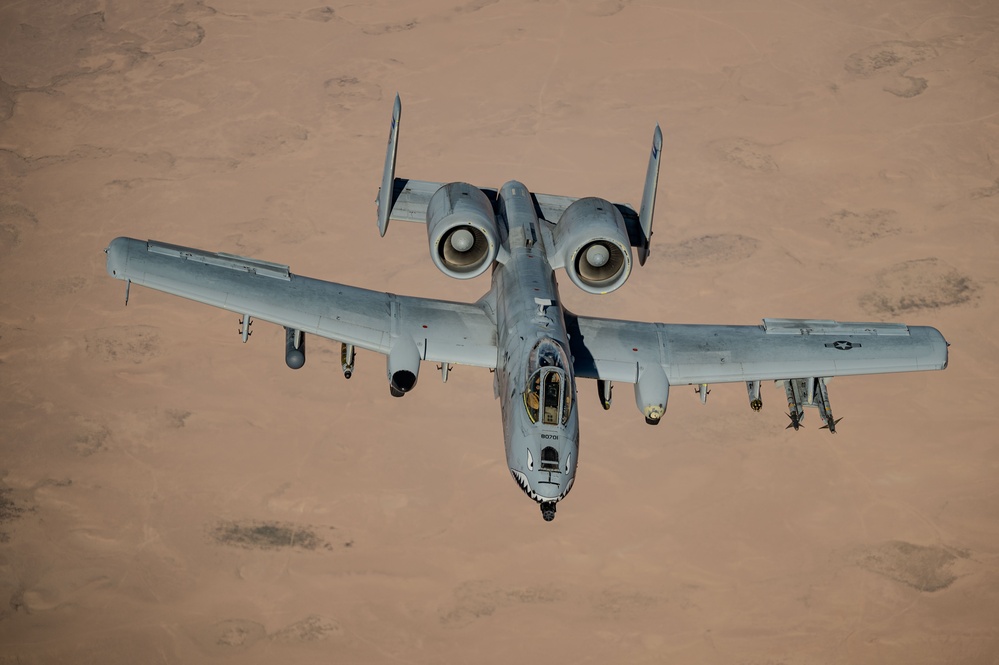
Close air support as a mission imposes constraints that differ fundamentally from other forms of air attack. When aircraft operate in close proximity to friendly ground forces, sometimes within hundreds of meters, the margin for error shrinks dramatically. Precision becomes essential not just for effectiveness but for survival of the troops being supported. This proximity requirement drives everything else about how close air support is conducted.
The A-10 was designed to operate in this environment through a combination of characteristics: slow speed for target identification and weapon accuracy; long loiter time to remain overhead while the ground situation developed; robust communications for coordination with forward air controllers and ground units; and survivability features that would allow it to take hits and continue fighting. These characteristics were not arbitrary; they reflected what close air support demanded.
Understanding the A-10 as a "tank killer" captures only part of this picture. While destroying armor was the original driving requirement, the underlying mission of supporting ground forces in contact with the enemy encompasses far more than attacking vehicles. It includes suppressing enemy positions, providing armed overwatch, demonstrating presence to influence enemy behavior, and conducting shows of force. The common thread is close coordination with troops on the ground, not a specific type of target.
This mission focus explains why the A-10 has proven difficult to replace. Any successor must satisfy the same operational requirements: the ability to find targets in close proximity to friendly forces, the judgment to distinguish friend from enemy, the patience to loiter while the situation develops, and the survivability to operate in the threat environment that close air support inevitably involves. These requirements form a package that has proven challenging to replicate.
Why Close Air Support Is Hard to Replace
The difficulty of replacing the A-10 stems from the inherent challenges of close air support itself. This mission places demands on aircraft and pilots that differ fundamentally from other forms of aerial attack. Understanding these demands explains why platforms optimized for other missions struggle to match the A-10's effectiveness in this specific role.
Low-altitude operations represent the first major constraint. Close air support frequently requires operating at altitudes measured in hundreds or low thousands of feet, close enough to visually identify targets, maintain communication with ground controllers, and deliver weapons with the precision that proximity to friendly forces demands. Aircraft optimized for high-altitude operations, where they remain outside the envelope of most ground-based threats, sacrifice some of this capability.
Time on station, or loiter capability, matters enormously in close air support. Ground combat situations develop over hours, not minutes. A close air support aircraft that arrives, makes a single pass, and must immediately return to base due to fuel limitations provides fundamentally different support than one that can remain overhead for an extended period, responding to developing situations and multiple target opportunities. The A-10's fuel efficiency and straightforward design give it loiter times that faster, more complex aircraft struggle to match.
Communication and coordination create another challenge. Close air support requires continuous, reliable communication between aircraft and ground forces. The pilot must understand the ground situation, receive target information and clearances, and coordinate weapon delivery in real time. This communication happens under stress, often through multiple intermediaries, and must occur while the pilot simultaneously flies the aircraft, manages weapons systems, and monitors threats. Effective close air support pilots develop specialized skills in this coordination that go beyond basic aviation training.
Human judgment under uncertainty proves particularly important. Close air support frequently involves situations where targets are not clearly marked, where the enemy deliberately operates near civilians or friendly forces, and where the consequences of error include killing the very troops the pilot is trying to protect. Sensors and precision weapons help, but they do not eliminate the need for human judgment about when to shoot and when to hold fire. The A-10's operating environment (slow, low, and close) supports this judgment in ways that faster, higher aircraft cannot fully replicate.
Survivability in the close air support environment differs from survivability in other contexts. High-altitude, high-speed aircraft avoid threats by staying out of range or moving too fast to track. Close air support aircraft, by definition, operate within the threat envelope. They will be shot at. The question is not whether they can avoid ground fire but whether they can survive it and continue the mission. This reality drove the A-10's design philosophy and continues to shape what its replacement must offer.
The A-10 Design Philosophy
The A-10's designers approached survivability not through avoidance but through tolerance. Recognizing that close air support aircraft would inevitably be hit by ground fire, they designed an aircraft that could absorb damage and continue flying. This philosophy pervades every aspect of the Warthog's construction and explains much of its distinctive character.
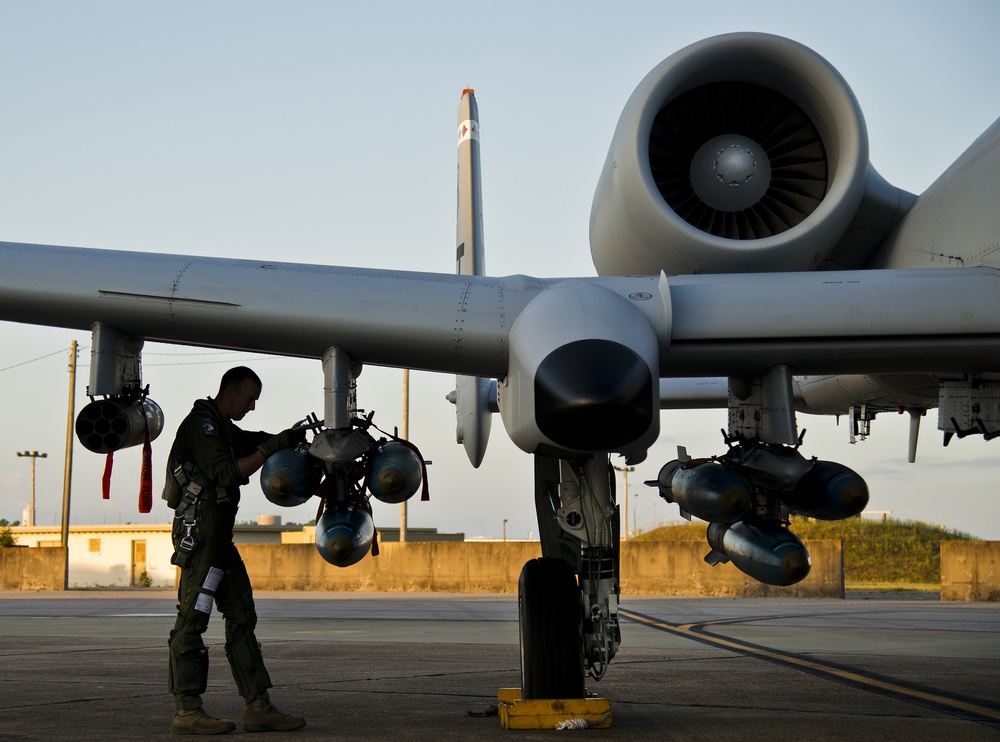
Redundancy represents the core principle. The A-10 features two engines, widely separated to reduce the probability that a single hit will disable both. Either engine can fly the aircraft home alone. The flight control system is dual-redundant, with manual backup if hydraulics fail. Fuel tanks are self-sealing and filled with reticulated polyurethane foam to prevent explosion. Critical components are duplicated throughout the airframe.
The pilot sits in a titanium "bathtub," 1,200 pounds of armor that protects against 23mm anti-aircraft fire. The cockpit windscreen is designed to withstand direct hits from small-arms fire. These features accept weight penalties that reduce performance in other areas because the designers understood that protecting the pilot mattered more in the close air support mission than maximum speed or climb rate.
Simplicity complements redundancy. The A-10's systems are deliberately straightforward compared to more advanced aircraft. This simplicity serves multiple purposes: it makes the aircraft easier to maintain in austere conditions; it reduces the number of potential failure points; and it allows pilots to focus on the mission rather than managing complex systems. The A-10 was designed to operate from damaged runways, forward airstrips, and expeditionary bases with limited support equipment.
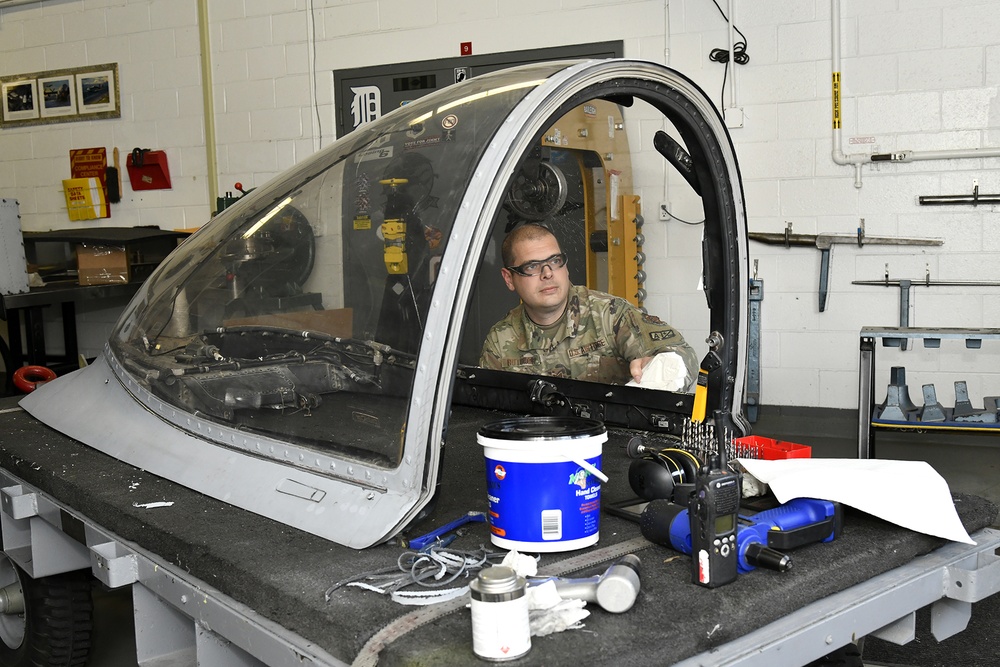
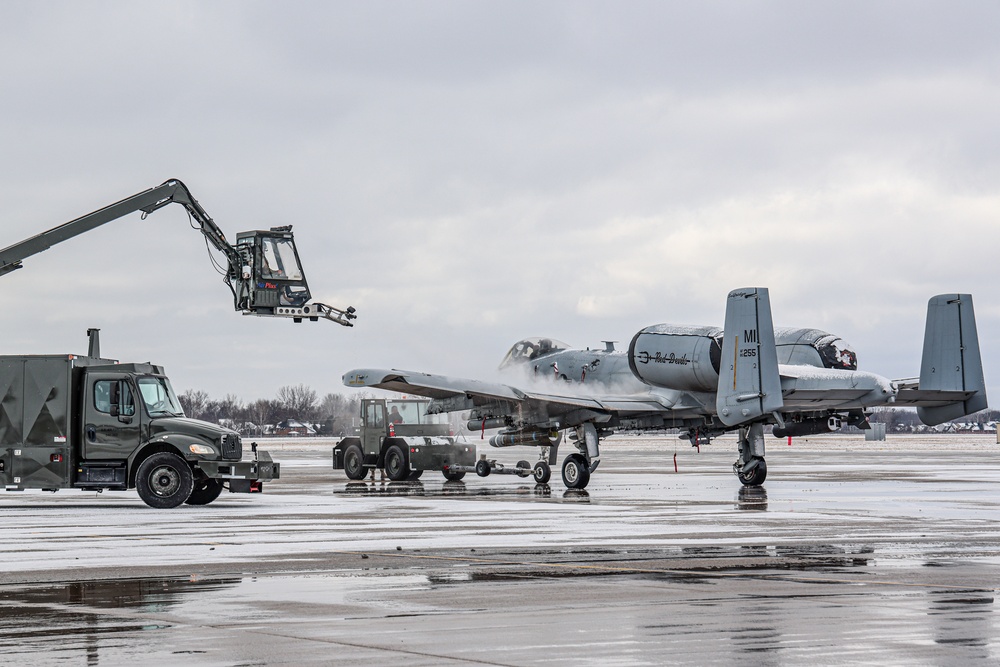
Maintainability was designed in from the start. Major components can be accessed quickly. Many parts are interchangeable between left and right sides of the aircraft. Ground crews can turn aircraft around rapidly between sorties, maximizing the number of missions flown per day. This high sortie generation rate matters in close air support, where persistent presence requires aircraft to cycle continuously.
The A-10's design philosophy reflects its mission, not technological limitations of its era. The designers could have built a faster, more sophisticated aircraft. They chose instead to build one optimized for surviving and succeeding in the specific environment of close air support. This deliberate choice explains why more advanced aircraft, designed with different philosophies for different missions, cannot simply take over the A-10's role without accepting tradeoffs.
The GAU-8: Myth vs Reality
No discussion of the A-10 can avoid the GAU-8/A Avenger cannon. This 30mm, seven-barrel rotary gun has achieved iconic status, inspiring countless memes and forming the centerpiece of popular understanding of the aircraft. Internet mythology credits the gun with near-magical capabilities. Reality is more nuanced, and more interesting.
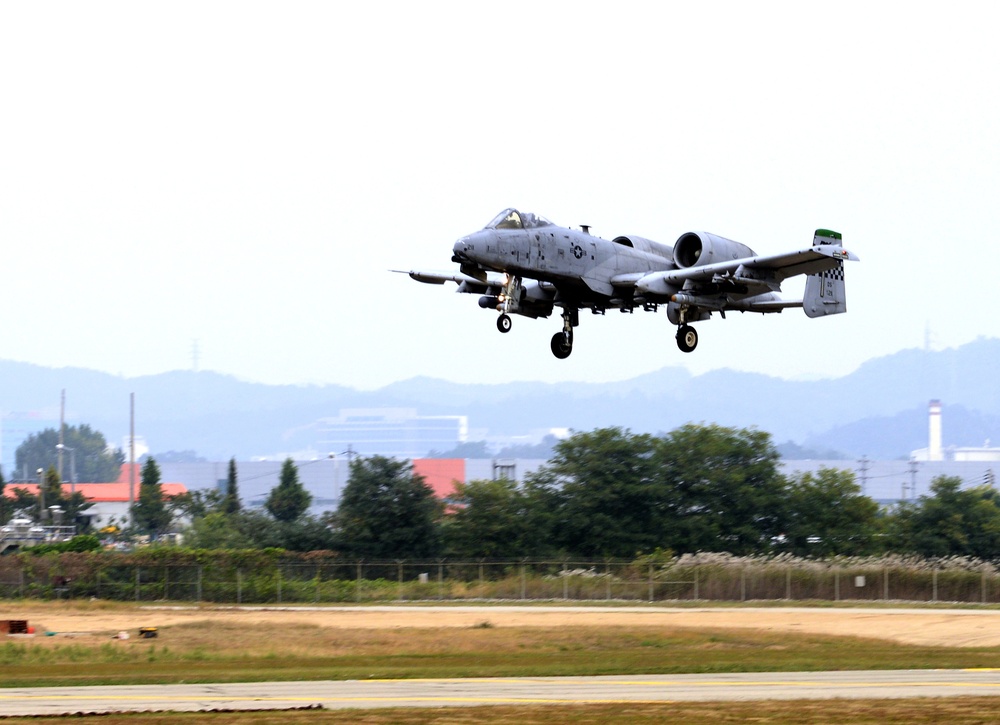
The GAU-8 is genuinely impressive. It fires 30mm rounds at rates up to 3,900 rounds per minute. The depleted uranium armor-piercing rounds can penetrate the top armor of most armored vehicles. The gun itself weighs over 600 pounds; with its ammunition drum, the system exceeds 4,000 pounds. The aircraft was literally designed around the gun: the nose landing gear is offset to accommodate it, and the firing port is positioned below and slightly to the left of the centerline.
The effectiveness of the gun in the anti-armor role was real but often overstated. Against Soviet-era tanks of the 1970s and 1980s, the GAU-8's armor-piercing rounds could achieve kills, particularly against the thinner top armor of vehicles viewed from above. Against more modern tanks with improved armor, effectiveness decreases. The gun remains highly effective against lighter armored vehicles, trucks, fortifications, and personnel.
What the mythology misses is that the gun represents only one element of the A-10's capability. Modern A-10s employ the full range of precision-guided munitions: GPS-guided bombs, laser-guided bombs, Maverick missiles, and other weapons that allow engagement at standoff distances without requiring strafing runs that expose the aircraft to ground fire. Many close air support missions today are conducted primarily with guided weapons, using the gun as a secondary or last-resort option.
The gun's real value lies in the combination it enables: a weapon that requires no external support (no laser designation from the ground, no GPS coordinates), that can be employed rapidly in fluid situations, that is highly accurate in the hands of a skilled pilot, and that provides the distinctive sound signature that has become synonymous with American close air support. Ground forces recognize the A-10's gun runs, and so do their enemies.
Focusing exclusively on the gun misses the larger point about the A-10. The aircraft's value comes from its overall optimization for close air support: the loiter time, the survivability, the communication capabilities, the pilot training and culture. The gun contributes to this package but does not define it. An aircraft with the GAU-8 but lacking the A-10's other characteristics would not replicate its effectiveness.
Survivability Without Invincibility
The A-10's reputation for survivability sometimes extends into claims of near-invincibility. Stories of aircraft returning with massive battle damage feed this perception. Reality requires a more careful assessment: the A-10 is designed to survive damage that would destroy other aircraft, but it is not immune to destruction.
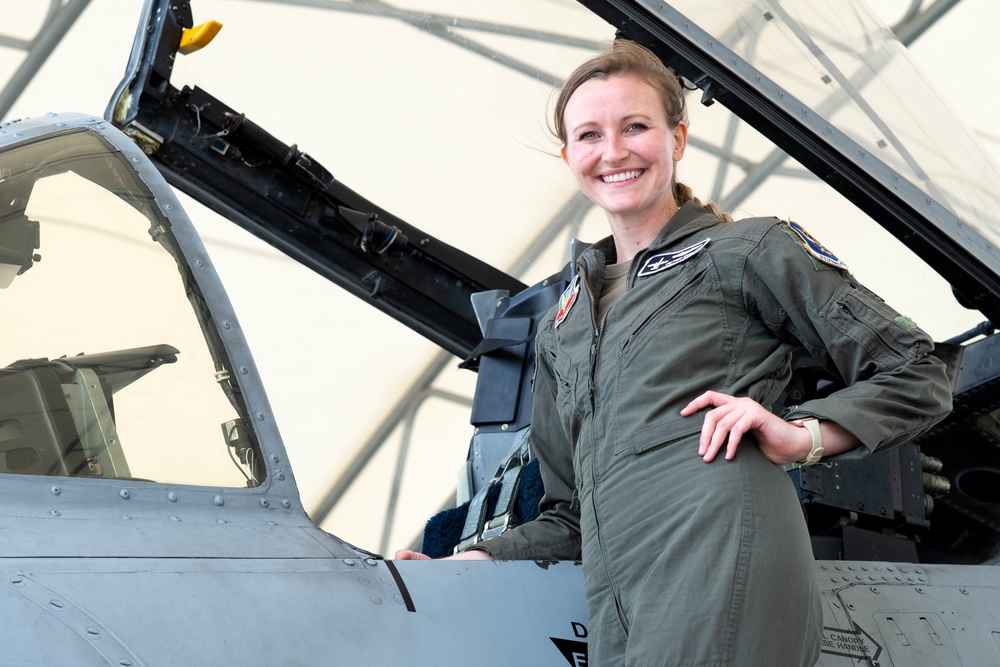
The survivability features discussed earlier (titanium armor, redundant systems, self-sealing tanks) were designed against specific threats: primarily anti-aircraft artillery and man-portable surface-to-air missiles of the Soviet era. Against these threats, the A-10's design works as intended. Aircraft have returned with extensive damage, missing portions of control surfaces, with one engine destroyed, and with hundreds of holes in the airframe.
Modern integrated air defense systems present different challenges. Radar-guided missiles with larger warheads, networked fire control that can predict aircraft movements, and engagement ranges that extend beyond where the A-10 wants to operate all stress the survivability model. The A-10 was never designed to survive hits from SA-6 or SA-11 type systems; it was designed to operate in environments where those systems had been suppressed or destroyed.
Tactics play an equally important role in survivability. A-10 pilots employ terrain masking, jinking, unpredictable flight paths, and coordinated employment with other assets. They work with suppression of enemy air defenses missions to reduce threats before entering engagement zones. Survivability in practice combines the aircraft's design features with how it is employed, and flying predictable patterns into known air defense environments exceeds the aircraft's design tolerances.
This distinction matters for understanding the A-10's role. In permissive environments, where air defenses have been degraded or don't exist, the A-10's survivability features allow it to operate aggressively in the close air support role. In contested environments with modern air defenses, those same features may be insufficient. This reality shapes where and how the A-10 can be employed, and informs discussions of what its eventual replacement must offer.
The survivability equation also includes mission generation. An aircraft that can take damage and return to fight again generates more sorties than one lost to a single hit. Even minor damage that would mission-kill a more fragile aircraft may not prevent an A-10 from completing its mission and returning to base. This cumulative survivability, across a campaign rather than a single engagement, represents part of the A-10's value proposition.
What Modern Aircraft Do Better Than the A-10
An honest assessment of the A-10's future requires acknowledging where modern aircraft genuinely exceed its capabilities. The Warthog's persistence is not because it outperforms everything else in every dimension; it persists because it excels in specific dimensions that others struggle to match, while accepting limitations elsewhere.
Speed and survivability in contested airspace represent the most significant areas where modern aircraft surpass the A-10. The F-22 and other fifth-generation fighters can operate in environments where the A-10 would face unacceptable losses. Their speed allows them to transit threat areas quickly; their stealth reduces the probability of detection; their advanced electronic warfare systems can defeat or deceive threats. The A-10 offers none of these capabilities.
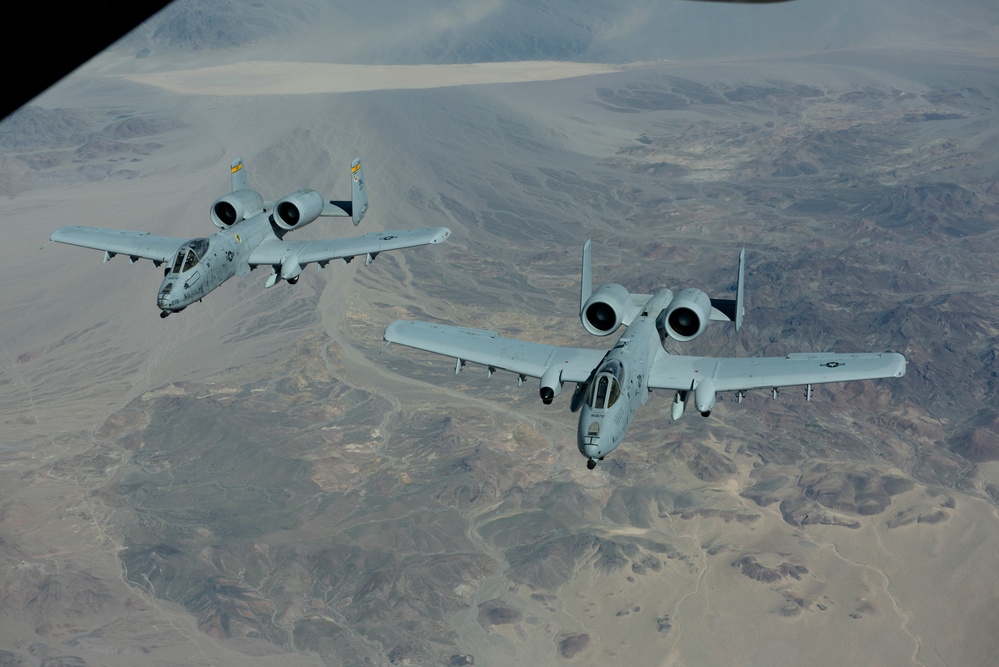
Sensor capabilities represent another significant gap. Modern aircraft carry advanced radar, electro-optical systems, and targeting pods that can identify and engage targets at ranges far beyond what the A-10 can match. They can operate at night and in adverse weather with capabilities that the A-10, even after upgrades, cannot replicate. These sensors enable precision engagement from standoff ranges that keep the aircraft outside many threat envelopes.
Precision weapon delivery from altitude offers a different approach to close air support. Modern aircraft can release GPS or laser-guided weapons from high altitude, guided by targeting information from ground controllers, other aircraft, or their own sensors. This delivery method keeps the aircraft safe from ground fire while still providing firepower to support troops in contact. The A-10 can employ these weapons too, but doing so negates many of its design advantages.
Integration into networked operations favors modern platforms. Fifth-generation aircraft can share targeting data, fuse sensor information, and coordinate engagements across multiple platforms in ways that older designs cannot match. This integration enables distributed operations where the aircraft detecting a target may not be the one engaging it. The A-10's avionics, while upgraded, remain less capable in this regard.
These advantages are real and significant. They explain why the Air Force has repeatedly sought to retire the A-10 - the resources devoted to maintaining the Warthog fleet could fund aircraft that excel in these areas. The question is whether these advantages fully compensate for what the A-10 provides that modern aircraft do not.
What Modern Aircraft Still Struggle to Replace
Despite their advanced capabilities, modern multi-role aircraft have not fully replicated what the A-10 provides in the close air support mission. This gap explains why the aircraft continues to fly despite repeated retirement attempts and why ground forces consistently advocate for its retention.
Persistent presence over the battlefield matters more than critics sometimes acknowledge. Ground combat operations can last hours or days. Forces in contact need air support that remains available throughout their operation, not aircraft that arrive, make a pass, and depart due to fuel constraints. The A-10's efficient engines and simple systems allow extended loiter times that faster, more complex aircraft struggle to match without aerial refueling support that may not be available.
Visual identification of targets remains important despite advances in sensors. Close air support frequently involves situations where targets are not clearly marked, where the enemy deliberately operates near civilians or friendly forces, and where positive identification is required before weapons release. A pilot who can slow down, descend, and visually confirm a target provides a different level of assurance than one releasing weapons based on sensor data from higher altitude.
Low-altitude coordination with ground forces establishes relationships that matter operationally and psychologically. Troops who can see their air support overhead develop confidence that affects their willingness to maneuver aggressively. Forward air controllers who work repeatedly with A-10 pilots develop communication patterns and mutual understanding that improve effectiveness. These human factors don't appear in capability comparisons but affect outcomes.
Cost and availability create practical constraints. The A-10 costs significantly less to operate per flight hour than multi-role fighters. More importantly for close air support, more A-10s can be available to respond to more situations simultaneously. When every aircraft in the inventory must also perform air superiority, strike, and other missions, the availability for close air support necessarily decreases.
The psychological impact on enemy forces matters in ways that are difficult to quantify. The A-10's distinctive appearance and sound signature have become synonymous with American firepower. Enemy forces recognize it and respond accordingly. This recognition affects behavior - forcing enemies to disperse, limit movement, or abandon positions. Other aircraft providing firepower from altitude, invisible and unheard until weapons impact, generate different effects.
These factors combine to create a capability that modern aircraft can approximate but not fully replicate. An F-35 providing close air support delivers firepower effectively - arguably more effectively against certain target types. But it does so in a different way, with different tradeoffs, and with characteristics that may not fully satisfy what ground commanders want from their air support.
Why "Replacing the A-10" Is Really About Replacing a Mission
The core challenge in A-10 replacement discussions is that critics and advocates often talk past each other because they are asking different questions. Those seeking to retire the A-10 focus on platform-to-platform capability comparisons. Those seeking to retain it focus on mission outcomes that platforms enable. These are related but distinct issues.
The A-10 is not just an aircraft - it represents a mission capability. That capability includes the aircraft itself, the pilots trained specifically for close air support, the tactics developed over decades, the relationships with ground forces, and the institutional knowledge of how to conduct this demanding mission. Retiring the A-10 retires all of these elements, not just the airframe.
Modern military doctrine increasingly emphasizes systems-of-systems approaches rather than single platforms. Instead of one aircraft doing everything, multiple platforms contribute different capabilities that combine to produce effects. Applied to close air support, this suggests that replacing the A-10 might involve not a single successor but a combination: precision strike aircraft operating from altitude, armed drones providing persistent surveillance, ground-based fires, and enhanced coordination capabilities.
This distributed approach can work - but it requires explicit investment in all the components and the integration between them. If the A-10 retires without those investments, the capability gap will be real and persistent. Ground forces will receive less responsive, less persistent, and less coordinated air support. Whether this tradeoff is acceptable depends on assessments of threat environments, budget constraints, and strategic priorities.
The mission itself persists regardless of what platforms perform it. Ground forces will continue to need firepower delivered in close coordination with their operations. Enemies will continue to attempt to use proximity to friendly forces or civilians as protection against air attack. The close air support mission exists because of these enduring realities, not because of any particular aircraft. The question is how best to perform that mission given available resources and competing priorities.
What A-10 Replacement Actually Looks Like in Practice
The practical path to A-10 replacement involves multiple elements, none of which individually replicates everything the Warthog provides. Understanding this distributed approach is essential for realistic assessment of what losing the A-10 would mean.
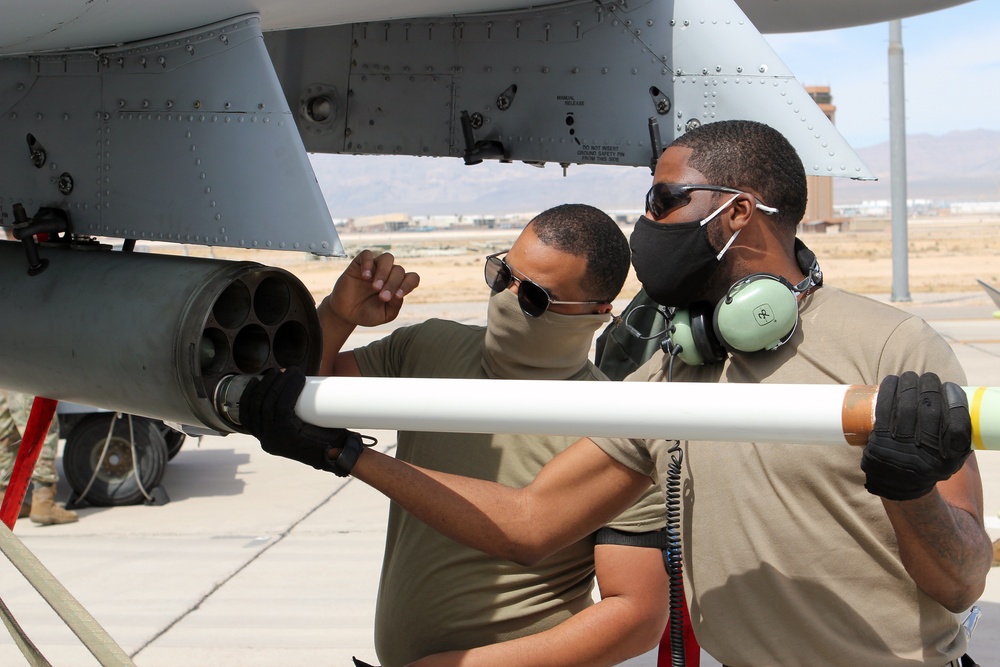
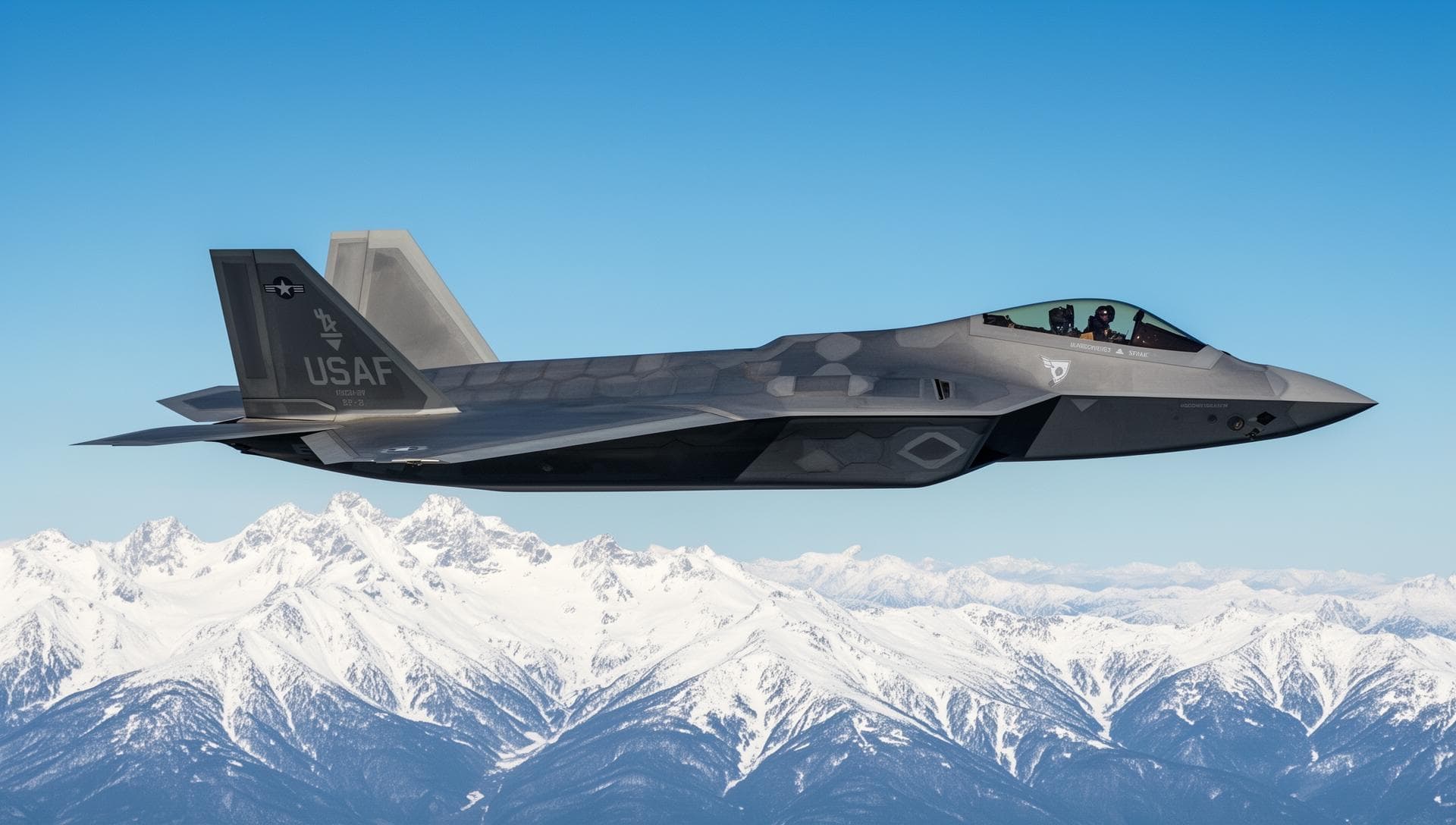
The F-35 represents the primary manned replacement for A-10 close air support missions. Its advanced sensors, precision weapon capability, and data links enable effective support for ground forces. Critics note that its higher operating costs, smaller internal gun, and shorter loiter time create tradeoffs. The F-35 can absolutely conduct close air support - it does so differently than the A-10, with different strengths and limitations.
Unmanned systems offer growing capabilities for persistent surveillance and strike. Drones can loiter for hours, providing continuous overwatch that manned aircraft cannot match. Armed variants can engage targets under human control. Current systems lack the sensors and responsiveness for the most demanding close air support scenarios, but technology continues to improve. Future unmanned systems may better approximate A-10 capabilities.
Ground-based fires provide another element. Army and Marine artillery, rocket systems, and increasingly precise munitions can deliver firepower in coordination with ground maneuver. These systems don't require the airspace coordination that aircraft do and can respond quickly to calls for fire. They don't replace air support, but they can reduce dependence on it for some mission sets.
Enhanced coordination capabilities - better communications, shared digital systems, improved procedures - can partially compensate for platform limitations. If high-altitude aircraft can receive and process information as effectively as low-altitude ones, some of the A-10's advantages diminish. Investment in these enabling capabilities is essential for any replacement approach to succeed.
The reality is that A-10 replacement will be distributed across these and other elements. No single platform will do everything the Warthog does. Some capabilities may be lost; others may be gained. The net assessment depends on how well the distributed approach is implemented and resourced.
Why the A-10 Debate Continues
The recurring pattern of A-10 retirement proposals followed by reversals reflects genuine tension between institutional priorities and operational demands. Understanding this pattern requires examining the perspectives of the various stakeholders.
The Air Force perspective emphasizes resource allocation and preparation for high-end conflict. Maintaining the A-10 fleet consumes resources - personnel, funding, maintenance capacity - that could support other priorities. The A-10's limited utility in contested environments against peer competitors strengthens the case for retiring it and investing in platforms optimized for those scenarios.
Ground force perspectives emphasize demonstrated value in recent conflicts. Army and Marine Corps leaders have consistently advocated for retaining dedicated close air support capability. Their experience shows that the A-10 provides something valuable that other assets don't fully replace. This advocacy has repeatedly influenced Congressional decisions to block or delay retirement.
Congressional perspectives incorporate both operational concerns and economic interests. The A-10 provides jobs and economic activity in districts where it is based or maintained. Industrial base considerations affect decisions. Political calculations about supporting troops shape voting patterns. These factors don't necessarily align with purely operational assessments.
Budget cycles create recurring pressure. When budgets tighten, the A-10's retirement becomes attractive - it's a discrete, identifiable savings. When budgets ease or operational demands increase, arguments for retention gain traction. This cyclical pattern suggests the debate will continue indefinitely until the aircraft genuinely cannot be sustained.
The persistence of demand for close air support drives the debate's continuation. As long as ground forces engage enemies, they will want air support. As long as close air support requires capabilities that the A-10 provides and alternatives don't fully replicate, arguments for retention will have operational grounding. The debate ends only when either the mission goes away or alternatives genuinely satisfy operational needs.
Common Misconceptions About the A-10
Public discourse about the A-10 often incorporates misconceptions from both its advocates and critics. Addressing these directly provides useful context for understanding the aircraft's actual role and limitations.
Misconception: "The A-10 is obsolete." Obsolescence depends on context. The A-10 cannot survive in contested airspace against modern integrated air defenses - in that sense, it is obsolete for high-end conflict. But for close air support in permissive environments, it remains highly effective. Many conflicts occur in these environments. Labeling the A-10 obsolete oversimplifies a more nuanced reality.
Misconception: "The A-10 is invincible." The aircraft's survivability features are impressive but not unlimited. The A-10 can survive damage that would destroy other aircraft, but it can absolutely be shot down by modern air defense systems. Its survivability was designed against specific threat types that have since evolved. Operating the A-10 in inappropriate threat environments gets aircraft and pilots killed.
Misconception: "It's all about the gun." The GAU-8 is iconic but represents only part of the A-10's capability. Modern A-10 operations frequently rely primarily on precision-guided munitions, using the gun for specific situations where it offers advantages. The aircraft's value comes from its overall optimization for close air support, not from any single weapon system.
Misconception: "A single aircraft can replace it." No single platform currently replicates everything the A-10 provides. Each potential replacement offers some capabilities and lacks others. Replacement in practice means distributing the mission across multiple platforms and accepting tradeoffs. Claims that any single aircraft is a complete replacement oversimplify the problem.
Misconception: "Ground forces don't really need dedicated close air support." History repeatedly demonstrates the value of close air support to ground operations. The question is not whether the mission matters but how best to perform it. Arguments that precision weapons and advanced sensors eliminate the need for low-altitude, persistent support misunderstand what ground forces actually request and value.
Misconception: "The debate is about nostalgia." While some attachment to the A-10 reflects sentimentality, the operational arguments for retention are substantive. Ground force commanders who advocate for the A-10 do so based on their experience with what works in their operations, not mere attachment to tradition. Dismissing these arguments as nostalgia ignores their operational foundation.
Key Takeaways
For readers seeking to understand the A-10's persistence and replacement challenges, the following points summarize the essential insights from this analysis:
- The A-10 persists because of mission reality, not nostalgia. Close air support imposes specific requirements that the A-10 was designed to meet. Its continued service reflects the difficulty of meeting those requirements with other platforms, not mere institutional inertia.
- Close air support is a mission, not a weapon. Supporting ground forces in contact requires more than delivering ordnance. It requires coordination, communication, visual identification, and persistent presence that go beyond precision strike capability.
- The A-10's design philosophy prioritized survivability through tolerance, not avoidance. Redundancy, armor, and simplicity allow the aircraft to absorb damage and continue flying. This approach accepts limitations in other areas.
- The GAU-8 is iconic but not the whole story. Modern A-10 operations rely heavily on precision-guided munitions. The gun contributes to capability but does not define it.
- Survivability is not invincibility. The A-10 can survive hits from threats it was designed against. Modern integrated air defenses present challenges beyond its design parameters.
- Modern aircraft genuinely exceed A-10 capabilities in important areas. Speed, stealth, sensors, and networked operations favor platforms like the F-35 in contested environments.
- Modern aircraft struggle to replicate other A-10 capabilities. Loiter time, low-altitude coordination, visual target identification, and cost-effective persistent presence remain A-10 strengths.
- Replacing the A-10 means replacing a mission capability, not just an aircraft. Pilots, tactics, relationships, and institutional knowledge retire along with the airframe.
- Replacement is distributed, not one-for-one. The F-35, drones, ground fires, and enhanced coordination will share the close air support mission. Some capabilities may be lost in translation.
- The debate continues because the mission persists. As long as ground forces need air support and alternatives don't fully satisfy that need, arguments for A-10 retention will have operational grounding.
- Both advocates and critics oversimplify. The A-10 is neither obsolete nor invincible. Neither complete replacement nor indefinite retention fully addresses the complex tradeoffs involved.
- Mission requirements endure beyond platform lifespans. Whatever happens to the A-10, close air support will remain necessary. The question is how to perform that mission effectively with available resources.
The A-10 Warthog's refusal to die reflects a deeper truth about military capability: platforms exist to perform missions, and missions persist as long as operational needs endure. The close air support mission - providing firepower in direct coordination with ground forces engaged with the enemy - will remain necessary as long as ground combat occurs. How that mission is performed will continue to evolve, but the fundamental requirement remains.
The A-10 represents one answer to that requirement - an answer developed half a century ago that has proven remarkably difficult to improve upon in certain dimensions. Its eventual retirement will come, whether from aircraft age, maintenance unsustainability, or deliberate decision. When it does, the mission will continue with other platforms, other tactics, and other tradeoffs.
Understanding why the A-10 persists - and what replacing it really means - provides insight into how military capabilities develop, how missions shape platform requirements, and how difficult it can be to replicate what purpose-built systems achieve. The Warthog's story is not primarily about one aircraft. It is about the enduring challenge of supporting soldiers in combat and the institutional, technical, and human factors that shape how nations meet that challenge.