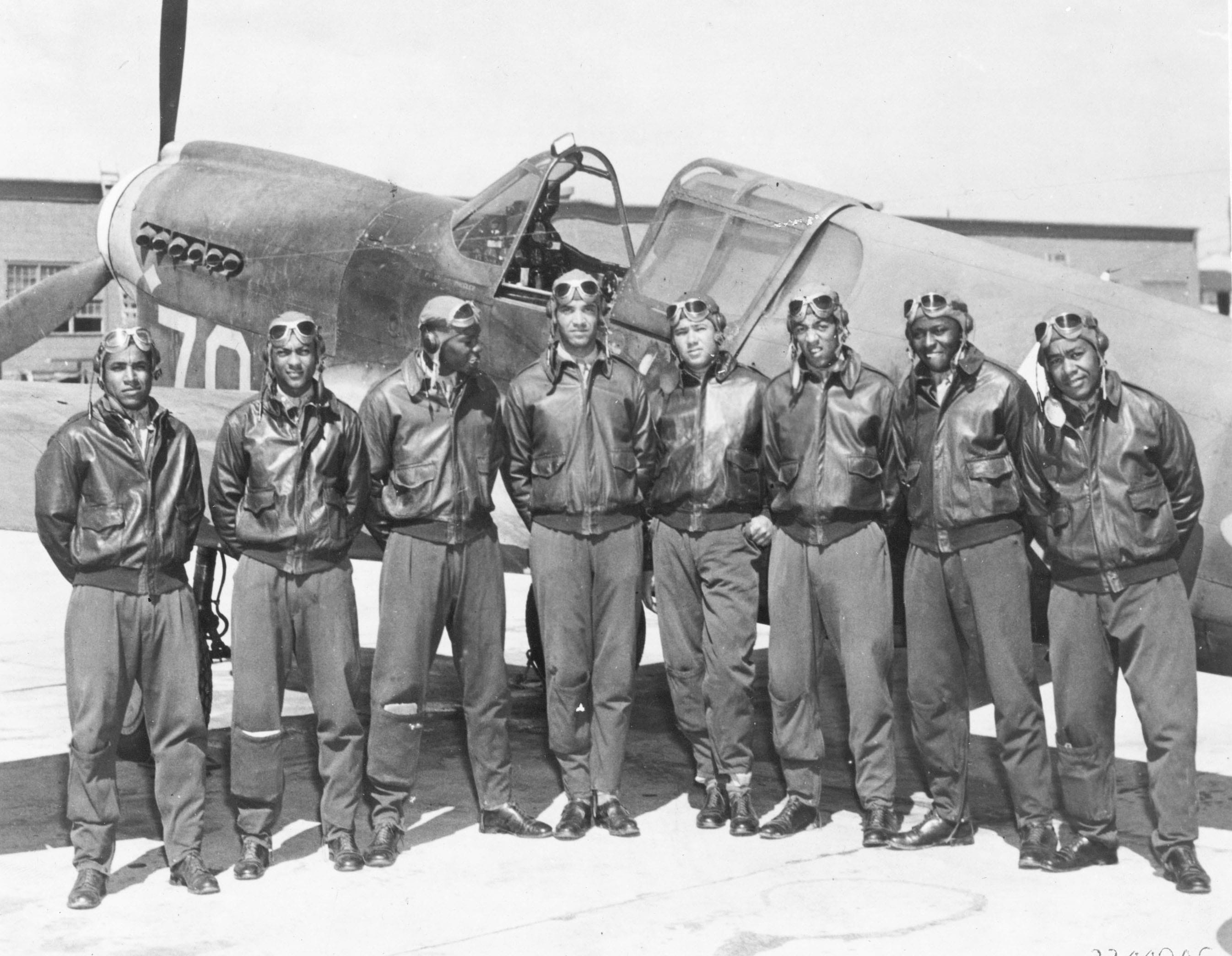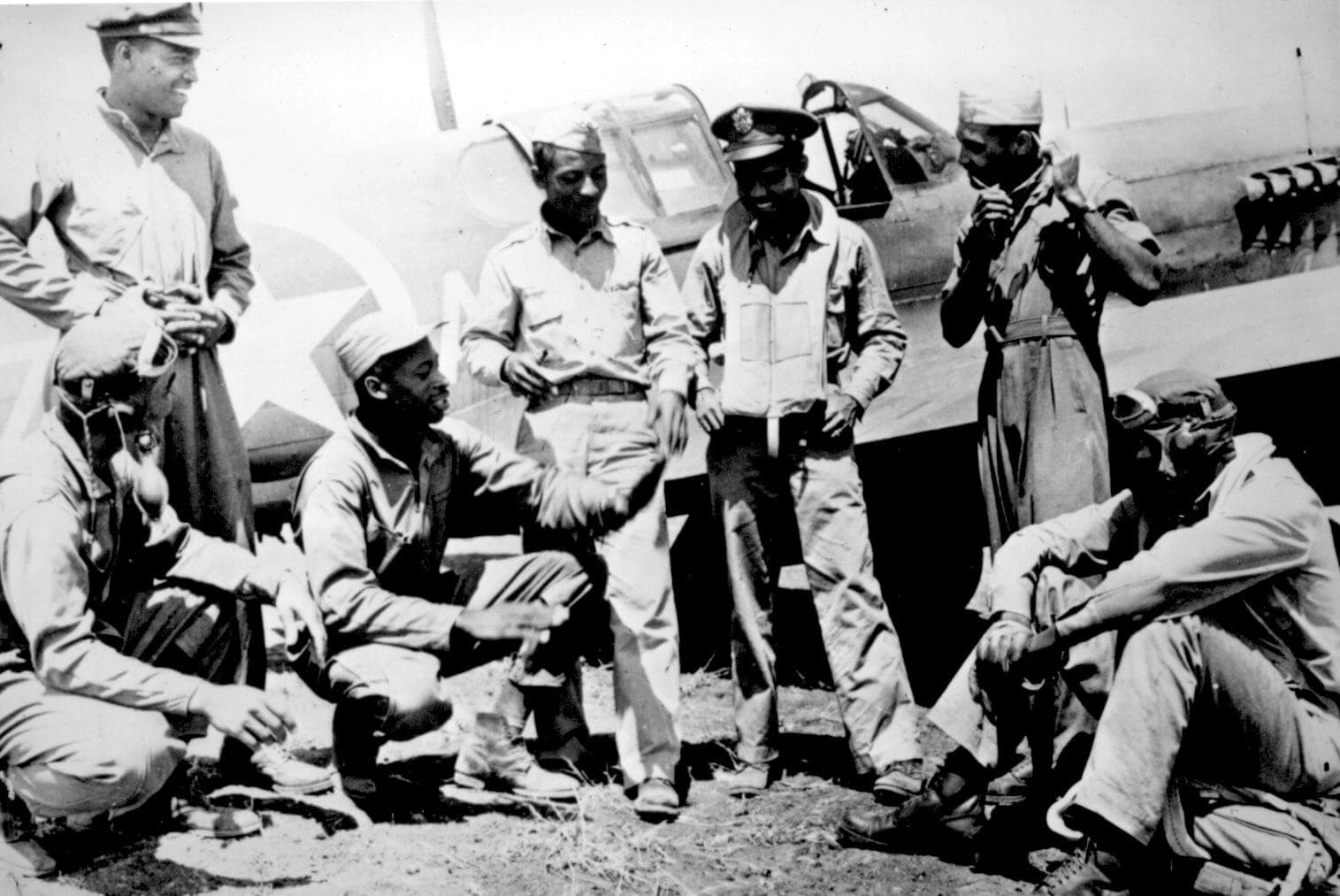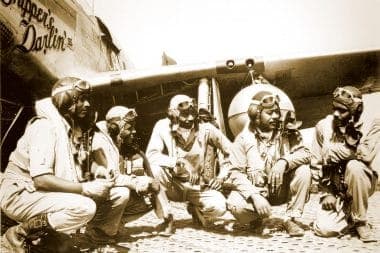
The Tuskegee Airmen shattered racial barriers and proved their mettle in the skies over Europe and North Africa during World War II. Here are 20 facts about these legendary aviators.
Origins and Formation
1 The Tuskegee Airmen were the first African American military aviators in the United States armed forces during World War II.
2 In December 1939 they became the first African American Air Corps squadron to enter military airspace and deployed to North Africa as part of the 99th Fighter Squadron.
3 The 99th Pursuit Squadron, better known as the Tuskegee Airmen, was the first African American combat aviator unit in US history.
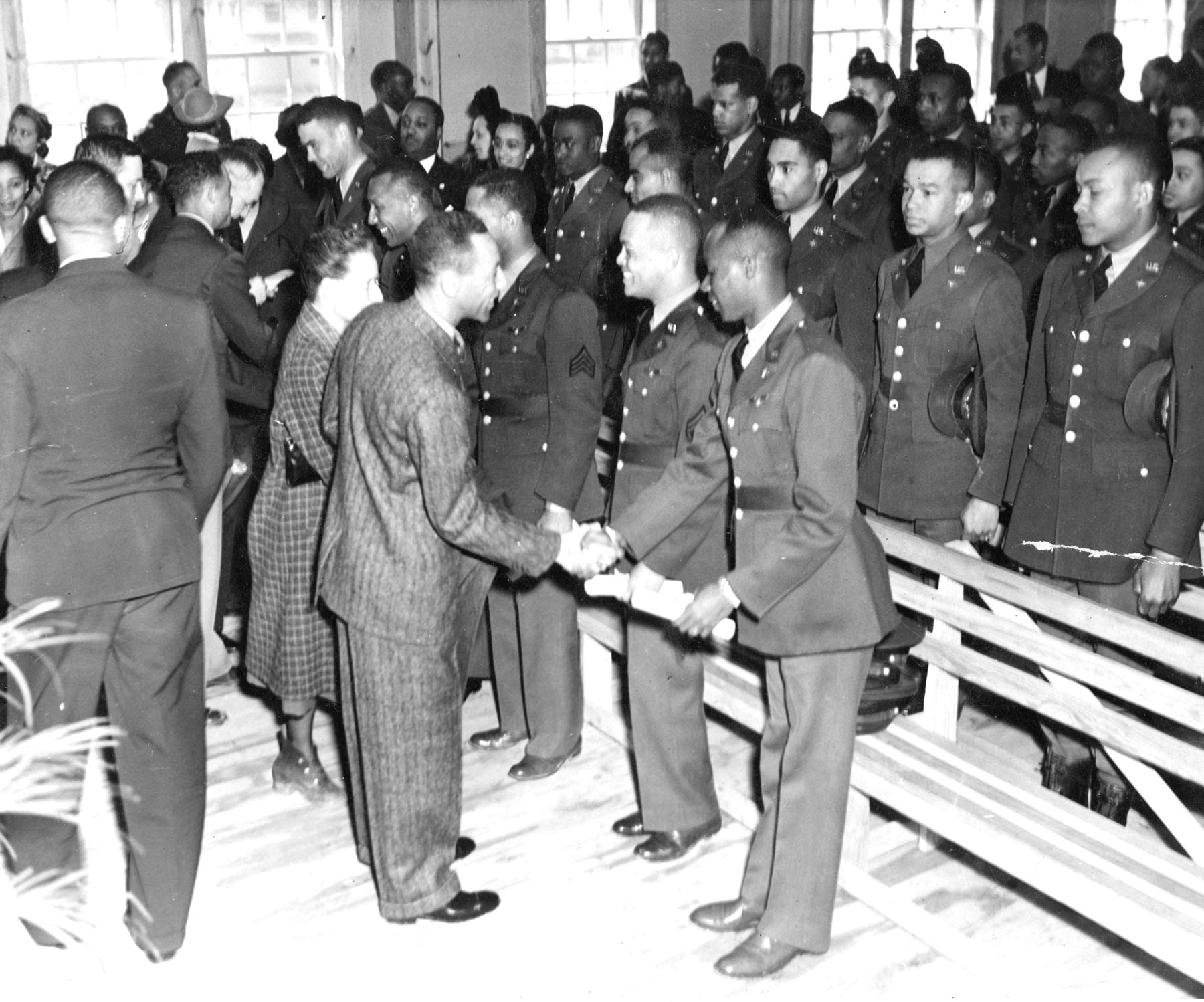
4 The Tuskegee Airmen were trained at the Tuskegee Army Airfield, established in 1941 as the first all-black military airfield in the country.
5 While most of their pilots were African Americans, the group also included many non-African American personnel, including a few female pilots.
Combat Operations
6 One of the most important moments of the Tuskegee Airmen was the first mission they completed with the 97th Fighter Squadron in April 1943. They provided air support to Allied soldiers and the pilots of the 99th were given credit for shooting down numerous enemy fighters.
7 Following intense training, the Tuskegee Airmen were deployed to North Africa in June 1943. After a difficult transition period, the newly formed unit was integrated with the 332nd Fighter Group, one of the most successful combat squadrons of the war.
8 In early 1945, the 99th Fighter Squadron was reassigned to the 332nd Fighter Group. This group was composed solely of African-American pilots and their targets were ground positions primarily in Italy and the Mediterranean region.
9 The Tuskegee Airmen flew more than 100 Allied bombing missions in Europe and the Mediterranean during World War II. They destroyed more than 100 German planes in air-to-air combat and escorted bombers to their targets during their tour of duty.
10 The pilots of the Tuskegee Airmen were nicknamed the "Red Tails" due to the distinctive red painted tails on their planes.
Training and Tactics
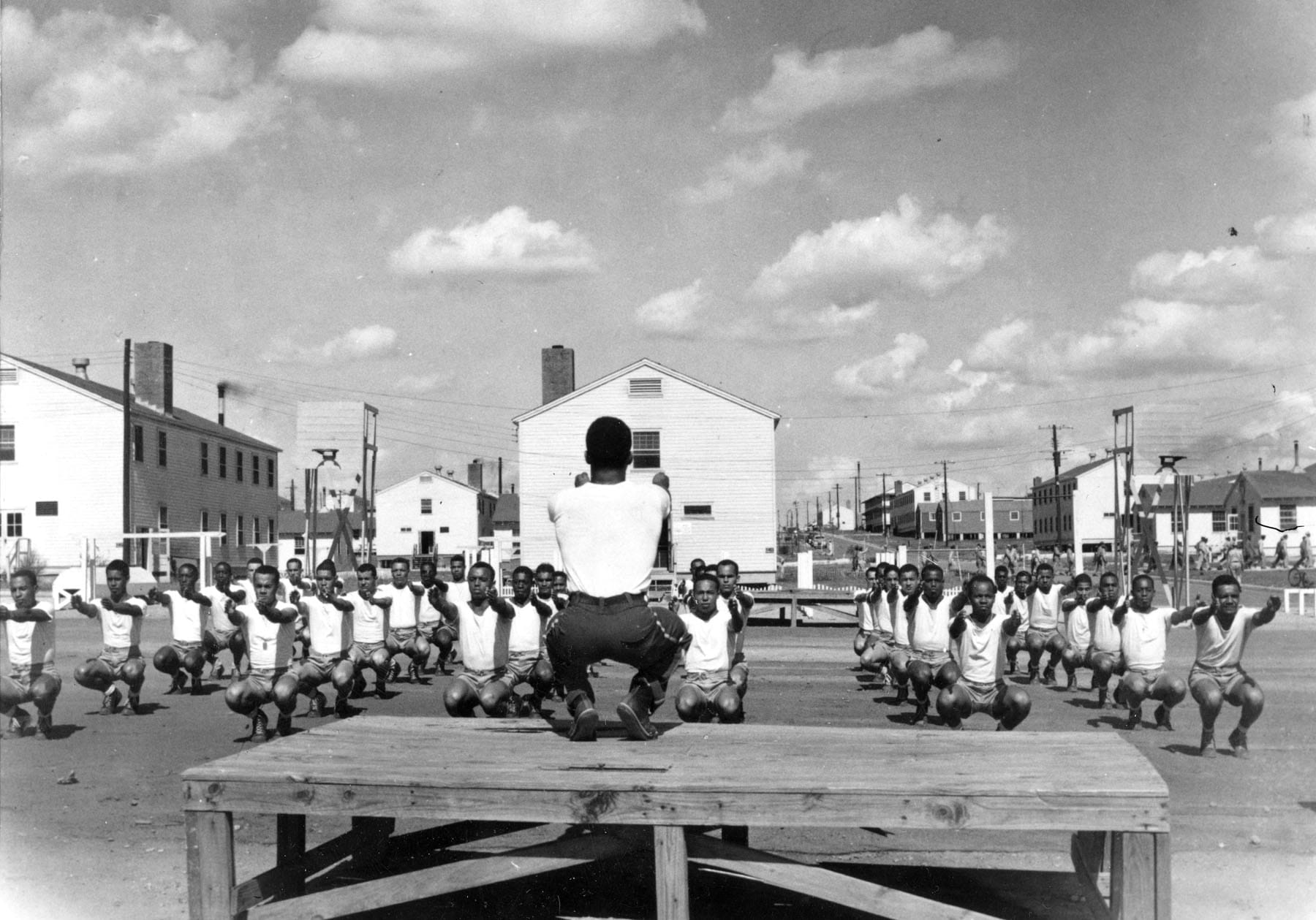
11 While in flight school the 450th Fighter Squadron stood out above the rest, improving their speed and flight formations. They tested and employed cutting-edge flight tactics and aeronautical knowledge throughout their training.
12 The Tuskegee Airmen created the 332nd Fighter Group, utilizing the aircraft they flew in combat and the air bases they flew from throughout the world.
13 While the Tuskegee Airmen were in flight, they were discriminated against in their military life. They experienced both racial and gender inequality in the military.
The P-51 Mustang and the Red Tails
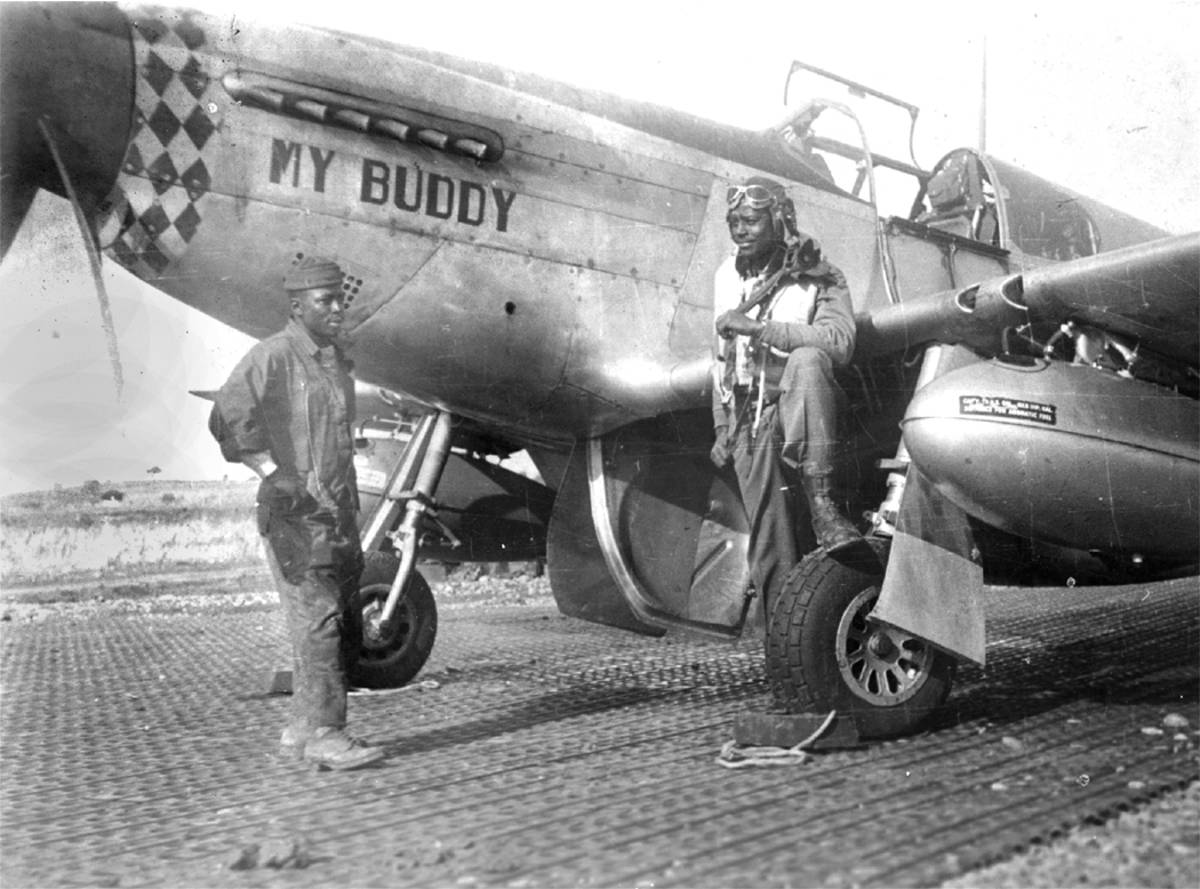
14 The P-51 Mustang flown by the Tuskegee Airmen was the first combat aircraft that African Americans were allowed to fly in US military service. Widely regarded as one of the greatest combat aircraft ever created, the P-51 was the most widely used fighter by the Allied air forces.
15 The P-51 flown by the Tuskegee Airmen was armed with six .50 caliber machine guns and could reach a maximum speed of 437 mph. The Mustang could climb to a maximum altitude of 37,500 feet and had a range of 1,650 miles.
16 The Tuskegee Airmen flew the Mustang in over 1,500 combat missions, destroying over 200 German aircraft in the process. They were credited with saving thousands of American lives by escorting bombers deep into Nazi territory.
Combat Record and Legacy
17 In total, the Tuskegee Airmen achieved over 200 victories in combat without suffering any losses throughout the entire World War II campaign.
18 The Tuskegee Airmen are credited with successfully escorting strategic bombing missions over Europe, while establishing a record of highly successful combat ratios. They destroyed approximately 260 aircraft in the air and 112 on the ground, earning 369 individual awards and citations during the war.
19 The Tuskegee Airmen suffered nearly 250 casualties, including 56 killed in combat. They gained an excellent reputation for their performance, and in May 1945 the 332nd Fighter Group was awarded the Presidential Unit Citation, the highest honor that can be given to a U.S. military unit.
20 Out of the total 15,000 pilots trained as part of the US Army Air Corps in World War II, approximately 450 Tuskegee Airmen served with distinction and became known as the "Red Tails." Their efforts helped open up opportunities for African Americans in the military and in civil aviation.