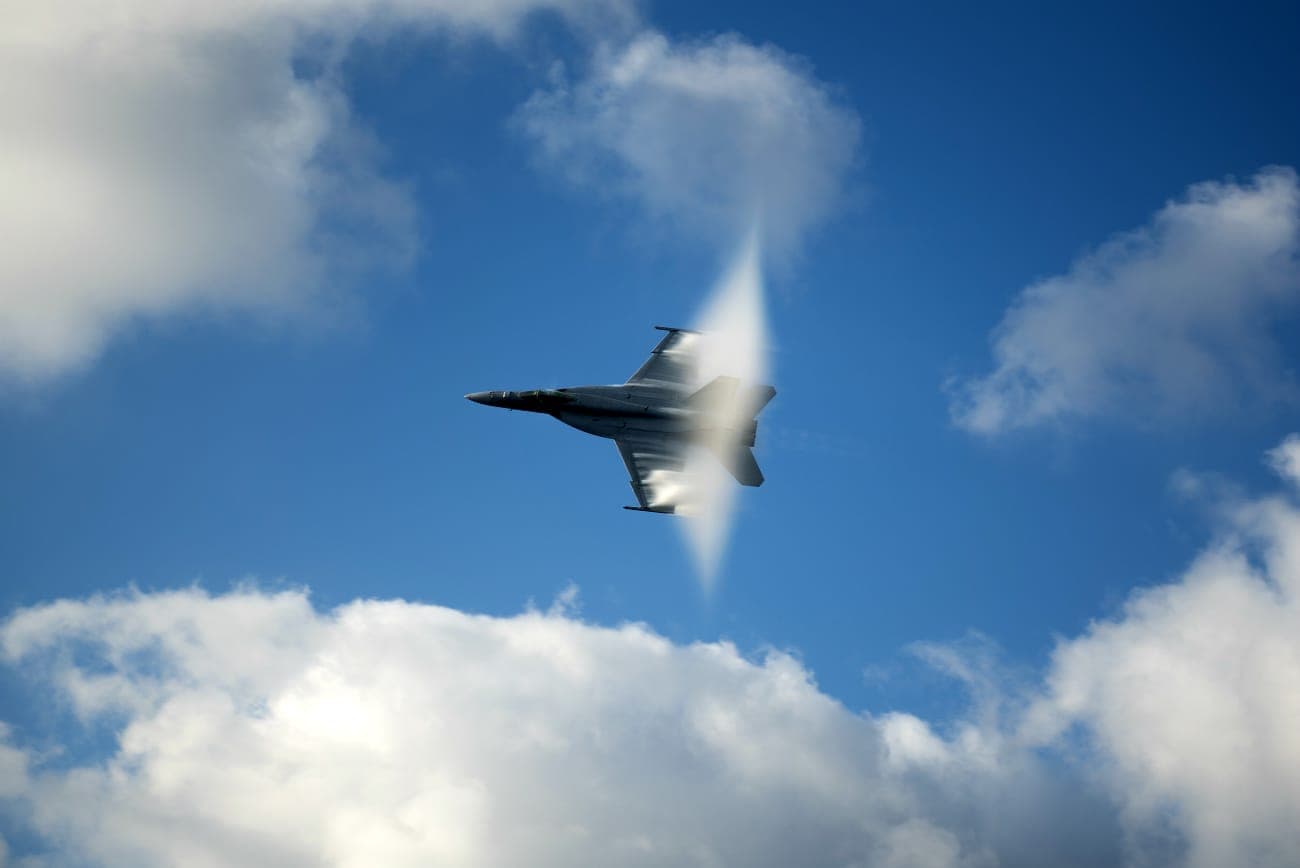
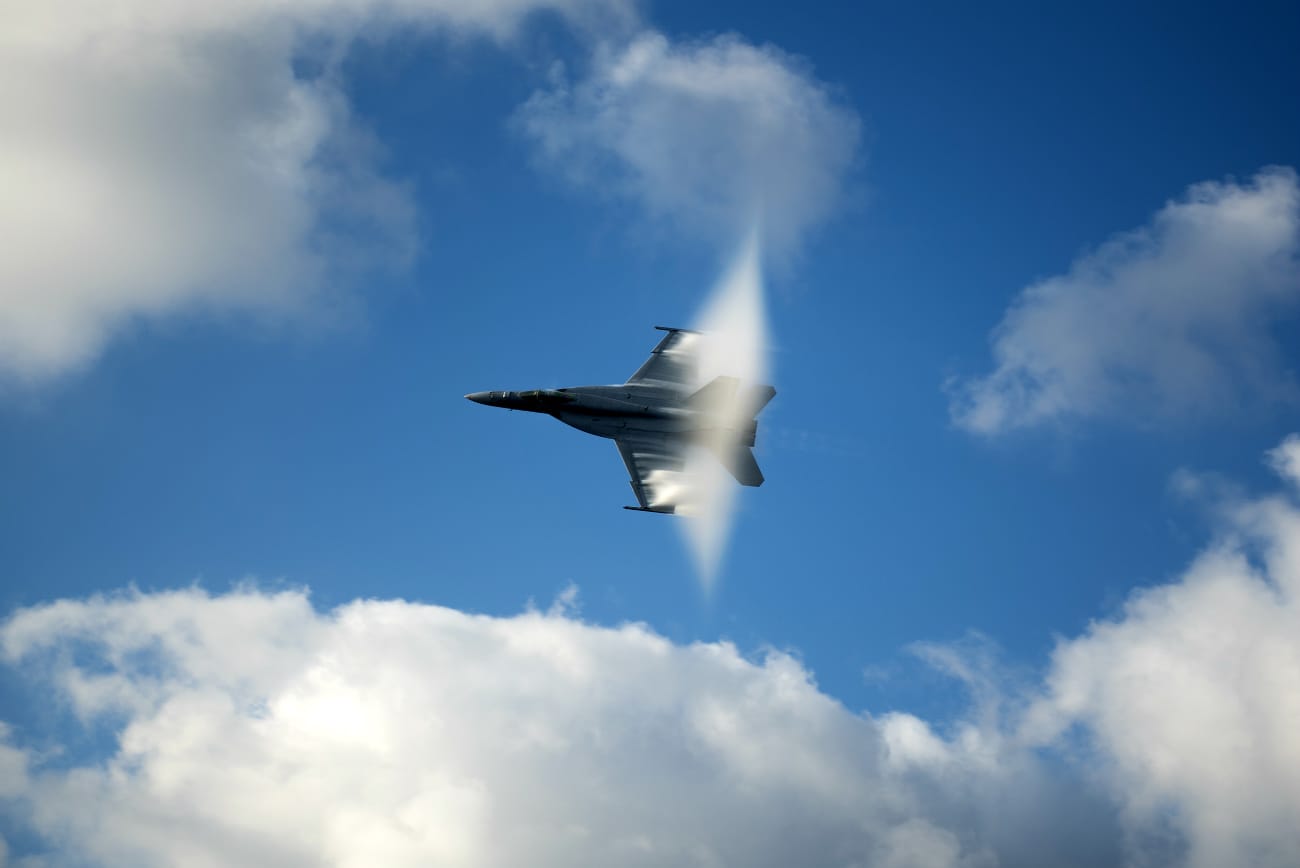
The F/A-18E/F earned the "Super Hornet" name because it represents a dramatically upgraded evolution of the original F/A-18 Hornet. While sharing the same basic configuration, the Super Hornet is essentially a new aircraft with greater size, power, range, and capability.
Evolution from the Hornet
The original F/A-18 Hornet entered Navy service in 1983. McDonnell Douglas (now Boeing) designed it as a versatile carrier-based fighter-attack aircraft. By the early 1990s, the Navy needed more range, payload, and growth potential than the Hornet could provide.
Rather than design an entirely new aircraft, Boeing created a substantially larger derivative. The "Super" prefix indicated this wasn't merely an upgraded Hornet, but a significantly more capable aircraft that maintained design continuity with its predecessor.
What Makes It "Super"?
The Super Hornet differs from the legacy Hornet in nearly every dimension:
- Size: 25% larger wing area and 20% longer fuselage
- Range: 40% greater internal fuel capacity
- Engines: More powerful F414 engines replacing the F404
- Payload: 11 weapon stations versus 9 on the legacy Hornet
- Avionics: Completely redesigned cockpit and sensor suite
Only about 10% of the Super Hornet's structure is common with the legacy Hornet. The "Super" designation acknowledges that this is effectively a new aircraft that happens to look similar to its predecessor.
The Naming Decision
Boeing and the Navy considered several names before settling on Super Hornet. The aircraft was initially designated the F/A-18E/F, with "E" denoting the single-seat version and "F" the two-seat version.
Keeping "Hornet" in the name offered several advantages:
- Leveraged the original Hornet's strong reputation
- Emphasized continuity in carrier aviation
- Simplified logistics and training transitions
- Maintained squadron traditions and identity
Capabilities That Justify the Name
The Super Hornet has proven its capabilities in combat operations since entering service in 1999. Its combination of range, payload, and sensor capability makes it the Navy's primary strike fighter.
Key capabilities include:
- APG-79 AESA radar: Advanced electronically scanned array for air-to-air and air-to-ground operations
- ATFLIR targeting pod: Precision targeting for guided weapons
- External fuel tanks: Up to five external tanks for extended range missions
- Aerial refueling: "Super Tanker" configuration for buddy refueling operations
The EA-18G Growler
The Super Hornet's capability led to the EA-18G Growler electronic warfare variant. This aircraft replaced the EA-6B Prowler in the electronic attack role. The Growler carries jamming pods and anti-radiation missiles while retaining air-to-air capability.
Block III Super Hornet
Boeing continues developing the Super Hornet with the Block III upgrade. Improvements include conformal fuel tanks, advanced cockpit displays, enhanced networking, and reduced radar signature. These upgrades ensure the Super Hornet remains relevant alongside the F-35C in carrier air wings.
The "Super" in Super Hornet represents a genuine leap in capability over the original Hornet. The name has proven apt as the aircraft has become the backbone of U.S. Navy strike fighter operations for over two decades.