The F-15 Eagle is one of the most successful fighter jets in aviation history, with an undefeated air-to-air combat record of over 100 victories. But why did this legendary aircraft receive the name "Eagle"? The answer involves symbolism, design philosophy, and corporate heritage.
The Symbolism Behind the Name
When McDonnell Douglas designed the F-15 in the late 1960s and early 1970s, they created an aircraft specifically for air superiority. The bald eagle, America's national bird, represents power, freedom, and dominance in the sky. These qualities aligned with what the Air Force wanted the F-15 to embody.
The eagle is a apex predator known for its exceptional eyesight, speed, and hunting prowess. Similarly, the F-15 was designed to detect enemies first, engage them at long range, and dominate any aerial engagement. The parallel was intentional.
Design Resemblance
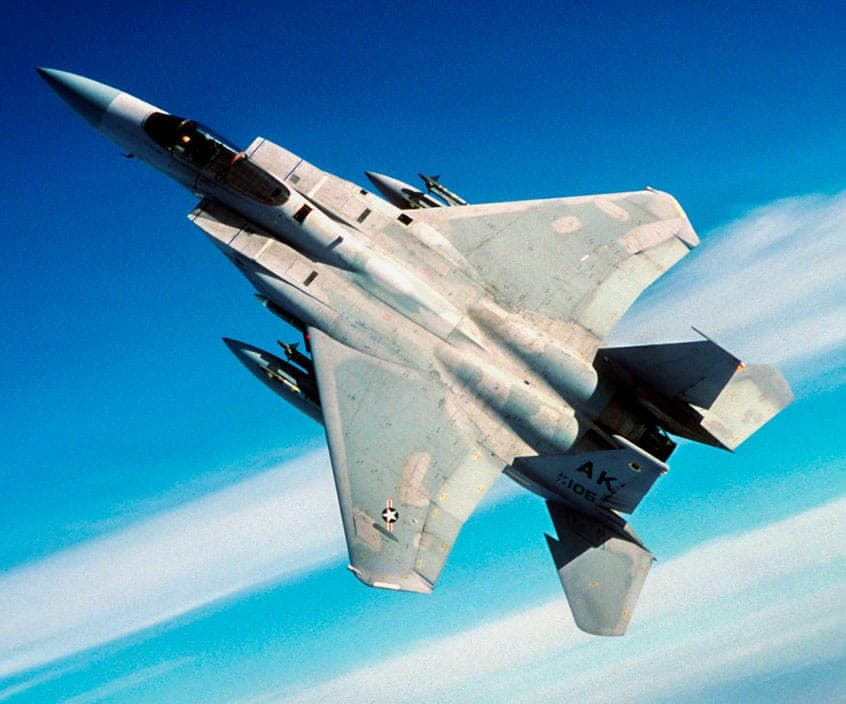
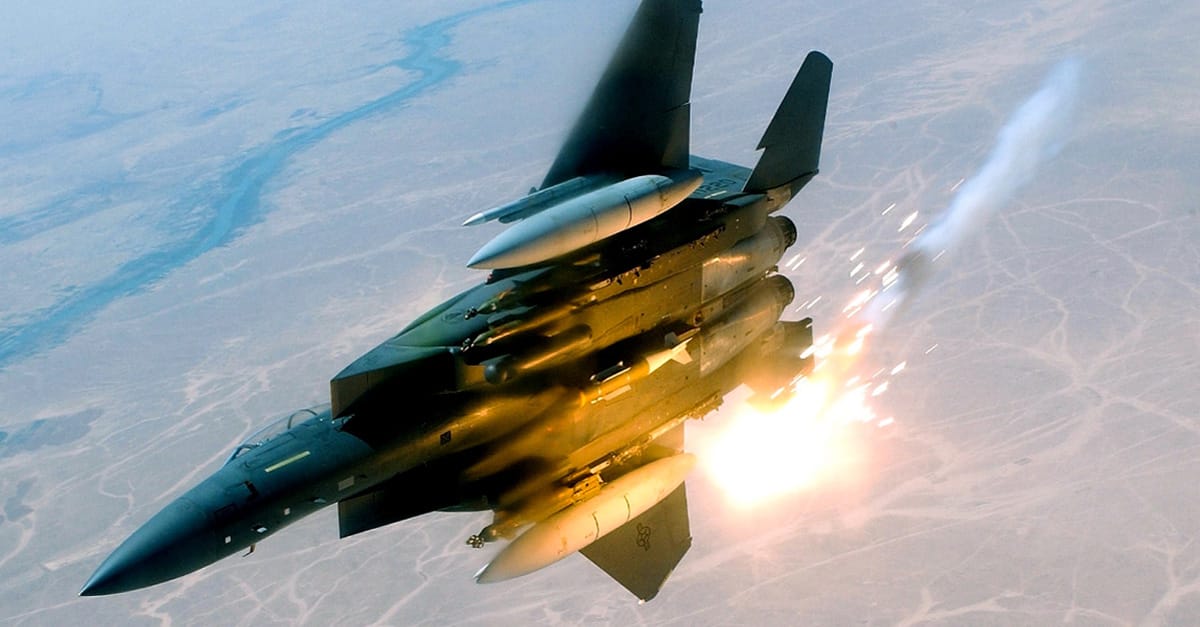
Look at an F-15 from certain angles, and its silhouette genuinely resembles an eagle in flight. The aircraft's large, swept wings extend outward like a bird of prey's wingspan. The twin vertical stabilizers suggest tail feathers, while the pointed nose evokes a raptor's beak.
This visual similarity reinforced the choice of name. Pilots and ground crews could see the eagle connection every time the aircraft took to the sky.
McDonnell Douglas Heritage
McDonnell Douglas adopted the bald eagle as its corporate logo in 1972, the same year the F-15 made its first flight. The company already had a history of bird-themed aircraft names, including the F-4 Phantom and the F-101 Voodoo. Naming their new air superiority fighter after the bald eagle continued this tradition while honoring America's national symbol.
A Name That Endures
Introduced in 1976, the F-15 Eagle has served for nearly five decades. The name has become synonymous with American air power. When people hear "Eagle," they think of unmatched aerial dominance.
The aircraft continues to evolve. The F-15EX Eagle II represents the latest variant, proving that both the design and the name remain relevant in modern warfare.
Related Aircraft
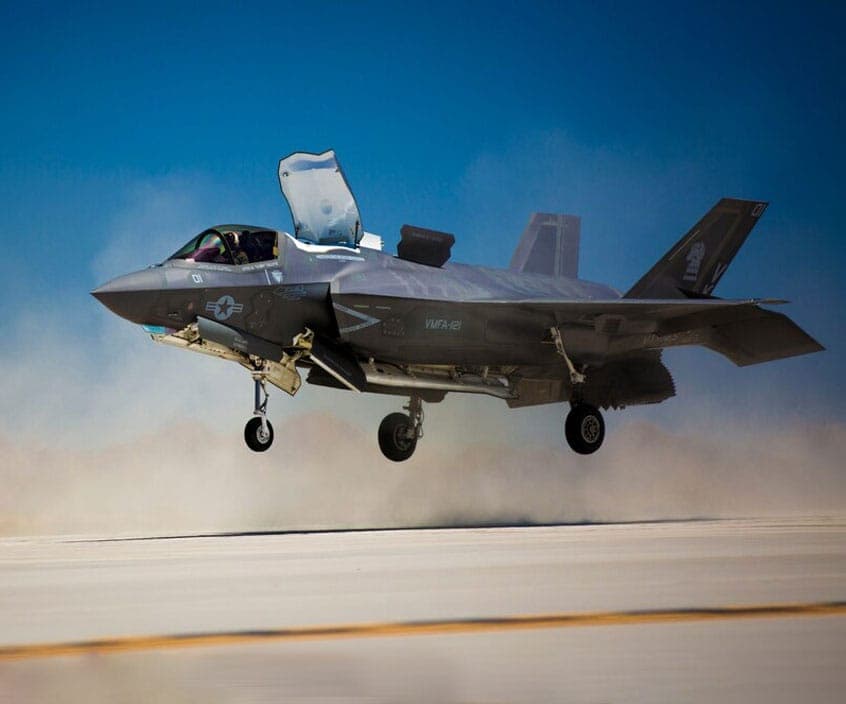
The F-15's success influenced later American fighters. The F-22 Raptor succeeded the F-15 as America's primary air superiority fighter, while the F-35 Lightning II serves as a multirole complement. Each carries forward the legacy that the Eagle established.
Understanding why the F-15 earned its name helps appreciate the thought that goes into military aircraft designations. The Eagle name perfectly captures what the F-15 represents: American air superiority at its finest.