Most of what you think you know about modern warfare comes from movies, headlines, and simplified commentary. That's not an insult; it's a structural problem. The systems that shape real military outcomes are invisible, counterintuitive, and rarely dramatic enough to make the evening news.
This article isn't about expertise. It's about unlearning shortcuts. The goal isn't to make you feel wrong. It's to replace vague impressions with clearer mental models. Because here's the truth: modern warfare is shaped far more by constraints, tradeoffs, and unglamorous systems than by the heroic moments that dominate public imagination.
What follows are common assumptions about how war works today, assumptions that feel correct because they're repeated everywhere. Each one contains a grain of truth. But each one also obscures something more important. If you've absorbed your understanding of military operations from popular culture, strategic Twitter, or even mainstream defense coverage, some of these corrections might surprise you.
The point isn't to dunk on conventional wisdom. It's to acknowledge that warfare, like any complex system, resists simple narratives. The more you understand its real dynamics, the better equipped you are to evaluate claims about military capability, strategic decisions, and the actual costs of conflict.
Let's start with the assumption almost everyone gets wrong first.
"The Faster Force Wins"
Why It Sounds Right: Speed is celebrated everywhere in military history. Blitzkrieg. Shock and awe. Maneuver warfare. The narrative says the side that moves first and fastest overwhelms the enemy before they can react. And there's truth here: tactical speed can create opportunities that slower forces can't exploit.
What Actually Happens: Speed without sustainability collapses. Fast advances that outrun supply lines become vulnerable. Units that move faster than their logistics can support them face ammunition shortages, fuel crises, and maintenance backlogs. The German advance toward Moscow in 1941 was fast, until it wasn't. Coalition forces in Iraq moved quickly in 2003, but then spent years dealing with what speed alone couldn't solve.
The More Accurate Way to Think About It: Speed is a tool, not a strategy. What matters is whether you can sustain tempo long enough to achieve your objective. The force that can maintain operational rhythm (moving, fighting, and resupplying in a sustainable cycle) usually outlasts the one that sprints. This is why military readiness isn't just about equipment; it's about the ability to keep moving.
"Technology Replaces Manpower"
Why It Sounds Right: Drones, precision munitions, cyber capabilities: the narrative suggests that advanced technology allows smaller forces to achieve what once required mass. Fewer boots on the ground, more decisive outcomes. It's an appealing story, especially for nations trying to do more with less.
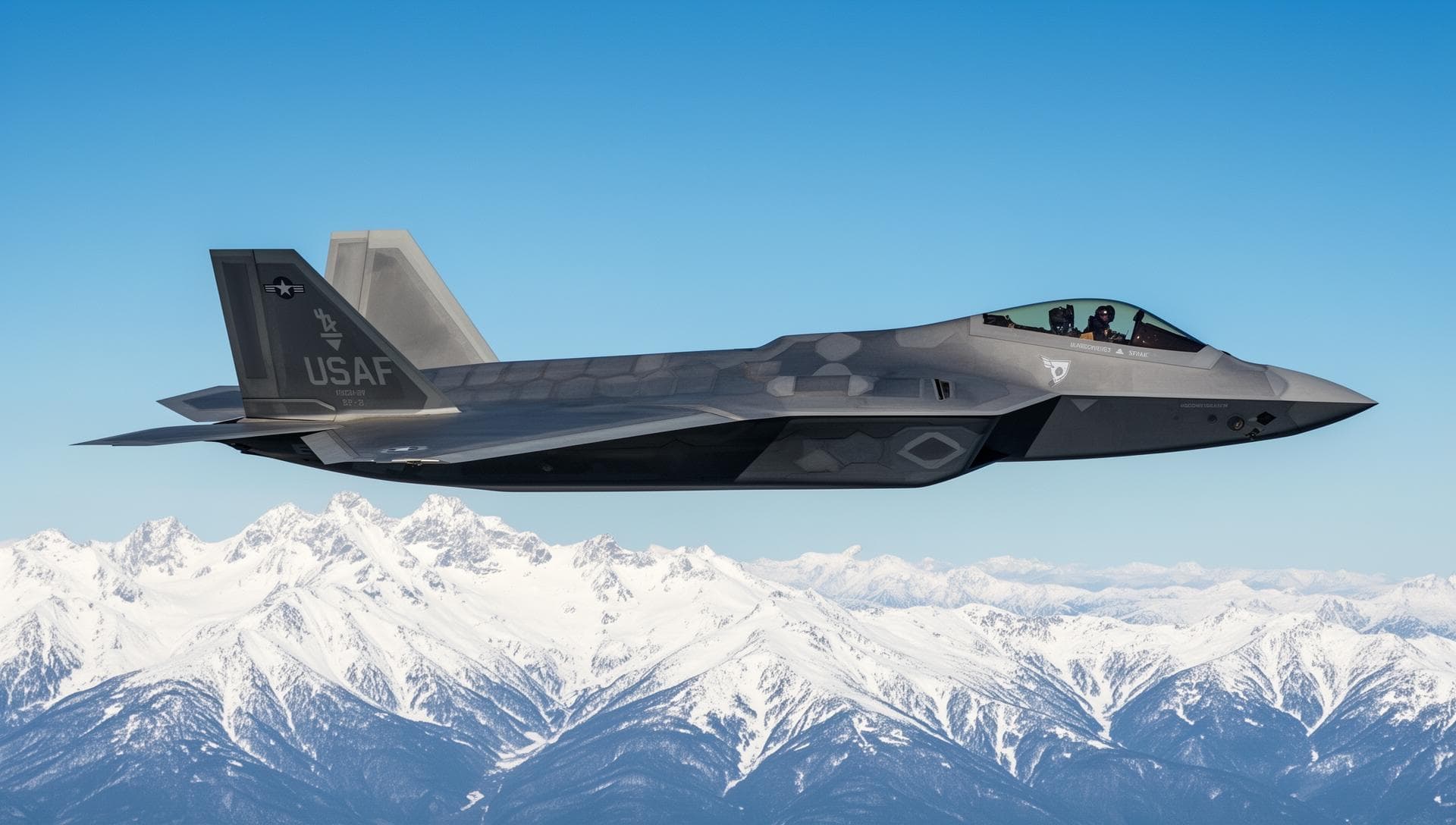
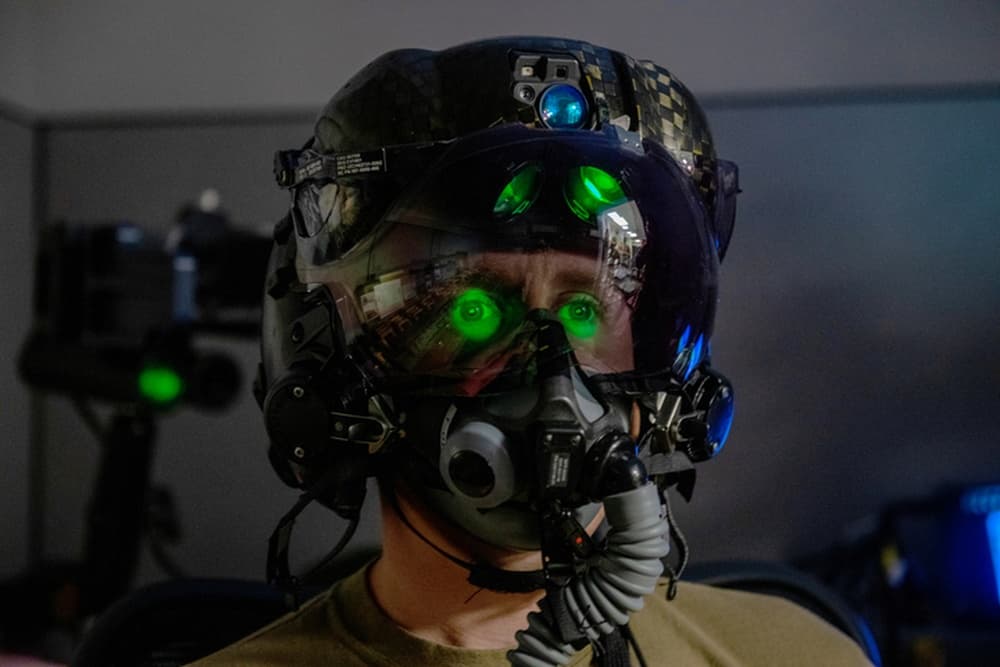
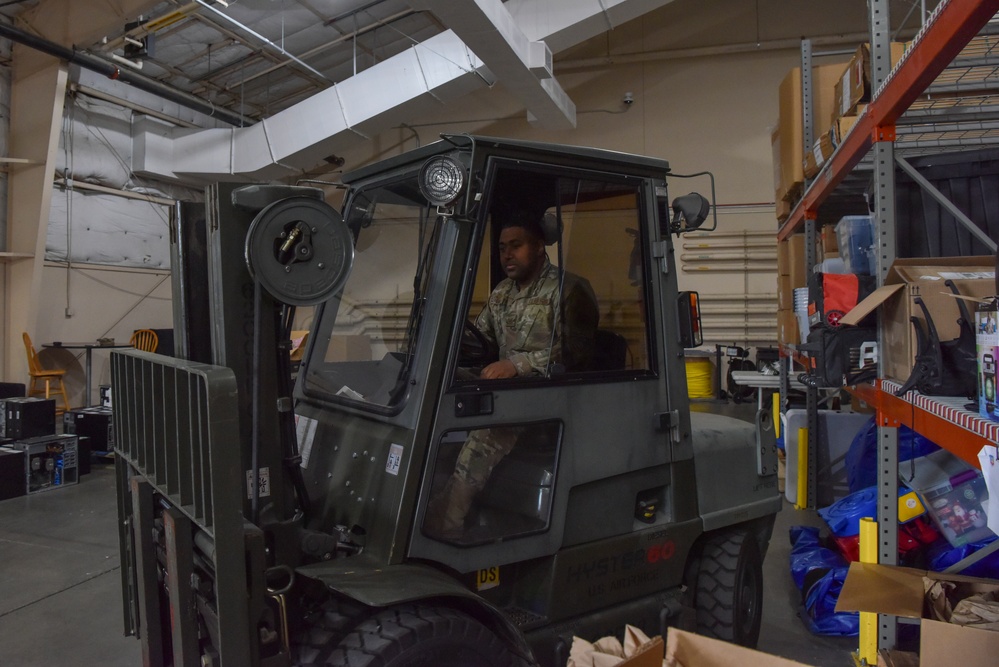
What Actually Happens: Technology creates dependencies. Advanced systems require maintenance, logistics, trained operators, and often specialized support infrastructure. A single F-35 requires dozens of maintainers. Drone operations need ground stations, data links, and analysts. Precision weapons need intelligence to target. Each technological capability comes with a human tail that's rarely visible in the sales pitch.
The More Accurate Way to Think About It: Technology changes the composition of forces, not the need for people. What shifts is where people are needed, shifting from front-line combat roles to maintenance, intelligence, cyber, and support functions. The total requirement often stays the same or increases. The reality of military maintenance shows how much human effort keeps advanced systems running.
"Bigger Forces Always Dominate Smaller Ones"
Why It Sounds Right: Numbers matter. More troops, more tanks, more aircraft: the math seems obvious. Historically, the side with more resources usually won. And at the strategic level, mass still matters.
What Actually Happens: Size creates complexity. Larger forces require more coordination, longer supply lines, more communication infrastructure, and more potential points of failure. Smaller forces that know their terrain, move unpredictably, and choose where to fight can offset numerical advantages. The Soviet experience in Afghanistan, the American experience in Vietnam, and countless insurgencies demonstrate that mass alone doesn't guarantee outcomes.
The More Accurate Way to Think About It: What matters is relative combat power at the point of decision, not total force size. A smaller force that concentrates strength at the right time and place can defeat larger forces that are dispersed, surprised, or poorly coordinated. Understanding how military decisions actually get made explains why coordination often matters more than count.
"Precision Weapons Eliminate Friction"
Why It Sounds Right: Modern guided munitions can hit specific buildings, vehicles, even individuals. The promise of precision suggests cleaner, more controlled warfare: surgical strikes instead of carpet bombing, minimal collateral damage, decisive effects.
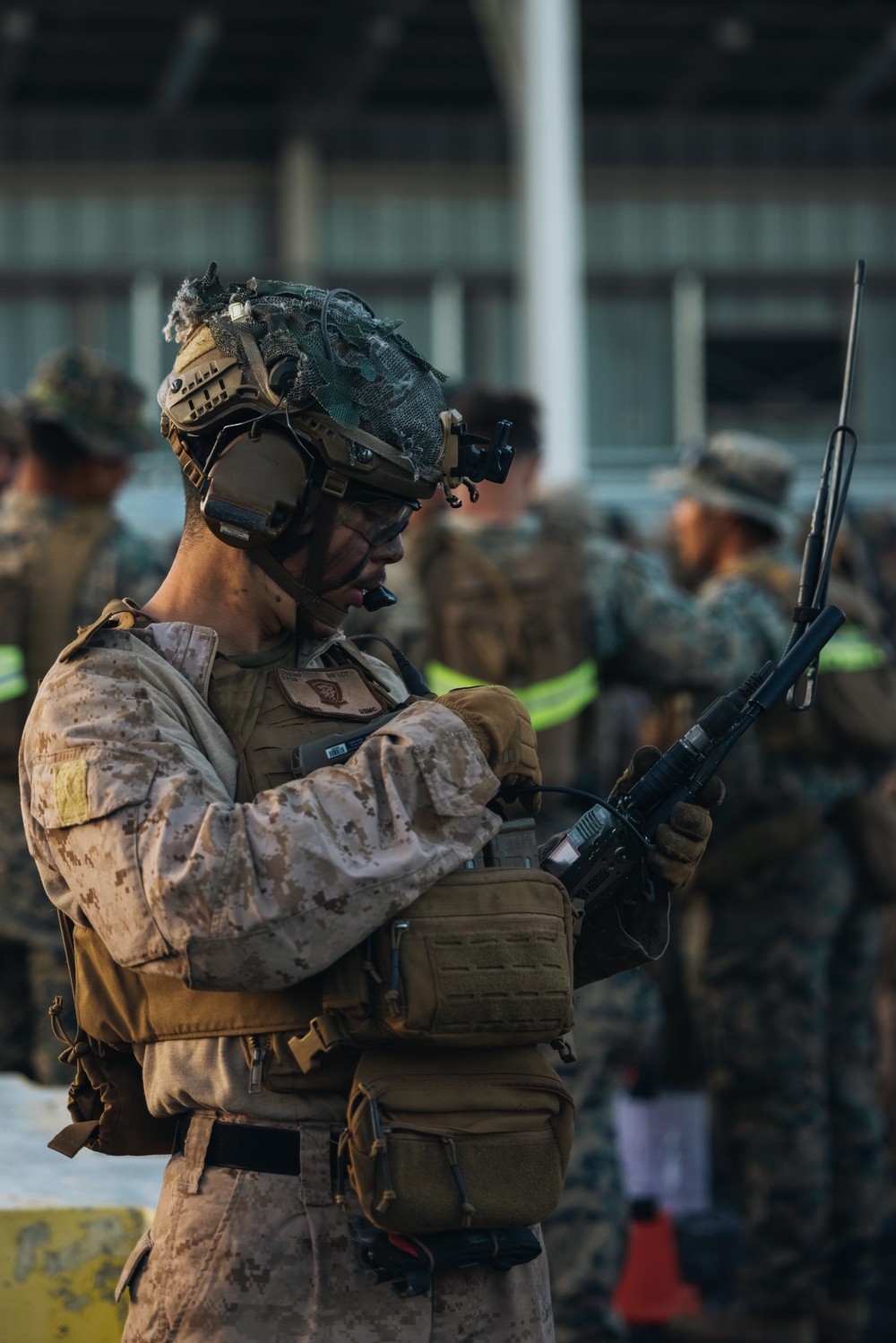
What Actually Happens: Precision applies to the weapon, not the war. You still need accurate intelligence to know what to strike. You still need functioning supply chains to deliver munitions. You still need trained crews to employ them. You still need political will to authorize their use. Each link in that chain introduces friction: delays, errors, miscommunication, and uncertainty.
The More Accurate Way to Think About It: Precision reduces certain types of errors while exposing others. When a guided bomb hits exactly where you aimed, the question becomes whether you aimed at the right thing. Intelligence failures, target misidentification, and changing situations on the ground mean that precision weapons can precisely hit the wrong target. The Millennium Challenge 2002 exercise showed how even sophisticated forces can be surprised when friction compounds.
"Readiness Is a Static Condition"
Why It Sounds Right: Reports describe units as "combat ready" or "not ready." The language implies a binary state, either prepared or not. Politicians and journalists often treat readiness as a stable metric that goes up or down based on funding and training.
What Actually Happens: Readiness degrades constantly. Equipment breaks. Personnel rotate. Certifications expire. Skills atrophy. A unit that's fully ready today starts degrading tomorrow. Maintaining readiness is an ongoing process that requires continuous investment, not a destination you reach and hold.
The More Accurate Way to Think About It: Readiness is a rate of consumption, not a stockpile. It's more like a bathtub with the drain open, and you have to keep pouring resources in just to maintain the current level. This is why understanding military readiness requires looking at maintenance backlogs, training cycles, and personnel retention, not just equipment counts.

"Logistics Is Secondary to Tactics"
Why It Sounds Right: The exciting parts of war are maneuver, combat, and decision-making under fire. Logistics (supply chains, fuel, food, ammunition) sounds like background noise. Surely the real decisions happen on the battlefield.
What Actually Happens: Logistics determines what's possible. Every tactical option is constrained by what can be supplied, maintained, and sustained. Generals often say "amateurs talk tactics, professionals talk logistics" for a reason. The brilliance of Patton's armored advance would have meant nothing without the trucks delivering fuel and ammunition behind him.
The More Accurate Way to Think About It: Logistics is strategy. The ability to sustain operations over time and distance shapes what objectives are achievable. Many of history's great strategic failures, including Napoleon's invasion of Russia and Germany's reach for the Caucasus, were fundamentally logistics failures dressed up as tactical defeats. Understanding how large-scale military operations actually work means understanding supply chains.
"Training Produces Predictable Outcomes"
Why It Sounds Right: Militaries train constantly. Exercises, simulations, live-fire drills - the idea is that rigorous training prepares forces for any scenario. If training is realistic enough, performance in combat should be predictable.
What Actually Happens: Training prepares you for known problems. War generates unknown problems. The stress of actual combat - the fog of war, communication failures, unexpected enemy actions, equipment malfunctions - creates conditions that training can only approximate. Units that perform well in exercises sometimes struggle in combat, and vice versa.
The More Accurate Way to Think About It: Training builds capacity to adapt, not scripts to follow. The best training develops decision-making under uncertainty, not rote responses. What matters is whether soldiers and leaders can recognize when the situation has diverged from the plan and adjust accordingly.
"Planning Survives First Contact"
Why It Sounds Right: Military planning is exhaustive. Staff officers spend weeks developing operations orders, coordinating timelines, and sequencing actions. Surely all that effort produces plans that work.
What Actually Happens: The enemy gets a vote. So do weather, terrain, equipment failures, communication breakdowns, and human error. Every plan is a hypothesis about how the operation will unfold. Reality tests that hypothesis immediately. The Prussian military theorist Helmuth von Moltke said it best: "No plan survives first contact with the enemy."
The More Accurate Way to Think About It: The value of planning is the process, not the document. Planning forces organizations to think through possibilities, identify dependencies, and build shared understanding. Good plans create frameworks for adaptation, not scripts to execute. When everything changes - and it will - a well-planned force knows enough about the intent and situation to improvise intelligently.
"Air Power Can Win Wars Alone"
Why It Sounds Right: Modern air forces can strike anywhere, at any time, with precision. The Gulf War demonstrated devastating effectiveness from the air. The promise of air power is that you can achieve strategic effects without the cost and risk of ground combat.
What Actually Happens: Air power can create conditions for success - it rarely produces success alone. Bombing campaigns can destroy infrastructure and degrade capabilities, but they struggle to hold territory, control populations, or achieve political objectives that require presence. Kosovo, Libya, and ongoing counter-terrorism campaigns all show the limits of air-centric strategies.
The More Accurate Way to Think About It: Air power is a tool in a toolkit, not a complete strategy. Its effectiveness depends on what you're trying to achieve. For destroying fixed targets and degrading enemy forces, it's often decisive. For achieving lasting political outcomes, it usually needs to be combined with other instruments. The capabilities of modern fighters matter - but so does understanding what they can and cannot accomplish.

"Victory Is Clear When It Happens"
Why It Sounds Right: Wars end with surrenders, treaties, or clear outcomes. World War II had V-E Day and V-J Day. The Gulf War had a ceasefire. Victory should be recognizable when it arrives.
What Actually Happens: Modern conflicts often have ambiguous endings. When does a counterinsurgency succeed? At what point is a peacekeeping mission complete? Many contemporary operations exist in gray zones where "winning" is hard to define. The transition from combat to stability operations, from military action to political resolution, blurs the line between war and not-war.
The More Accurate Way to Think About It: Victory is a political judgment, not a military fact. Military operations create conditions - but whether those conditions achieve national objectives depends on political, economic, and social factors beyond the battlefield. Understanding why military programs sometimes fail requires the same thinking: outcomes depend on context, not just capability.
Why This Matters
Simplified views of warfare persist because they're easier to communicate, easier to sell, and easier to remember. The reality - messy, complex, full of tradeoffs - doesn't fit headlines or movie plots. But understanding how war actually works matters.
It matters for citizens evaluating defense policy. It matters for voters judging claims about military strength. It matters for anyone trying to understand why conflicts unfold the way they do - and why the confident predictions of pundits so often prove wrong.

The goal isn't expertise - it's calibration. The more accurately you understand the dynamics of modern warfare, the better you can evaluate information, spot overconfidence, and appreciate the genuine uncertainties that shape outcomes. Reality is messier than myths. But it's also more interesting.
Certainty is comfortable. Curiosity is more useful.