When we think about what shaped modern warfare, our minds naturally turn to battles: the tank breakthroughs of World War II, the air campaigns over Vietnam, the precision strikes of Desert Storm. These engagements capture attention because they are dramatic, visible, and decisive. But the forces that prevailed in those battles were themselves products of hundreds of quieter decisions made years or decades earlier: decisions about doctrine, procurement, training, organization, and assumptions that determined what was possible before the first shot was fired.
These decisions rarely make headlines. A choice to standardize ammunition across an alliance, to invest in NCO professional development, to accept a slightly less capable aircraft in exchange for maintainability: these do not inspire movies or monument inscriptions. Yet their effects compound over time, shaping not just individual engagements but the entire character of military power. Understanding modern warfare requires understanding these decisions: what problems they addressed, what tradeoffs they accepted, and what consequences, intended and otherwise, they produced.
This article examines fifty such decisions spanning air, ground, and naval warfare; logistics and sustainment; training and doctrine; command and organization; and technology adoption. The selection is not comprehensive (any list could be expanded indefinitely), but it illustrates patterns that recur across domains and eras. Some decisions proved prescient; others created problems that persist today. Many were controversial when made and remain debated. All reveal something about how military institutions think, adapt, and sometimes fail to adapt to changing circumstances.
The decisions examined here are not ranked. Comparing the importance of adopting combined arms doctrine to standardizing logistics systems is not meaningful; both mattered in different ways. Instead, the goal is to explain each decision in context: what challenge existed, what choice was made, and what effects followed. As our analysis of how military exercises work demonstrates, capability emerges from countless interlocking elements. Each decision shaped several of those elements, and their interactions produced outcomes no single choice could achieve alone.
Several themes recur throughout this analysis. Assumptions drive decisions, and assumptions can be wrong. Tradeoffs are unavoidable; choosing capability in one area usually means accepting limitation in another. Logistics constrains everything but receives attention only when it fails. Human factors (training, leadership, organization) often matter more than equipment. Incremental improvement frequently outperforms radical change. And decisions made under one set of conditions can persist long after those conditions change, sometimes helpfully and sometimes not.
Understanding why these decisions mattered illuminates how military power actually works: not as the simple product of budgets and equipment but as the emergent result of thousands of choices interacting over time. The forces that dominate battlefields today are monuments to decisions made by people who could not know what challenges their successors would face. Their choices, and their mistakes, remain embedded in the capabilities and limitations of contemporary military power.
Doctrine and Strategy Decisions
1. The U.S. Army's Adoption of AirLand Battle Doctrine (1982)
Following Vietnam, the U.S. Army faced a doctrinal crisis. Its forces in Europe were expected to defend against numerically superior Warsaw Pact armies, but existing doctrine emphasized attrition, trading casualties until one side was exhausted. This approach guaranteed high losses and uncertain outcomes. The Army's Training and Doctrine Command (TRADOC) developed AirLand Battle as an alternative, emphasizing synchronized ground and air operations, attacking enemy forces throughout their depth rather than just at the forward line, and exploiting initiative and maneuver to defeat enemies faster than they could respond.
AirLand Battle's effects extended far beyond the Cold War scenario that inspired it. The doctrine drove procurement decisions (precision munitions, advanced helicopters, improved communications) that proved decisive in Desert Storm. It shaped a generation of officers who internalized its principles of synchronization and tempo. And it established patterns of Army-Air Force cooperation that, while imperfect, proved operationally transformative. The doctrine succeeded partly because it addressed a genuine problem and partly because TRADOC had the institutional authority to implement it across training, education, and equipment development.
2. NATO's Flexible Response Strategy (1967)
For its first two decades, NATO's strategy rested on "massive retaliation": any Soviet attack would be met with nuclear weapons. This approach worked when American nuclear superiority was overwhelming, but as Soviet capabilities grew, it became incredible. Would the United States really destroy Moscow, and invite the destruction of New York, over a conventional incursion into West Germany? The strategy deterred only because adversaries could not be certain it would not be executed.
Flexible Response replaced this binary with a spectrum of options: conventional defense, tactical nuclear weapons, and strategic nuclear forces. The shift acknowledged reality (NATO needed credible conventional capabilities) but it also created new requirements. European members faced pressure to increase defense spending. The question of when nuclear escalation would occur became deliberately ambiguous. And conventional force planning became central to alliance strategy. The decision shaped NATO military investment for the Cold War's remaining decades and established expectations about burden-sharing that persist today.

3. Israel's Emphasis on Pre-emption and Short Wars
Israel's strategic situation (small territory, limited strategic depth, reserve-dependent military) drove a distinctive doctrinal approach. Unable to sustain prolonged conflicts without crippling economic damage, Israel emphasized pre-emptive strikes to destroy enemy capabilities before they could be employed, followed by rapid offensive operations to achieve decisive results before international pressure forced ceasefires. This approach succeeded spectacularly in 1967 and shaped Israeli military culture for decades.
The doctrine's limitations became apparent over time. Pre-emption required excellent intelligence and political conditions permitting first strikes, conditions that did not exist in 1973. Short-war assumptions led to insufficient stockpiles, creating crises when conflicts extended beyond expected timelines. And the doctrine's offense-focus left Israel less prepared for the defensive, attritional conflicts of Lebanon. The decision to optimize for one type of war created vulnerabilities when wars took different forms.
4. The Soviet Union's Embrace of Deep Battle Theory
In the 1930s, Soviet military theorists developed "deep operations," the concept of striking enemy forces throughout their depth simultaneously, preventing coherent defense by overwhelming command and logistics systems while armored forces penetrated and exploited. The theory was ahead of its time, requiring coordination capabilities that did not yet exist and falling victim to Stalin's purges, which eliminated many of its advocates.
Deep Battle's influence persisted despite these setbacks. It shaped Soviet operational art through World War II's later campaigns and into the Cold War. The emphasis on operational-level thinking (the connection between tactics and strategy) distinguished Soviet military theory from Western approaches. When NATO developed AirLand Battle, it partly responded to the threat posed by deep operations concepts. Soviet doctrine thus shaped both sides' planning, demonstrating how doctrinal innovation propagates even when the innovating institution does not fully implement it.
5. The Decision to Professionalize Western NCO Corps
Non-commissioned officers (sergeants and their equivalents) form the backbone of effective military forces. But their role varies dramatically across militaries. Some treat NCOs as slightly senior enlisted personnel; others invest heavily in their development as leaders and technical experts. The decision by Western militaries, particularly the United States, to professionalize NCO corps through dedicated schools, career management, and expanded responsibilities created a distinctive advantage.
Professional NCOs enabled decentralized execution: junior leaders capable of exercising initiative within commander's intent. They provided continuity as officers rotated through assignments. They maintained technical expertise that officers, as generalists, could not. And they created a leadership development pipeline that identified talent early. The decision required sustained investment over decades, but it produced forces capable of adaptation and initiative that hierarchical, officer-centric militaries struggled to match.
Procurement and Technology Decisions
6. The F-16's Lightweight Fighter Concept
In the 1970s, the U.S. Air Force's fighter community split between advocates of large, sophisticated aircraft like the F-15 and proponents of smaller, cheaper, more maneuverable designs. The "Fighter Mafia" argued that complexity degraded reliability, increased costs, and reduced quantity, and that quantity had its own quality. The F-16 emerged from this debate as a compromise: sophisticated enough to be effective, affordable enough to be numerous.
The decision's effects rippled across decades. The F-16 became the Western world's most numerous fighter, serving dozens of air forces. Its relative affordability enabled allies to operate credible air forces. Its design philosophy influenced subsequent aircraft, though later fighters trended toward greater complexity. And the debate it represented (sophistication versus quantity, specialization versus versatility) continues in every major procurement decision. As our analysis of fighter jet pricing demonstrates, these tradeoffs remain central to air power planning.
7. Investing in Precision-Guided Munitions Before They Were Needed
The laser-guided bombs that destroyed North Vietnamese bridges in 1972 were not developed in response to that war; they emerged from research begun years earlier. The decision to invest in precision guidance technologies before operational requirements demanded them created capabilities available when needs arose. Desert Storm's precision strikes were possible because development had occurred decades before.
This pattern of investing ahead of need characterizes successful military modernization but is difficult to sustain. Research budgets face pressure when immediate threats are not apparent. Technologies that seem promising may fail to mature. And the lag between investment and capability means decision-makers rarely see the results of their choices. The decision to fund precision guidance exemplifies how foresight in research investment shapes options available to future commanders.
8. NATO Ammunition Standardization (STANAG)
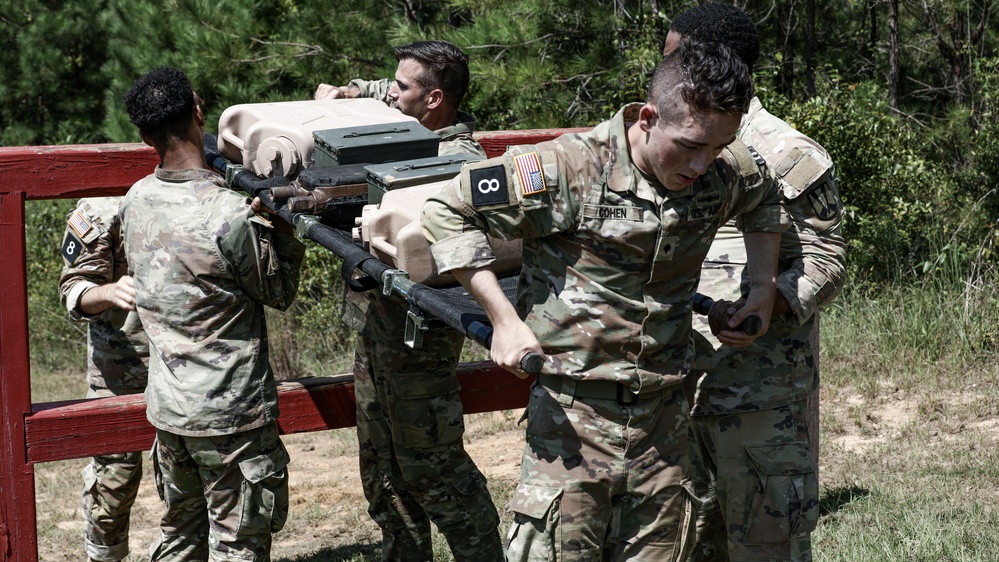
An alliance whose members cannot share ammunition faces serious operational limitations. NATO recognized this early and established standardization agreements (STANAGs) covering ammunition, fuel, and other consumables. The decision was technically straightforward but politically complex, requiring members to accept common standards even when national industries preferred different specifications.
Standardization's benefits compound over time. Logistics simplify when any allied truck can deliver any allied unit's ammunition. Interoperability improves when forces can support each other without conversion. And industrial capacity becomes fungible; production in one country can supply forces in another. The decision to prioritize standardization over national preferences created alliance cohesion that purely political agreements could not achieve. As our understanding of military readiness demonstrates, logistics standardization directly enables operational flexibility.
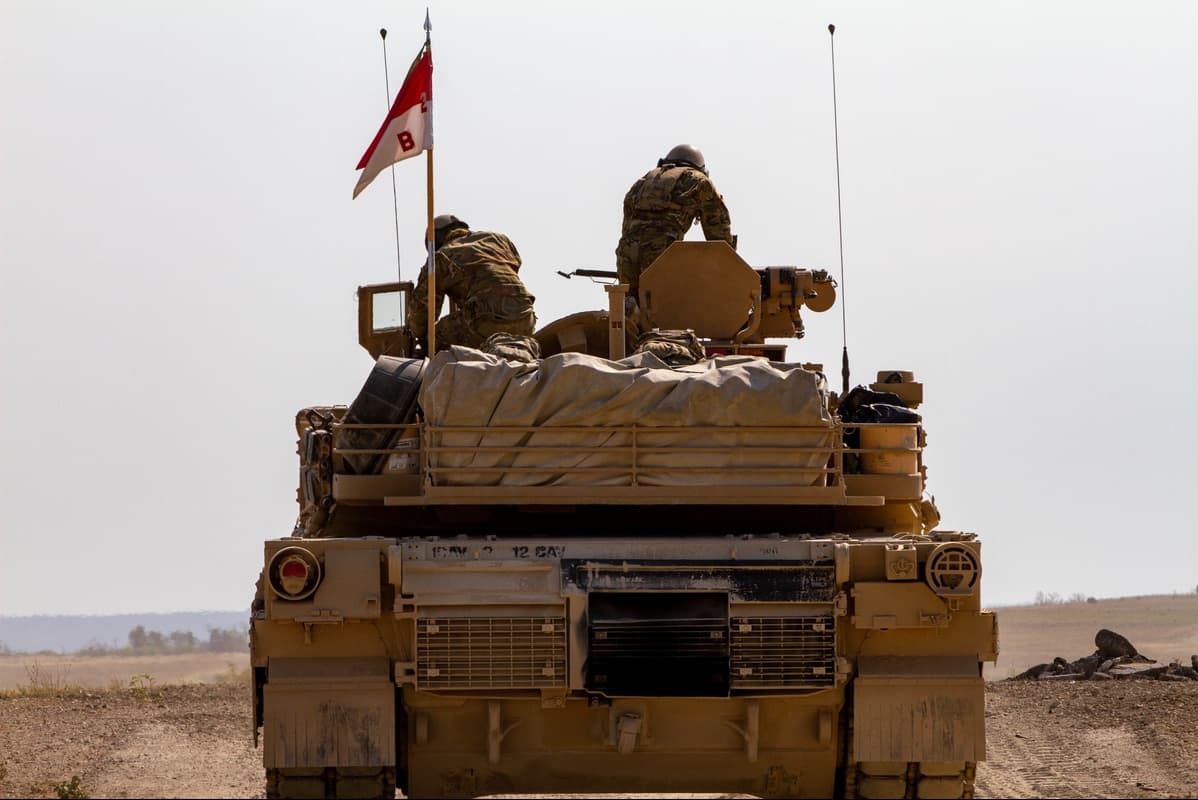
9. The M1 Abrams Tank: Turbine Engine Gamble
When the U.S. Army selected a gas turbine engine for the M1 Abrams, critics warned about fuel consumption, reliability, and maintenance complexity. Advocates argued the turbine provided superior power-to-weight ratio, better cold-weather starting, and multi-fuel capability. The decision was controversial, and decades later, most other nations' tanks use diesel engines.
The turbine's effects proved mixed. The M1's acceleration and speed exceeded contemporary designs. But fuel consumption required larger logistics trains. Desert operations exposed the turbine's vulnerability to sand ingestion. And maintenance complexity increased support requirements. Whether the tradeoff was correct remains debatable, but the decision illustrates how powerplant choices - seemingly technical details - cascade through logistics, tactics, and force structure for the platform's entire service life.
10. The Decision to Develop Stealth Aircraft
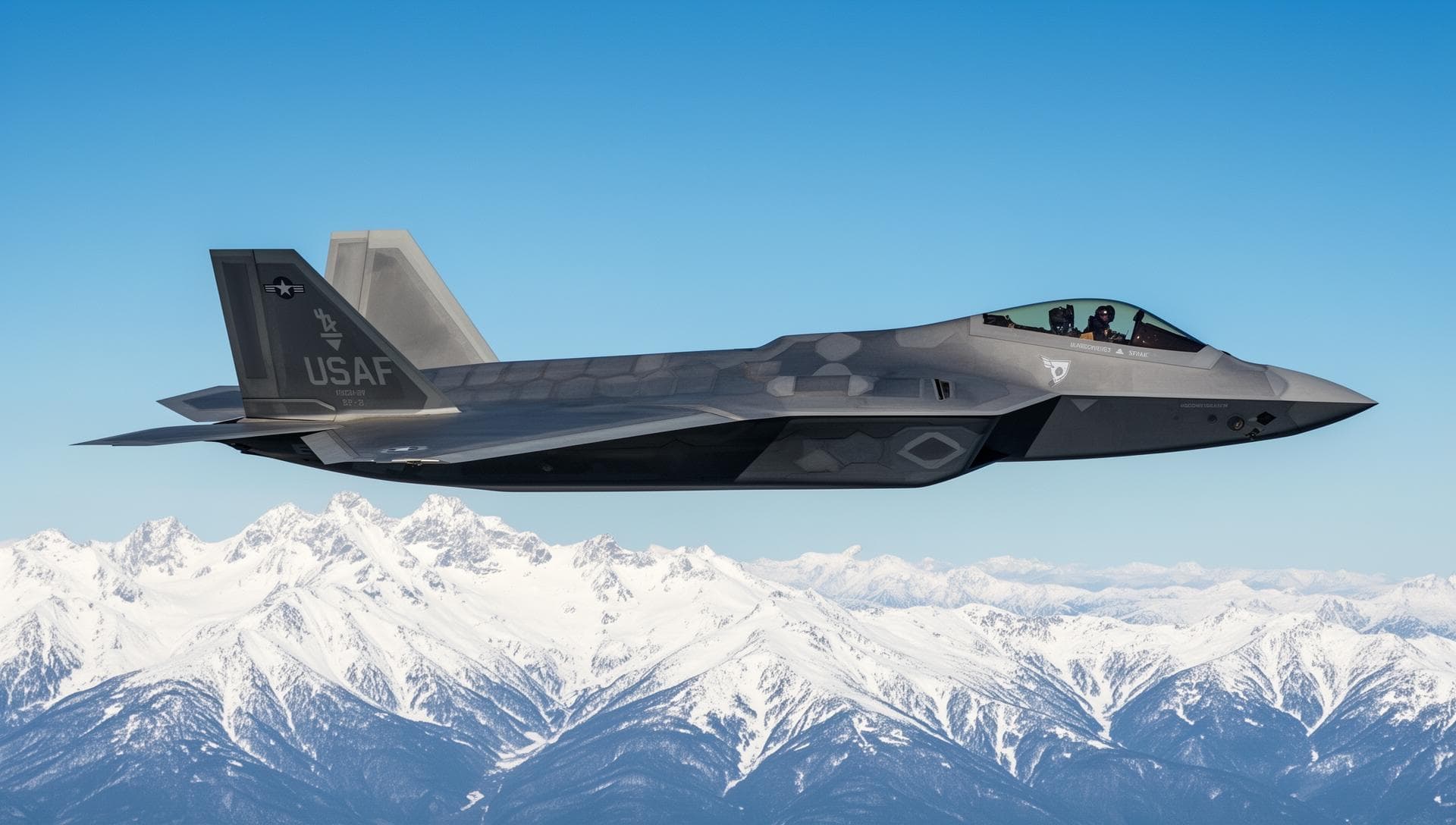
Stealth technology, the art of reducing aircraft radar signatures, required massive investment before anyone knew whether it would work operationally. The decision to fund "black" programs developing stealth aircraft in the 1970s represented a bet that air defense systems would become so effective that conventional aircraft survivability would decline unacceptably. The bet proved correct, though not immediately.
The F-117's success in Desert Storm validated stealth's operational utility, but the technology's full impact emerged gradually. Stealth changed not just aircraft design but the entire calculus of air defense. It influenced adversary investments in counter-stealth technologies. It shaped alliance relationships, with stealth aircraft availability becoming a key American contribution. And it created new questions about export policy - should stealth be shared with allies? The decision to develop stealth created capabilities that reshaped air warfare's fundamental dynamics.
11. Germany's Leopard 2 Export Strategy
Unlike the United States, which restricted M1 Abrams exports for decades, Germany aggressively marketed the Leopard 2 to allies and partners. The decision reflected German industry's need for export revenue but also created strategic effects. Leopard 2 operators became invested in German defense industrial relationships. Common equipment enabled interoperability within Europe. And the export revenue sustained production lines that maintained Germany's tank-building capability.
The strategy's success contrasted with American M1 export restrictions, which protected technology but ceded market share. When the United States eventually liberalized M1 exports, it found the Leopard 2 had already established dominant positions in many markets. The decision illustrated how export policy shapes not just sales but alliance relationships and industrial base sustainability.
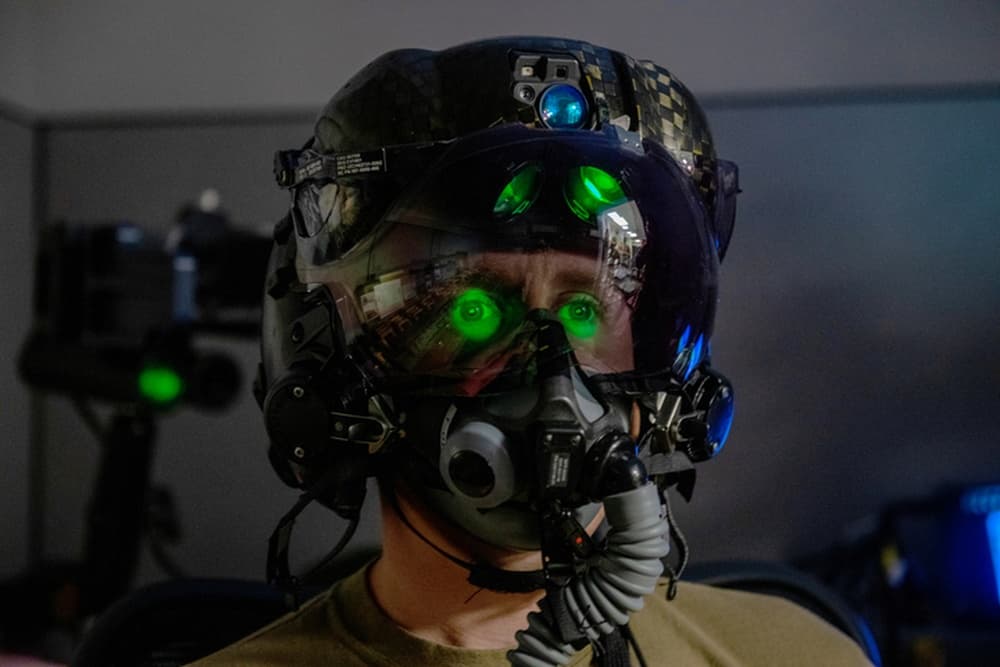
12. Prioritizing Helmet-Mounted Displays
Early fighter helmet-mounted displays (HMDs) were expensive, unreliable, and limited in capability. The decision to continue investing despite these problems, rather than waiting for technology to mature, paid dividends as capabilities improved. By the time HMDs became operationally essential for systems like the F-35, decades of development had refined the technology.
HMDs now enable pilots to cue weapons and access information without looking at cockpit displays. They transform situational awareness and weapons employment. But this capability required sustained investment through periods when the technology underperformed. The decision exemplifies how discontinuous, impatient development (starting and stopping programs based on immediate results) can forfeit advantages that patient investment achieves.
Training and Personnel Decisions
13. The All-Volunteer Force Decision (1973)
After Vietnam, the United States abolished conscription and transitioned to an all-volunteer military. The decision was driven by political opposition to the draft, economic arguments that volunteers would be more productive, and military frustration with conscript quality and morale. The transition was rocky (early recruiting struggled) but eventually succeeded.
The all-volunteer force transformed American military capability. Longer enlistments enabled greater training investment. Professional soldiers could be deployed repeatedly without the political constraints conscription imposed. And military culture became distinctly professional rather than citizen-soldier. But the decision also created challenges: personnel costs consume larger budget shares, the military became less representative of society, and the political calculus of military operations shifted when only volunteers faced danger.
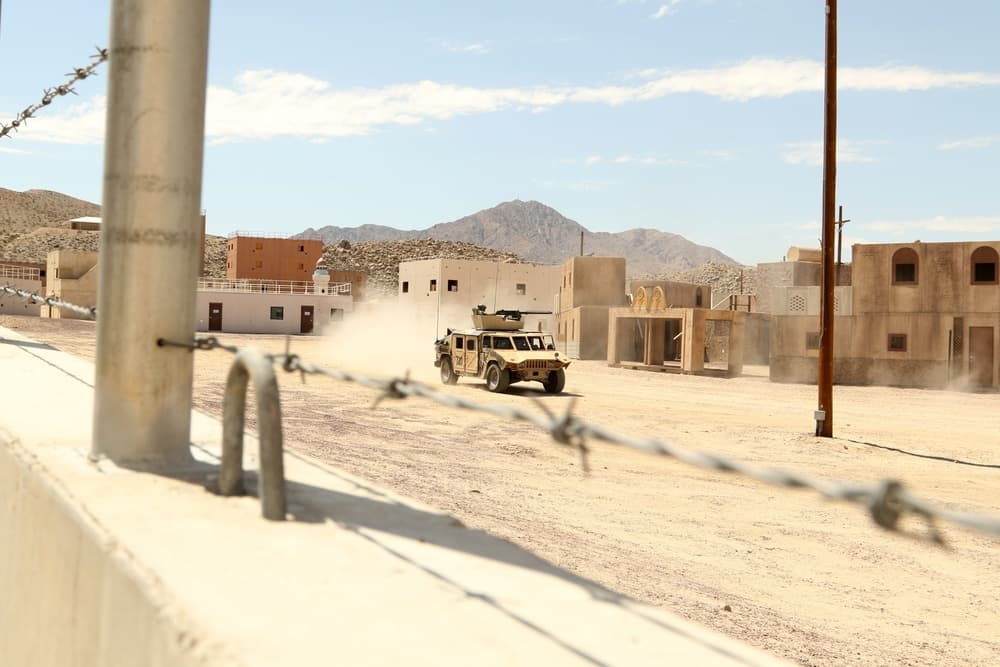
14. Establishing the National Training Center (1981)
The National Training Center (NTC) at Fort Irwin represented a different approach to Army training. Instead of evaluating units at their home stations, entire brigades deployed to the Mojave Desert to fight realistic battles against a dedicated opposing force trained in Soviet tactics. Performance was rigorously measured and feedback was unflinching. The experience was often humbling.
NTC's impact on Army combat effectiveness is difficult to overstate. Units that had been confident in their proficiency discovered gaps no previous training had revealed. The "fight tonight" assumption (that units were ready for combat without additional preparation) was replaced by realistic assessment of what preparation required. NTC rotations became the gold standard for readiness, and the model was replicated in the Joint Readiness Training Center for light forces and eventually extended to other services.
15. The Navy's Top Gun Program
The Navy's dismal air-to-air performance early in Vietnam (kill ratios far below Korean War standards despite technological advantages) prompted investigation. The answer was not better missiles but better training. Top Gun, the Navy Fighter Weapons School, provided intensive air combat maneuvering training that transformed pilot proficiency.
The decision to invest in realistic training rather than (or in addition to) better equipment proved transformative. Navy kill ratios improved dramatically after Top Gun's establishment. The program demonstrated that human factors (skill, judgment, tactical awareness) often matter more than platform specifications. The Air Force eventually established its own aggressor programs, and the emphasis on realistic training became institutionalized across services.
16. Extending Pilot Training Pipelines
Training fighter pilots is expensive and time-consuming. Pressure to reduce training duration (saving money and filling cockpits faster) has been constant. The decision to resist this pressure, maintaining lengthy training pipelines despite costs, reflected recognition that under-trained pilots are worse than no pilots at all.
Long training pipelines enable syllabus completion regardless of individual learning pace. They allow for washouts without immediate readiness impact. They build foundations that subsequent training reinforces. And they create shared standards across year-groups. The decision to prioritize training quality over quantity shaped pilot proficiency in ways that shorter pipelines could not replicate, even with more advanced simulators and technology.
17. Joint Professional Military Education Requirements
The Goldwater-Nichols Act (1986) mandated joint professional military education for officers seeking senior positions. The decision to require officers to understand other services' capabilities and perspectives - rather than remaining purely within their own service - reflected hard-won lessons about interservice cooperation failures.
Joint education requirements transformed how American officers think about military operations. Service parochialism, while not eliminated, became less institutionally acceptable. Officers developed networks across services that facilitated later cooperation. And the curriculum itself evolved to address genuinely joint challenges rather than service-specific concerns. The decision created human capital that enabled joint operations Desert Storm and subsequent conflicts required.
Logistics and Sustainment Decisions
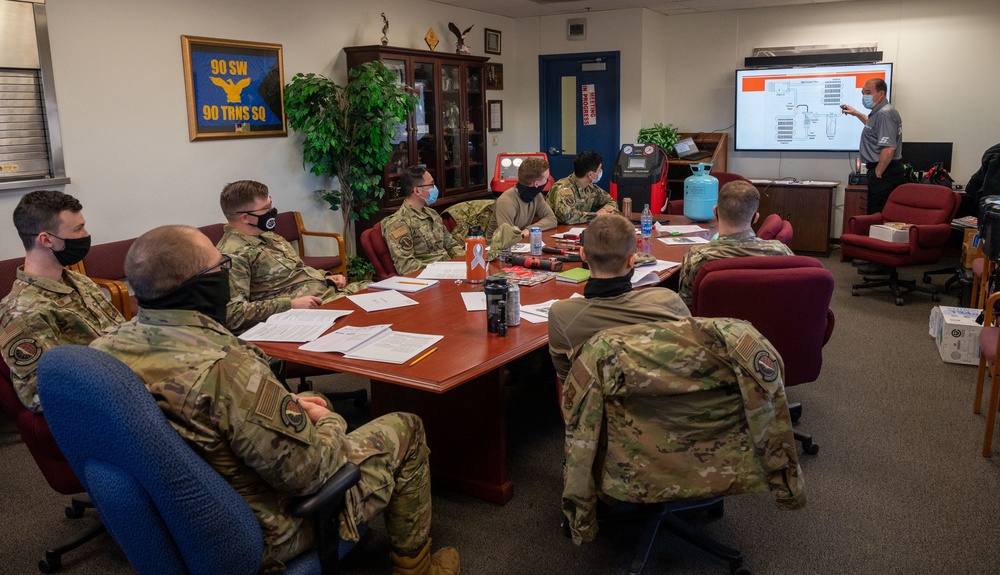
18. Prepositioning Equipment in Europe and Asia
Transporting heavy equipment across oceans takes time - time that might not be available in a crisis. The decision to preposition Army equipment sets in Europe and later in Asia accepted substantial costs (storing, maintaining, and periodically updating equipment) in exchange for faster deployment capability. Forces could fly to prepositioned stocks rather than waiting for sealift.
Prepositioning shaped crisis response options for decades. Desert Shield's buildup was accelerated by equipment drawn from prepositioned stocks. But prepositioning also created commitments - the equipment was configured for specific scenarios and not easily repurposed. And the costs of maintaining equipment in storage, particularly in harsh climates, accumulated over time. The decision reflected a specific assessment of threat timelines that subsequent strategic changes challenged.
19. Containerization of Military Logistics
Commercial shipping was revolutionized by standardized containers in the 1960s. The military's decision to adopt compatible systems - rather than maintaining separate, military-specific logistics - enabled leveraging commercial shipping capacity for military purposes. Container ships could deliver military cargo without specialized handling.
Containerization's effects were profound. Logistics velocity increased as handling time decreased. Commercial port infrastructure became militarily useful. And the military could surge capacity by chartering commercial vessels. The decision to align military logistics with commercial standards, rather than pursuing military-unique solutions, multiplied available capacity beyond what defense budgets could independently sustain.
20. Fuel Standardization Across Services
At various points, different military services used different fuels - different aviation fuels, different ground vehicle fuels, different specifications for similar purposes. The decision to standardize on single-fuel logistics, where operationally feasible, dramatically simplified supply chains. A single fuel type could supply aircraft, helicopters, and many ground vehicles.
Single-fuel logistics reduced storage requirements, simplified transportation, and decreased the likelihood of supplying the wrong fuel to the wrong platform. The concept never achieved complete implementation - some systems genuinely require specific fuels - but the drive toward standardization shaped both vehicle design and logistics infrastructure. Each platform using common fuel contributed to a logistics system easier to sustain in combat.
21. The Decision to Maintain Ammunition Stocks Above Peacetime Needs
Ammunition is expensive to produce, store, and maintain. Peacetime consumption for training is a fraction of wartime expenditure. The decision to maintain war reserve stocks - ammunition above peacetime needs, stored for contingencies - required sustained budget commitments that competed with other priorities.
This decision's wisdom became apparent whenever conflict erupted. Forces with adequate reserves could sustain operations while production ramped up; forces without faced ammunition rationing during critical periods. The decision to invest in unglamorous stockpiles rather than visible combat systems exemplified how logistics preparations, invisible until needed, determine what operations are possible.
22. Contract Logistics Support for Complex Systems
As weapon systems became more complex, the decision to rely on contractor logistics support (CLS) for maintenance and sustainment rather than developing organic military capability represented a significant shift. Contractors could provide specialized expertise that military technicians, rotating through assignments, could not sustain.
CLS enabled operation of systems too complex for traditional military maintenance. But it created dependencies - contractors might not deploy to combat zones, and their availability depended on contract terms rather than military necessity. The decision traded capability depth for capability breadth, accepting that some systems would require civilian support infrastructure that constrained their employment.
Naval Warfare Decisions
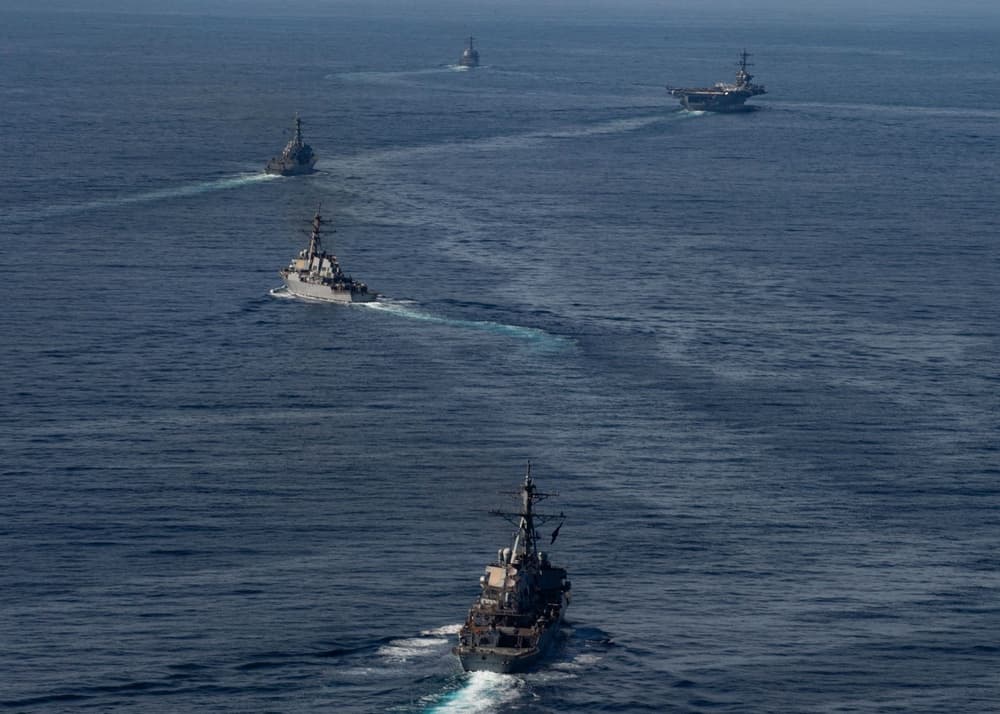
23. The Carrier-Centric Fleet Structure
After World War II, the U.S. Navy organized around aircraft carriers as the fleet's capital ships. This decision - contested by battleship advocates and later by missile proponents - concentrated striking power in aviation while relegating surface combatants to escort roles. The carrier-centric structure persisted despite technological changes that theoretically enabled alternatives.
Carrier dominance shaped naval aviation, ship design, and operational concepts for seven decades. It enabled power projection capabilities no other force structure could match. But it also concentrated risk - carrier vulnerability to anti-ship missiles became a persistent concern - and consumed resources that constrained other naval investments. The decision represented a bet on aviation's continued primacy that subsequent developments have both validated and challenged.
24. Nuclear Propulsion for Submarines
Admiral Hyman Rickover's advocacy for nuclear-powered submarines transformed underwater warfare. Nuclear propulsion enabled submarines to operate submerged indefinitely, limited only by crew endurance and food supplies. The decision to pursue nuclear propulsion - expensive, technically challenging, and requiring new infrastructure - created submarines qualitatively different from diesel-electric predecessors.
Nuclear submarines became strategic weapons (carrying ballistic missiles) and dominant anti-submarine platforms (hunting other submarines). The decision's effects extended beyond individual submarines to the entire submarine fleet structure, maintenance infrastructure, and personnel training. The investment in nuclear propulsion created capabilities that diesel submarines could not match, justifying costs that seemed excessive at the time.
25. The Aegis Combat System Investment
The Aegis combat system - integrating radar, fire control, and weapons into a coherent whole - represented massive investment in a capability that did not exist. Development took over a decade and consumed billions before producing operational ships. The decision to persist through development difficulties rather than accepting incrementally improved existing systems reflected confidence in what integrated combat systems could achieve.
Aegis transformed surface warfare. Ships could track hundreds of targets and engage dozens simultaneously. The system enabled both area air defense and ballistic missile defense missions. And Aegis became the basis for allied surface combatant capabilities as the system was exported. The decision to invest in revolutionary capability rather than evolutionary improvement created dominance that incremental development could not have matched.
26. Forward Basing in the Western Pacific
After World War II, the United States maintained forward bases in Japan, Korea, and later other Pacific locations. These bases reduced transit times for forces responding to Asian contingencies and demonstrated commitment to regional allies. The decision to maintain substantial peacetime presence - rather than relying on surge deployment - shaped both American and adversary planning.
Forward basing created operational advantages but also vulnerabilities. Bases close to potential adversaries could be targeted early in conflict. Their defense required resources that might otherwise deploy elsewhere. And their presence shaped alliance relationships in complex ways - providing reassurance but also creating dependencies and local friction. The decision embedded American power in the Pacific in ways that withdrawal would disrupt.
27. The Decision to Maintain Aircraft Carrier Strike Group Structure
Carriers do not operate alone; they deploy with escorts forming strike groups. The decision to maintain this structure - rather than dispersing escorts for other missions - reflected operational concepts emphasizing carrier-centered power projection. Strike groups provided layered defense and supporting capabilities that individual carriers lacked.
Strike group structure shaped surface combatant requirements, deployment patterns, and operational planning. It created naval forces optimized for particular missions - power projection against lesser adversaries - while accepting that the same structure might be less optimal against peer competitors with anti-access capabilities. The decision represented a choice about force employment that drove procurement and training for decades.
Air Power Decisions
28. Prioritizing Air Superiority Over Ground Support
The U.S. Air Force, since its independence in 1947, has prioritized air superiority as its primary mission. This cultural and doctrinal emphasis shaped procurement (favoring air-to-air fighters over ground attack aircraft), training (emphasizing air combat skills), and operational concepts (gaining air superiority before supporting ground forces). The priority reflected genuine strategic logic - without air superiority, other operations become prohibitively costly - but also institutional preferences.
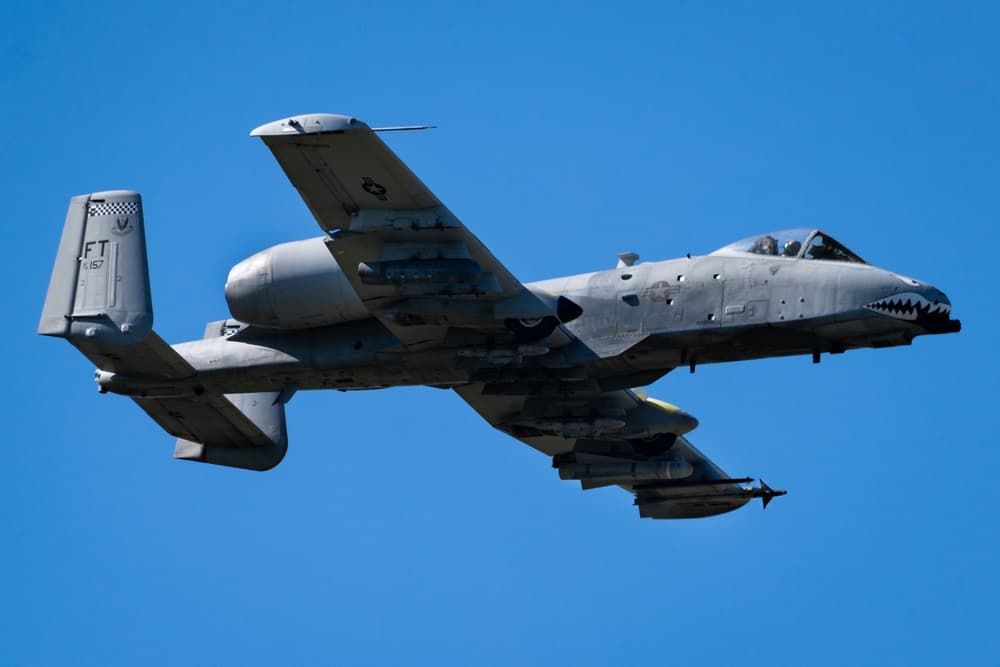
Air superiority emphasis created the world's most capable air-to-air forces but sometimes at the expense of capabilities ground commanders needed. The tension between air superiority advocates and close air support proponents persists, manifesting in debates about aircraft like the A-10. The decision reflected a particular theory of air power whose assumptions proved more valid in some conflicts than others.
29. The Multi-Role Fighter Concept
Early jet fighters were designed for specific missions: interceptors, air superiority, ground attack. The decision to develop multi-role aircraft - capable of performing multiple missions with configuration changes - reflected both budget pressures (fewer types reduce costs) and operational flexibility arguments. The F-4 Phantom pioneered this approach; modern fighters like the F-35 continue it.
Multi-role aircraft simplify logistics and training while accepting that specialized aircraft might excel in individual missions. The tradeoff - jack of all trades versus master of one - remains debated. Multi-role decisions shaped fleet composition, force structure, and expectations about what individual aircraft should accomplish. They also created aircraft whose cost and complexity sometimes exceeded what specialized platforms might have required.
30. Investment in Aerial Refueling Capability
Aerial refueling extends aircraft range beyond what fuel loads permit. The decision to invest heavily in tanker aircraft - boring converted airliners without weapons - reflected understanding that reach often matters more than firepower. Tankers enable fighters to operate from distant bases, bombers to strike targets continents away, and surveillance aircraft to remain on station indefinitely.
American tanker investment created global reach unmatched by any other air force. But the capability is also a vulnerability - tankers are large, slow, and lack defenses. Their destruction would cripple operations dependent on their support. The decision to invest in enabling capabilities rather than only combat platforms created options that raw combat power could not achieve, while also creating critical dependencies.
31. Integrating UAVs Into Air Operations
Unmanned aerial vehicles existed for decades before becoming operationally significant. The decision to accelerate UAV integration - treating them as serious combat systems rather than experimental toys - transformed air power. Predators and Reapers became essential tools for persistent surveillance and strike, particularly in counterinsurgency operations.
UAV integration raised questions about pilot culture, career paths, and the nature of air warfare itself. It created new capabilities - persistence no manned aircraft could match - while exposing limitations in contested environments where UAVs' vulnerabilities become significant. The decision to embrace UAVs reflected adaptation to particular operational demands that may not characterize future conflicts.
Ground Force Decisions
32. The Modular Brigade Combat Team Transformation
In the 2000s, the U.S. Army reorganized from division-centric to brigade-centric structure. Brigade Combat Teams (BCTs) became the primary deployable units, designed to operate independently with organic support capabilities. The decision reflected lessons from deployments where divisional structure proved unwieldy and global commitments requiring smaller, more numerous deployable units.
Modularity increased flexibility and deployment speed. BCTs could deploy to different theaters without the divisional overhead that complicated earlier operations. But modularity also created challenges: division headquarters atrophied as their subordinate units deployed independently, and some capabilities previously at division level became harder to access. The decision optimized for the conflicts the Army was fighting while potentially complicating preparation for different conflicts.
33. The MRAP Rapid Procurement Decision
When improvised explosive devices (IEDs) caused mounting casualties in Iraq and Afghanistan, the decision to rapidly procure Mine-Resistant Ambush Protected (MRAP) vehicles represented a dramatic shift from normal acquisition processes. The program bypassed usual requirements and testing procedures to field life-saving capability faster.
MRAPs saved lives - their V-shaped hulls deflected blast energy away from occupants more effectively than up-armored Humvees. But the rapid procurement also created challenges: multiple vehicle types with different spare parts, maintenance requirements, and operational characteristics. And the investment in IED-protected vehicles consumed resources that might have addressed other modernization needs. The decision prioritized immediate force protection over long-term force structure coherence.
34. Maintaining Armored Force Structure Post-Cold War
After the Cold War, many argued that heavy armored forces were obsolete - relics of a European tank battle that would never occur. Advocates for "transformation" pushed lighter, more deployable forces. The decision to maintain substantial armored capability despite these pressures reflected judgment that heavy forces remained relevant even if specific Cold War scenarios were not.
Desert Storm validated armored forces' utility against conventional adversaries. Subsequent operations confirmed that tanks provided capabilities lighter forces could not replicate. But maintaining armored forces also consumed resources and created deployment challenges. The decision represented a bet on continued relevance that subsequent events largely - though not entirely - validated.
35. The Stryker Interim Force Concept
Between heavy armored divisions and light infantry, the Army identified a gap: forces more deployable than armor but more capable than infantry. Stryker brigades, equipped with eight-wheeled armored vehicles, represented a deliberate choice to fill this niche. They could deploy faster than armored brigades and bring more firepower than infantry.
Stryker's utility proved context-dependent. In Iraq's urban environments, Stryker brigades performed effectively. Against conventional adversaries with anti-armor weapons, their survivability limitations became apparent. The decision reflected specific assumptions about future conflict that held in some situations and not others - illustrating how force structure choices optimize for expected scenarios while creating vulnerabilities in unexpected ones.
Command and Organization Decisions
36. The Goldwater-Nichols Defense Reorganization (1986)
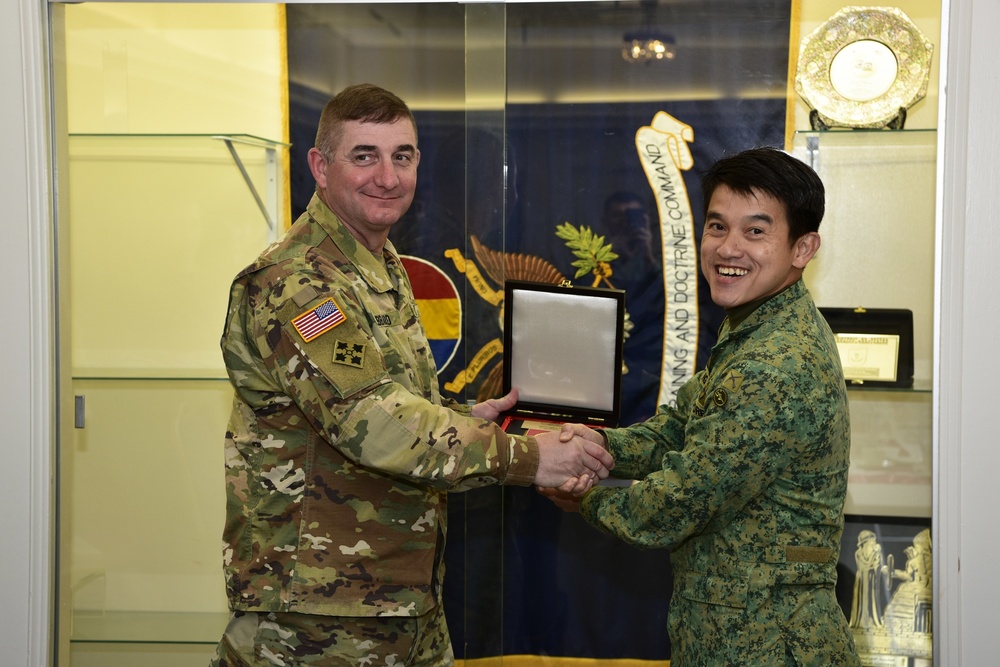
Goldwater-Nichols restructured American defense organization to strengthen the Chairman of the Joint Chiefs of Staff, empower unified combatant commanders, and mandate joint officer development. The legislation responded to decades of interservice rivalry that had hampered operations from World War II through Grenada.
The effects were profound. Combatant commanders gained authority to direct operations without service interference. Joint operations became expected rather than exceptional. And the military's culture shifted - slowly - toward genuinely joint thinking. Goldwater-Nichols did not eliminate service parochialism, but it created structures that channeled parochialism less destructively. The decision to impose joint requirements legislatively, rather than waiting for voluntary service cooperation, reflected recognition that institutions do not reform themselves.
37. Establishing U.S. Special Operations Command
Special operations forces existed before USSOCOM, but they lacked unified command and struggled for resources within conventional services. The decision to create a separate command for special operations - with its own funding line and acquisition authority - reflected lessons from Desert One (the failed Iran hostage rescue) and other special operations shortfalls.
USSOCOM transformed special operations from a neglected specialty into a premier capability. The command developed distinctive equipment, training, and doctrine without conventional service interference. And the post-9/11 era saw special operations become central to American military strategy in ways earlier periods had not anticipated. The decision to protect special operations institutionally enabled the capability expansion that followed.
38. Geographic Combatant Command Structure
The United States divided the world among geographic combatant commands (EUCOM, CENTCOM, PACOM, etc.), each responsible for military operations in its region. This decision - rather than organizing by function or capability - created persistent relationships with regional militaries and unified authority for regional operations.
Geographic commands simplified war planning and relationship management. A single commander owned responsibility for each region. But the structure also created boundaries that adversaries could exploit and complicated operations spanning multiple commands. The decision reflected a particular theory of how military operations relate to geography that subsequent developments - cyber operations, space, global strike - have complicated.
39. The Decision to Maintain Separate Military Services
Many countries maintain unified defense forces; the United States has separate Army, Navy, Air Force, Marine Corps, and Space Force. The decision to preserve service independence - rather than unifying into a single organization - reflected political, cultural, and functional considerations. Each service advocates for its unique capabilities and maintains distinctive cultures.
Separate services create competition that sometimes stimulates innovation - and sometimes generates wasteful duplication. They develop specialized expertise while sometimes failing to integrate effectively. Goldwater-Nichols partially addressed integration challenges while preserving service structures. The decision to maintain separation, modified by joint requirements, represents a compromise whose effects continue to shape American defense organization.
Technology Adoption Decisions
40. Adopting GPS for Military Navigation
The Global Positioning System began as a military program providing precise navigation and timing. The decision to develop satellite-based navigation - rather than relying on ground-based systems - required massive investment in space infrastructure but created capabilities no alternative could match.
GPS transformed military operations. Precision weapons became genuinely precise. Land navigation simplified dramatically. Coordination improved when all forces knew their exact locations. But dependence on GPS also created vulnerabilities - adversaries developed jamming and spoofing capabilities. The decision to embrace GPS enabled capabilities while creating a single point of failure that subsequent efforts have struggled to address.
41. Network-Centric Warfare Investments
In the 1990s and 2000s, the U.S. military invested heavily in networked operations - connecting sensors, shooters, and commanders to create shared situational awareness. The assumption was that better information would translate into better decisions and faster action. Enormous resources flowed into systems designed to create "information dominance."
Network-centric concepts delivered genuine improvements in coordination and targeting. But they also created dependencies on communications networks that adversaries could target. And the assumption that more information always improves decisions proved questionable - sometimes commanders drowned in data. As our analysis of Millennium Challenge 2002 demonstrates, network-centric assumptions faced serious challenges when stressed.
42. The Decision to Develop Night Vision Dominance
American forces invested systematically in night vision technology - goggles, weapon sights, vehicle systems - with the goal of "owning the night." The decision to treat darkness as an operational advantage rather than an obstacle shaped equipment procurement, tactics, and operational planning across services.
Night vision dominance created genuine asymmetric advantage against adversaries lacking equivalent technology. Operations that would have been impossible or extremely costly became routine. But the advantage eroded as night vision technology proliferated. The decision illustrated how technological investments can create temporary advantages that sustained dominance requires continuously refreshing.
43. Embracing Commercial Off-The-Shelf Technology
Traditional military procurement developed custom solutions for every requirement. The decision to embrace commercial off-the-shelf (COTS) technology - using commercial products with minimal modification - reflected recognition that commercial technology often outpaced military development and that custom solutions' costs exceeded their benefits.
COTS adoption accelerated technology insertion and reduced development costs. Commercial computers, radios, and sensors could be acquired faster than custom alternatives. But COTS also created cybersecurity vulnerabilities - commercial systems were not designed for adversarial environments - and supply chain concerns. The decision traded development control for speed and cost savings, a tradeoff with ongoing implications.
44. Delayed Adoption of Encryption for Tactical Communications
For decades, much tactical military communication was unencrypted - voice radio that anyone with appropriate receivers could monitor. The decision to delay universal encryption reflected equipment costs, training complexity, and operational concerns about encryption's effects on communication speed. Gradually, encryption became standard, but the transition took longer than many advocated.
Unencrypted communication exposed tactical information to adversaries with minimal technical sophistication. The eventual decision to require encryption for all tactical communications acknowledged this vulnerability but required massive equipment replacement and training investment. The delay illustrated how known vulnerabilities can persist when addressing them conflicts with immediate operational convenience.
Additional Strategic Decisions
45. The Two-War Standard
For decades, American force structure was sized to fight two major regional conflicts simultaneously - or nearly so. This "two-war standard" drove procurement quantities, force structure, and readiness requirements. The decision reflected Cold War assumptions about potential simultaneous conflicts in Europe and Asia.
The two-war standard provided a rational basis for force sizing but became increasingly questioned after the Cold War. Critics argued it was either too much (simultaneous major wars were implausible) or too little (it assumed rapid victory in each conflict). The decision's persistence reflected bureaucratic and political factors as much as strategic logic - changing the standard would require politically difficult force structure cuts.
46. Acceptance of Lower Readiness for Quantity
Military forces face a fundamental tradeoff between quantity and readiness. More units can be maintained if each is less ready; fewer units can be kept at higher readiness. The decision about where to balance this tradeoff shapes what is immediately available versus what can be generated over time.
Different eras have struck different balances. The post-Vietnam hollow force prioritized quantity over readiness, with damaging effects. Later periods emphasized readiness even at the cost of force structure. The decision is never permanent - budgets, threats, and operational demands continuously shift the balance. Understanding this tradeoff explains much about what forces can and cannot do at any given moment.

47. The Decision to Maintain Forward-Deployed Forces
The United States maintains substantial military forces overseas - in Europe, Asia, and the Middle East. The decision to maintain peacetime forward presence, rather than relying on crisis deployment from the continental United States, reflected assumptions about deterrence, assurance, and response time.
Forward deployment provides rapid response capability and reassures allies of American commitment. But it also creates costs - personnel and families stationed overseas, infrastructure maintenance, and political complications from foreign basing. The decision to maintain forward presence represents a particular theory about how military power translates into political effect that alternatives (offshore balancing, fortress America) would approach differently.
48. Alliance Standardization Beyond Ammunition
NATO standardization extended beyond ammunition to include communications protocols, operating procedures, and tactical terminology. The decision to invest in comprehensive standardization - rather than just equipment compatibility - reflected understanding that interoperability requires human and procedural alignment, not just technical compatibility.
Procedural standardization enabled forces from different nations to operate together with minimal friction. Common terminology reduced misunderstanding. Shared procedures meant that units could integrate without extensive pre-operation training. The decision to prioritize the unglamorous work of procedural standardization created alliance capability that equipment compatibility alone could not achieve.
49. The Decision to Emphasize Force Protection
American military culture increasingly emphasized force protection - minimizing casualties through protective equipment, rules of engagement, and operational approaches prioritizing safety. This decision reflected political sensitivity to casualties, advances in protective technology, and genuine moral concern for service members' wellbeing.
Force protection emphasis saved lives and improved morale. But critics argued it sometimes constrained operational effectiveness - excessive caution limiting what forces could accomplish. The decision reflected a particular balance between risk acceptance and casualty avoidance that other militaries might strike differently. It also created expectations among service members and their families that subsequent operations were obligated to meet.
50. Maintaining Industrial Base Capacity
Military industrial capacity cannot be created quickly; skills, tooling, and supply chains take years to develop. The decision to maintain industrial base capacity even during peacetime - accepting inefficiency to preserve capability - reflected understanding that surge production in wartime requires foundations laid in peace.
Industrial base decisions shaped what could be produced when needed. Allowed to atrophy, capabilities could not be regenerated on demand. Maintained at cost, they provided options that just-in-time approaches could not. The decision to accept peacetime inefficiency for wartime optionality represented strategic investment invisible until crisis revealed its value.
What These Decisions Have in Common
Examining fifty decisions across domains, eras, and nations reveals patterns that transcend individual choices. These patterns illuminate how military institutions think, what constraints they face, and why some decisions prove more consequential than others.
| Decision Example | Domain | Intended Outcome | Long-Term Effect |
|---|---|---|---|
| AirLand Battle Doctrine | Doctrine | Counter Soviet numerical advantage | Shaped Desert Storm victory, influenced NATO allies |
| NATO Ammunition Standardization | Logistics | Enable allied resupply | Created alliance cohesion, simplified supply chains |
| National Training Center | Training | Realistic combat preparation | Transformed Army combat effectiveness |
| Goldwater-Nichols Act | Organization | Improve joint operations | Enabled effective multi-service warfare |
| Stealth Aircraft Investment | Technology | Survive advanced air defenses | Reshaped air warfare fundamentals |
| NCO Professionalization | Personnel | Develop junior leaders | Enabled decentralized operations |
| Equipment Prepositioning | Logistics | Accelerate deployment | Shaped crisis response options for decades |
| Carrier-Centric Fleet | Naval | Project power globally | Defined American naval identity |
Assumption-driven planning shapes options. Every decision rested on assumptions about threats, technology, and operations. When assumptions proved correct, decisions succeeded; when wrong, they created problems their makers never anticipated. The most consequential decisions were those whose assumptions aligned with reality - or could adapt when reality proved different.
Tradeoffs between readiness and modernization are unavoidable. Resources spent maintaining current capability cannot simultaneously invest in future capability. Every generation faced this tradeoff and struck different balances. Understanding that the tradeoff exists - that readiness and modernization compete - explains tensions that otherwise seem like institutional pathology.
Human factors routinely outperform technology. The decisions with greatest impact often involved people - training, organization, leadership development - rather than equipment. Technology multiplies what trained, organized humans can accomplish; it cannot substitute for their absence. Decisions that invested in human capital frequently produced returns exceeding technology investments.
Logistics shapes outcomes more than firepower. Glamorous combat platforms attract attention, but unglamorous logistics decisions often proved more consequential. Forces that could sustain operations outlasted those with superior equipment but inferior sustainment. Decisions about supply chains, prepositioning, and standardization determined what combat forces could actually accomplish.
Incremental change frequently outperforms radical change. Revolutionary programs often failed or underperformed; evolutionary improvements to existing systems frequently delivered more capability more reliably. The decisions that sustained continuous improvement - investing in upgrades, training enhancements, and procedural refinements - often outperformed dramatic transformations.
Key Takeaways
- ▸ Military capability is the product of thousands of decisions interacting over decades. No single choice, however important, determines outcomes independently.
- ▸ The most consequential decisions often involved unglamorous domains: logistics, training, organization, and procedures rather than combat platforms.
- ▸ Assumptions embedded in decisions persist long after the conditions that justified them change. Institutional memory is both strength and limitation.
- ▸ Every decision accepts tradeoffs; optimization for one scenario creates vulnerabilities in others. Understanding what was traded away explains limitations.
- ▸ Human capital investments - training, education, professional development - frequently outperform equipment investments in generating combat effectiveness.
- ▸ Standardization creates alliance cohesion that political agreements alone cannot achieve. Interoperability requires sustained, unglamorous investment.
- ▸ Logistics determines what is operationally possible. Combat power exists only where and when logistics can sustain it.
- ▸ Decisions to maintain capability during peacetime enable options during crisis that just-in-time approaches cannot provide.
- ▸ Institutional reforms often require external forcing functions - legislation, crisis, or exceptional leadership - because institutions do not reform themselves.
- ▸ Technology creates opportunities that doctrine must exploit; technology without appropriate doctrine underperforms its potential.
- ▸ Forward investment in research creates options; waiting until needs are apparent forfeits the development time required to create solutions.
- ▸ Realistic training transforms paper capability into actual proficiency. What units have never practiced, they cannot reliably execute.
- ▸ The decisions that shape military power are made by people who cannot know what challenges their successors will face. Foresight has limits; adaptability compensates.
Modern warfare was not shaped primarily by dramatic battles or revolutionary weapons. It was shaped by hundreds of decisions - about doctrine, procurement, training, organization, logistics, and technology - that individually seemed incremental but collectively transformed what military forces could accomplish. Understanding these decisions illuminates not just military history but the ongoing process through which military capability is created, sustained, and sometimes squandered.
The decisions examined here span decades and domains, but they share common features. They addressed genuine problems, accepted unavoidable tradeoffs, and produced consequences - intended and otherwise - that persisted long after the decision-makers moved on. They were made by people operating with imperfect information about threats, technologies, and future operations. And they embedded assumptions that sometimes proved prophetic and sometimes created vulnerabilities their makers never anticipated.
Contemporary military forces remain products of decisions made years and decades ago. The platforms in service, the doctrine guiding their employment, the training preparing their crews, and the logistics sustaining their operations all reflect choices made under conditions that no longer exist. Understanding this heritage - what was decided, why, and with what effect - provides essential context for evaluating current capabilities and future investments.
The decisions being made today will similarly shape military power for decades to come. Whether those decisions prove wise depends on the same factors that determined past success: accurate assumptions, appropriate tradeoffs, investment in human capital, attention to logistics, and the humility to recognize that the future will differ from expectations. The past offers no guarantees but provides patterns worth understanding.