When defense officials discuss military readiness, the term often appears in headlines without much explanation. Politicians invoke it to argue for increased budgets. Analysts cite it when assessing military balance. Yet despite its frequent use, readiness remains one of the most misunderstood concepts in defense discourse.
The confusion begins with a fundamental misconception: that readiness simply means having equipment and personnel. Many observers assume that if a military possesses a certain number of tanks, aircraft, or ships (and has soldiers assigned to operate them) it must be "ready." This assumption underlies countless analyses that compare military power by counting assets, as if inventory alone determines effectiveness.
In reality, readiness is far more complex. It is not a single metric but a multidimensional assessment of whether forces can actually perform assigned missions within specified timeframes. A unit might have every aircraft on its roster, every pilot position filled, and every maintainer at work, yet still lack the training currency, spare parts, or logistical support needed to conduct sustained combat operations. Possession is not the same as readiness.
Readiness is also perishable. Unlike capability, which can be acquired and retained relatively durably (a fighter aircraft's performance characteristics don't change much over months), readiness requires constant investment to maintain. Personnel rotate and must be retrained. Equipment wears out and must be maintained. Skills atrophy without practice. Supplies get consumed and must be replenished. Stop the continuous flow of resources, and readiness erodes, sometimes rapidly.
This article provides a comprehensive explanation of military readiness: what it actually means, how it differs from capability, how it is assessed and measured, why it costs so much to sustain, and why it often matters more than the headline numbers that dominate public discourse. Understanding readiness is essential for anyone seeking to assess military power honestly, beyond the superficial comparisons that often substitute for genuine analysis.
1. What Military Readiness Is (And Is Not)
Military readiness is the ability of a unit, system, or force to execute its assigned missions within a specified timeframe and at an acceptable level of performance. This definition contains several important elements that distinguish readiness from simpler concepts like inventory or strength.
First, readiness is tied to specific missions. A unit might be highly ready for one type of operation but unprepared for another. An infantry battalion trained extensively for urban warfare may need significant additional preparation for operations in mountainous terrain. An air defense battery optimized for cruise missile threats may require different configurations and training to counter ballistic missiles. Readiness is not a generic quality but rather a mission-specific assessment.
Second, readiness includes a time dimension. Forces can be ready to deploy immediately, within days, within weeks, or within months. Higher readiness levels (those allowing faster response) typically cost more to maintain and may be sustainable only for limited periods. A force kept at the highest readiness level for extended periods will eventually burn out its personnel and equipment.
Third, readiness involves integration. Individual elements (personnel, equipment, training, logistics) must work together as a functioning whole. A unit might have adequate personnel and functioning equipment yet lack the training to employ them effectively together. Conversely, highly trained crews mean little if their equipment is grounded for lack of parts.
Readiness vs. Capability
The distinction between readiness and capability is crucial yet frequently confused. Capability refers to what a force can theoretically do, its inherent potential based on equipment, doctrine, organization, and design. Readiness refers to whether that force can actually perform those functions right now, given current personnel, training, equipment status, and supplies.
Consider an analogy: a commercial airliner has the capability to fly across the Atlantic Ocean. Whether it is ready to depart right now depends on whether it has been fueled, inspected, crewed with qualified pilots, provisioned with supplies, and cleared for the specific route. The aircraft's capability hasn't changed, but its readiness fluctuates based on current conditions.
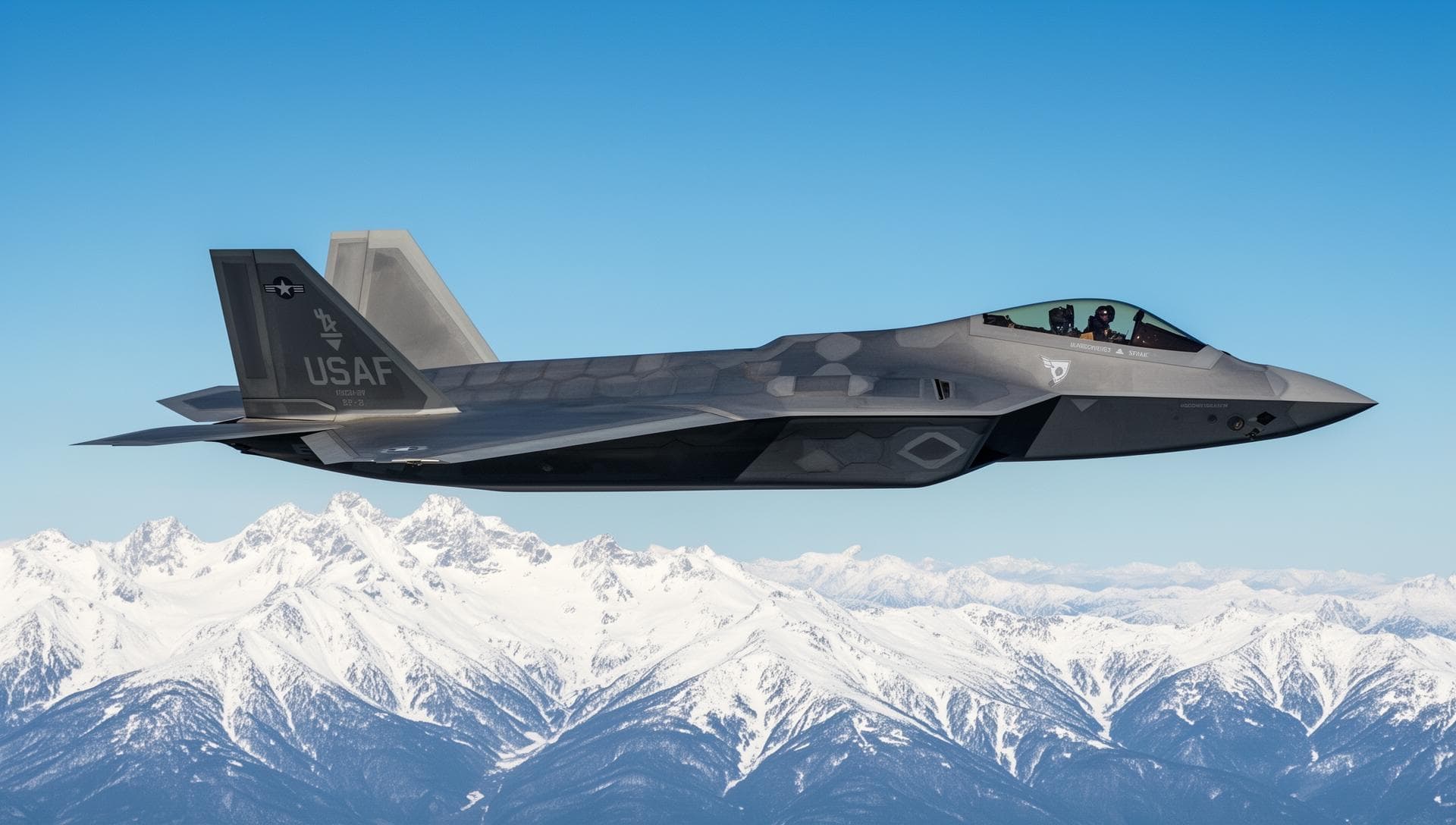
Military forces exhibit the same pattern. A fighter squadron might have highly capable aircraft (latest avionics, advanced weapons, superior performance) yet be unable to generate combat sorties because too few aircraft are mission-capable, pilots lack recent flight hours, or the unit is short of critical munitions. The capability exists on paper; the readiness does not exist in practice.
| Dimension | Capability | Readiness | Readiness Over Time |
|---|---|---|---|
| Definition | What a force can theoretically do | Whether it can perform right now | How readiness changes without investment |
| Basis | Equipment, doctrine, organization | Personnel, training, maintenance, supply | Continuous resource inputs required |
| Durability | Relatively stable once acquired | Perishable; requires constant effort | Decays without sustained attention |
| Measurement | Technical specifications, force structure | Availability rates, training metrics | Trend analysis, sustainability projections |
| Example | F-35 can carry X weapons, fly Y range | How many F-35s can launch today | Sortie rate sustainable for weeks/months |
Why Readiness Is Perishable
Unlike a piece of equipment sitting in storage, readiness cannot simply be acquired and kept indefinitely. It degrades naturally unless continuously sustained:
- Personnel turnover: Experienced operators and maintainers rotate to new assignments, retire, or separate from service. Their replacements require training to reach equivalent proficiency.
- Skill atrophy: Perishable skills like flying, marksmanship, and tactical decision-making degrade without regular practice. Pilots who don't fly lose currency. Crews who don't train together lose cohesion.
- Equipment wear: Operational equipment degrades through use. Aircraft accumulate flight hours. Vehicles require maintenance. Weapons systems need calibration and refurbishment.
- Supply consumption: Ammunition, fuel, spare parts, and other consumables must be continuously replenished. Stockpiles drawn down in training or operations must be rebuilt.
- Doctrine evolution: As threats and tactics evolve, previously adequate training may become obsolete. Units must adapt to remain effective against current challenges.
This perishability means readiness cannot be "banked" in advance and drawn upon later. A military that reduces training, defers maintenance, or under-invests in sustainment will see readiness decline, often faster than leaders anticipate.
2. The Core Dimensions of Military Readiness
Military readiness is typically assessed across several interconnected dimensions. While different armed forces use varying terminology and frameworks, most readiness assessment systems evaluate similar fundamental categories.
Personnel Readiness
Personnel readiness encompasses both quantity and quality of assigned personnel. Quantitatively, this means having sufficient numbers of people in each specialty to perform unit functions. Qualitatively, it means those people possess current training, proper certifications, and the experience needed for their roles.
Personnel readiness gaps take many forms: unfilled positions, personnel present but not fully trained, specialists assigned but lacking current certifications, or experienced personnel departing faster than replacements can be trained. A unit might be "fully manned" on paper yet have significant personnel readiness shortfalls if many assigned individuals are not yet qualified for their positions.
Equipment Readiness
Equipment readiness measures whether assigned equipment is available and functional for mission use. The key metric is typically "mission capable rate," the percentage of equipment able to perform at least one assigned mission at any given time.
Equipment readiness depends heavily on maintenance capacity and spare parts availability. When maintenance backlogs grow or critical parts become scarce, mission capable rates decline. Some equipment may be technically functional but awaiting specific components needed for particular missions, creating partial readiness conditions.
Training Readiness
Training readiness assesses whether personnel and units have completed the training necessary to perform their missions. Individual training ensures each person can perform their assigned duties. Collective training ensures teams and units can function together effectively.
Training readiness is particularly susceptible to erosion. When operational tempo increases, training often gets deferred. When budgets tighten, training is frequently among the first areas reduced. Yet training shortfalls compound over time; gaps in basic skills make advanced training less effective, and units that don't train together lose the coordination essential for complex operations.
Sustainment and Logistics Readiness
Sustainment readiness evaluates whether the supply chains, maintenance capacity, and logistical infrastructure exist to support operations over time. A unit might be ready to begin operations immediately yet unable to sustain them beyond initial days or weeks.
This dimension is often underappreciated in public discussions of military readiness. Combat forces may appear ready based on immediate indicators, but their effectiveness depends critically on less visible sustainment capacity: the ability to deliver fuel, ammunition, spare parts, medical support, and other necessities to forces in the field.
Command and Organizational Readiness
Command readiness assesses whether leadership structures, command and control systems, and organizational processes function effectively. This includes headquarters staffs, communications systems, planning capacity, and the ability to coordinate across multiple units and domains.
Organizational readiness is harder to measure than equipment counts but equally important. A well-equipped force with dysfunctional command structures will perform poorly. Conversely, effective organizations can sometimes compensate for equipment or personnel shortfalls through superior coordination and decision-making.
| Readiness Dimension | What Is Measured | Common Gaps |
|---|---|---|
| Personnel | Fill rates, qualification status, experience levels | Unfilled positions, unqualified personnel, retention problems |
| Equipment | Mission capable rates, availability, functionality | Maintenance backlogs, parts shortages, aging systems |
| Training | Individual/collective training completion, currency | Deferred training, expired certifications, skill atrophy |
| Sustainment | Supply levels, logistics capacity, support infrastructure | Depleted stocks, supply chain vulnerabilities, limited lift |
| Command/Organization | C2 systems, staff capacity, coordination ability | Headquarters gaps, communication failures, planning delays |
3. How Readiness Is Measured
Measuring military readiness is inherently challenging. Unlike physical characteristics that can be directly observed and quantified, readiness involves complex judgments about whether forces can accomplish diverse missions under varying conditions. Military organizations have developed sophisticated assessment systems, but all face fundamental measurement limitations.
Quantitative Indicators
Most readiness assessment systems rely heavily on quantitative metrics that can be tracked systematically:
- Personnel fill rates: Percentage of authorized positions actually filled with assigned personnel.
- Mission capable rates: Percentage of equipment available for mission use at any given time.
- Training completion rates: Percentage of required individual and collective training events completed.
- Supply levels: Inventory of critical supplies as percentage of required levels.
- Flight hours/steaming days: Actual operational activity compared to programmed levels.
These metrics provide objective, trackable data that can be aggregated across large organizations and compared over time. However, they capture only what can be easily measured, potentially missing critical qualitative factors.
Qualitative Assessments
Quantitative metrics are supplemented by qualitative assessments, including commander evaluations, inspector observations, and exercise performance reviews. These assessments attempt to capture elements that numbers alone cannot convey:
- Unit morale and cohesion
- Leadership quality and experience
- Tactical proficiency and judgment
- Adaptability and problem-solving ability
- Integration across different elements
Qualitative assessments rely on expert judgment, which introduces subjectivity. Different evaluators may reach different conclusions about the same unit. Institutional pressures may influence how candidly problems are reported.
Readiness Reporting Systems
Military organizations aggregate these measurements into formal readiness reporting systems. In the U.S. military, the Defense Readiness Reporting System (DRRS) collects unit-level readiness data and provides visibility to commanders at multiple echelons. Units report against standardized categories, typically receiving overall ratings (often C-1 through C-4, with C-1 being highest readiness).
These systems serve essential purposes: they enable senior leaders to monitor force-wide readiness, identify emerging problems, allocate resources, and make deployment decisions. However, the aggregation process inevitably loses detail. A unit might receive an adequate overall rating despite serious deficiencies in specific areas.
Readiness Assessment Flow
Equipment status
Training records
Supply inventories
Commander evaluation
Category ratings
Shortfall identification
Major command view
Trend analysis
Comparative assessment
Resource allocation
Training priorities
Risk assessment
Why Metrics Are Imperfect
Every readiness measurement system has inherent limitations:
- Measurement lag: Data collection and reporting take time. The readiness picture visible to senior leaders may reflect conditions days or weeks old.
- Gaming incentives: When units are evaluated on specific metrics, there are incentives to optimize for those measures, sometimes at the expense of unmeasured but important factors.
- Threshold effects: Category-based rating systems can mask continuous variation. Two units rated "C-2" may have significantly different actual readiness levels.
- Mission specificity: Generic readiness ratings may not reflect readiness for specific potential missions with unique requirements.
- Integration challenges: Individual readiness components may look adequate in isolation yet fail to integrate effectively, a problem that metrics often miss until tested in exercises.
4. Why Availability Matters More Than Inventory
One of the most persistent errors in military analysis is equating inventory with combat power. Counting the number of tanks, aircraft, or ships a nation possesses tells you little about how many of those systems can actually fight at any given moment.
Operational Availability
Operational availability (the percentage of equipment actually ready for use) varies enormously across militaries and even within the same military at different times. A modern fighter aircraft might be listed in inventory, but its contribution to actual combat power depends on whether it is currently:
- Fully mission capable (can perform any assigned mission)
- Partially mission capable (can perform some but not all missions)
- In scheduled maintenance (planned downtime for inspections and repairs)
- In unscheduled maintenance (unexpected breakdowns or failures)
- Awaiting parts (maintenance cannot proceed until components arrive)
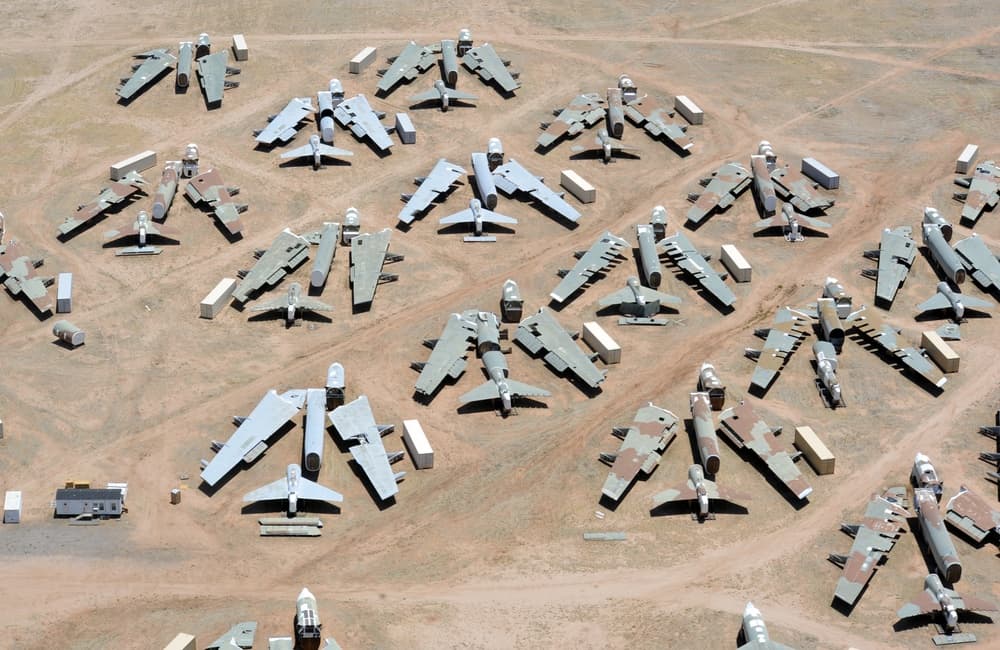
- In depot-level repair (major overhaul beyond unit-level capability)
At any moment, a significant portion of any military's equipment is not available for immediate use. For complex systems like fifth-generation fighters, availability rates of 50-70% are common, meaning that of every 100 aircraft in inventory, perhaps 50-70 might be mission capable on a given day.
The Maintenance Cycle
All equipment requires periodic maintenance that takes it out of the operational fleet. Scheduled maintenance allows preventive work that catches problems before they cause failures. Unscheduled maintenance addresses unexpected breakdowns. The balance between these categories, and the efficiency with which maintenance is conducted, significantly affects overall availability.
Maintenance efficiency depends on multiple factors: maintainer skill and experience, spare parts availability, facility capacity, and organizational processes. A military with excellent maintenance systems might achieve higher availability from the same equipment inventory than one with maintenance shortfalls.
Training Downtime
Equipment isn't the only factor limiting availability. Personnel also have periods when they cannot contribute to operations. Training requirements, leave, medical issues, administrative tasks, and transitions between assignments all reduce the percentage of personnel actually available for operations at any given time.
Understanding this dynamic reveals why comparing fighter jet costs and fleet sizes tells only part of the story. A larger fleet with poor availability may generate fewer combat sorties than a smaller fleet maintained at higher readiness.
"On Paper" Strength vs. Actual Capacity
The gap between nominal strength (what's listed in force structure documents) and actual combat capacity (what can be generated for operations) is often substantial. This gap matters enormously for military planning and assessment:
- Peacetime planning: Must account for realistic availability rates when determining force requirements.
- Wartime surge: Can temporarily increase availability by deferring maintenance, but creates downstream problems and is unsustainable.
- Comparative analysis: Comparing two militaries' inventories without accounting for availability differences can be highly misleading.
- Resource allocation: Sometimes investing in maintenance and sustainment produces more combat power than procuring additional equipment.
5. How Exercises Test Readiness
Military exercises serve as crucial tests of readiness, revealing whether the various components (personnel, equipment, training, logistics) actually work together under realistic conditions. Understanding how military exercises actually work illuminates their role in the readiness ecosystem.
Exercises vs. Inspections
Both exercises and inspections assess readiness, but they do so differently. Inspections typically examine specific elements (equipment condition, personnel qualifications, compliance with standards) in controlled conditions. Exercises test whether those elements function together under dynamic, stressful scenarios that more closely approximate actual operations.
A unit might pass inspections yet struggle during exercises, revealing integration problems that component-level checks missed. Conversely, exercise performance provides a more holistic assessment but cannot evaluate every aspect of readiness in depth.
Why Exercises Expose Weaknesses
Well-designed exercises stress forces in ways that reveal latent problems:
- Tempo stress: Operating at sustained high tempo exposes maintenance and supply chain weaknesses that might not appear in routine operations.
- Integration challenges: Coordinating across multiple units and domains reveals communication gaps and procedural mismatches.
- Unfamiliar conditions: Operating in new environments or scenarios tests adaptability and exposes training gaps.
- Decision-making under pressure: Time constraints and incomplete information reveal command and leadership weaknesses.
- Friction: Things that work smoothly in garrison often break down under field conditions, revealing hidden dependencies and fragilities.
Why Failure During Exercises Is Valuable
Perhaps counterintuitively, units often gain more from exercises where they struggle than from exercises they complete smoothly. Failure in training, unlike failure in combat, carries no permanent consequences and provides irreplaceable learning opportunities.
Exercises that are too easy don't reveal problems that would emerge under more stressful conditions. The most valuable exercises push units beyond their comfort zone, identify breaking points, and create teachable moments that drive improvement. This philosophy connects to the concept of "first look, first shot" advantages in combat; preparation under stress produces forces that perform better when stakes are real.
| Assessment Type | What It Reveals | What It Misses | Frequency |
|---|---|---|---|
| Inspections | Component compliance, equipment condition, individual qualifications | Integration problems, performance under stress, adaptability | Routine/scheduled |
| Exercises | Integration, tempo sustainability, decision-making, friction effects | True adversary behavior, actual consequences, full fog of war | Periodic (weeks to months) |
| Combat | Ultimate test of all readiness elements under real stakes | Cannot repeat or easily analyze; lessons costly to learn | Unpredictable |
6. Sustainment, Maintenance, and Readiness Decay
Readiness depends not only on current status but on the capacity to maintain that status over time. Sustainment - the ability to keep forces supplied, maintained, and supported - is the foundation upon which operational readiness rests.
Wear and Tear
Military equipment operates under demanding conditions that accelerate wear. Training exercises, deployments, and even routine operations consume equipment life. Aircraft accumulate flight hours. Vehicles pile up miles. Weapons systems require refurbishment after use. Without continuous maintenance and eventual replacement, equipment readiness inevitably declines.
The rate of wear varies by equipment type and usage intensity. High-performance systems like fighter aircraft may require extensive maintenance after each flight. Ships need periodic dry-dock maintenance for hull work that cannot be done at sea. Ground vehicles used in harsh environments wear faster than those in garrison.
Supply Chain Dependencies
Modern military systems depend on complex supply chains for spare parts, consumables, and specialized materials. A single missing component can ground an aircraft or disable a weapons system. Supply chain health - measured by fill rates, lead times, and stockpile levels - is a critical but often invisible factor in readiness.
Supply chain vulnerabilities have become more acute as military systems have grown more complex and as production has concentrated in fewer facilities. Parts for legacy systems may no longer be manufactured, requiring expensive custom production. Single-source suppliers create bottlenecks. Long lead times for complex components mean that shortages cannot be quickly resolved.
Parts Availability
Spare parts availability is one of the most common constraints on equipment readiness. A fully staffed maintenance shop with skilled technicians cannot repair aircraft that lack critical components. Parts shortfalls can cascade - equipment awaiting parts occupies maintenance bays, preventing work on other systems.
Managing parts availability involves difficult tradeoffs. Maintaining large inventories ties up resources and creates storage challenges. Just-in-time approaches reduce inventory costs but create vulnerability to supply disruptions. Prioritizing parts for deployed forces may leave training units short.
Readiness Decay Without Investment
The fundamental reality of readiness is that it decays continuously without active investment. This decay occurs across all dimensions:
- Personnel skills degrade without practice
- Equipment condition deteriorates without maintenance
- Supplies get consumed and stockpiles deplete
- Training currency lapses
- Organizational knowledge is lost as experienced personnel depart
This decay is not linear - it may be gradual at first but accelerate as problems compound. Deferred maintenance creates backlogs. Training gaps make subsequent training less effective. Personnel shortages increase workload on remaining personnel, accelerating burnout and departures.
7. Why Readiness Is Expensive
Readiness accounts for a substantial portion of military budgets - often surprising those who focus primarily on procurement of new equipment. Understanding why readiness costs so much illuminates fundamental tradeoffs in defense resourcing.
Personnel Costs
People are the largest cost driver in military readiness. Personnel costs include not only pay and benefits but also recruitment, training, housing, health care, and family support. An all-volunteer force must compete with private sector employers for talent, driving compensation requirements. Training pipelines require instructors, facilities, and curriculum development. Support systems for military families help with retention but add costs.
Personnel costs tend to increase over time. Compensation must keep pace with inflation and private sector alternatives. Health care costs have risen faster than overall inflation. As military systems become more complex, training requirements lengthen and intensify.
Maintenance Intensity
Modern military equipment requires intensive maintenance. Advanced aircraft may need dozens of maintenance hours for each flight hour. Ships require continuous upkeep plus periodic depot-level work. Ground systems face wear from training and operations. This maintenance intensity reflects both system complexity and the demanding conditions of military operations.
The cost of maintenance has increased as systems have become more sophisticated. Stealth coatings require specialized care. Advanced electronics need skilled technicians and expensive test equipment. Composite materials present unique repair challenges. This connects directly to the importance of performance capabilities - maintaining high-performance systems costs more than maintaining simpler ones.
Training Requirements
Realistic training is expensive. Live fire training consumes ammunition. Flight training consumes fuel and aircraft life. Field exercises require transportation, logistics support, and temporary facilities. Large-scale exercises involve coordination costs and often take place at specialized training centers far from home stations.
Training requirements have expanded as military operations have become more complex. Joint and multinational operations require extensive coordination training. New domains - cyber, space, information - add training requirements. Realistic opposing force training requires dedicated units and specialized capabilities.
Recurring Nature of Readiness Costs
Unlike procurement costs, which end once equipment is delivered, readiness costs recur continuously. Personnel must be paid every month. Equipment must be maintained every day. Training must occur regularly. Supplies must be continuously replenished. There is no point at which readiness investment can stop - only decisions about how much to invest.
| Cost Category | Key Drivers | Trend |
|---|---|---|
| Personnel | Compensation, benefits, training, health care, retention | Rising (health care, competition for talent) |
| Maintenance | Parts, labor, facilities, specialized equipment | Rising (system complexity, aging fleets) |
| Training | Ammunition, fuel, ranges, exercise support | Variable (simulators offset some costs) |
| Sustainment | Supply stockpiles, logistics infrastructure, depot capacity | Rising (global deployment, complex supply chains) |
8. Common Misconceptions About Military Readiness
Several misconceptions about military readiness persist in public discourse. Addressing these directly helps develop a more accurate understanding of how readiness actually works.
"More Equipment Means Higher Readiness"
This is perhaps the most common error. A military that acquires additional equipment without proportionally increasing its maintenance, training, and personnel capacity may actually see readiness decline as the new equipment competes for limited support resources. Each additional aircraft, ship, or vehicle brings recurring costs for maintenance, training, and operations. Without resources to support the larger inventory, availability rates fall.
The relationship between force size and readiness is not linear. There is an optimal size given available resources - larger is not automatically better if resources are spread too thin.
"Readiness Is Static"
Readiness fluctuates constantly based on deployments, training cycles, personnel rotations, and resource availability. A unit that was highly ready last month may be degraded this month due to personnel departures, equipment problems, or other factors. Snapshot assessments can be misleading - understanding readiness requires tracking trends over time.
"Readiness Can Be Surged Indefinitely"
In crises, militaries can temporarily increase readiness by deferring maintenance, extending personnel, canceling training, and drawing down reserves. But this "surge" capacity is limited and creates downstream problems. Deferred maintenance accumulates into larger backlogs. Personnel burn out. Training gaps compound. Reserves eventually run dry. Sustained high readiness requires sustained resources, not just short-term crisis measures.
"Readiness Is the Same Across Units"
Even within the same military, readiness varies significantly across units. Some units receive priority for personnel, parts, and training. Others face chronic shortages. Some operate aging equipment; others have new systems. Some have stable, experienced personnel; others cope with high turnover. Aggregate readiness statistics mask this variation.
"Technology Eliminates Readiness Challenges"
Advanced technology can enhance capability but often increases readiness challenges. Sophisticated systems require more specialized maintenance. Complex software needs frequent updates and debugging. Advanced sensors demand calibration. Each technological advance typically brings new readiness requirements rather than eliminating existing ones.
9. Limitations and Challenges of Readiness Measurement
Despite sophisticated assessment systems, measuring military readiness remains inherently difficult. Understanding these limitations is essential for interpreting readiness claims critically.
Reporting Bias
Readiness reporting occurs within hierarchical organizations where careers depend on performance evaluations. There are structural incentives to report problems as less severe than they are, to focus on positive indicators, and to defer admitting issues until they become undeniable. While professional norms and oversight systems work against these biases, they cannot eliminate them entirely.
Reporting bias tends to increase during periods of high operational pressure. Units under stress may lack bandwidth for thorough self-assessment. Leaders facing difficult decisions may prefer not to receive bad news. The units most likely to have readiness problems may be least able to document them accurately.
Metric Oversimplification
Quantitative metrics necessarily simplify complex realities. A mission capable rate tells you what percentage of aircraft can fly but not how many can perform the most demanding missions. Training completion rates show that events occurred but not how well personnel performed. Personnel fill statistics count bodies but not experience or skill levels.
When organizations focus intensely on specific metrics, those metrics can become disconnected from the underlying readiness they're supposed to measure. Units optimize for what's measured, potentially at the expense of unmeasured but important factors.
Institutional Pressure
Readiness assessments often have resource implications. Units that report low readiness may receive additional resources - or may be criticized for poor management. Services that report readiness problems may strengthen budget arguments - or may face accusations of alarmism. These pressures can distort reporting in either direction depending on organizational culture and context.
Why Perfect Measurement Is Impossible
Ultimately, readiness is a prediction about future performance under conditions that cannot be fully known in advance. No measurement system can perfectly predict how forces will perform against specific adversaries in specific scenarios with all the friction and uncertainty of actual combat. Readiness assessment is, at best, informed estimation - useful for planning but not guaranteed prophecy.
This uncertainty doesn't mean measurement is pointless - it provides valuable information for resource allocation and planning. But it does mean that readiness claims should be interpreted with appropriate humility about their limitations.
10. Why Readiness Matters More Than Headline Numbers
Understanding readiness changes how we should assess military balance and make defense decisions. The headline numbers that dominate public discourse - total aircraft, ship counts, personnel strength - tell us far less than commonly assumed.
Readiness Determines Real-World Performance
When forces actually engage, what matters is not how many systems exist in inventory but how many are available, how well-trained their crews are, how effectively they're supplied, and how competently they're commanded. History is full of examples where nominally weaker forces defeated larger ones through superior readiness, training, and cohesion.
The qualities that matter most in combat - tactical skill, unit cohesion, leadership under pressure, logistical resilience - are precisely those that readiness investments develop and sustain. Forces that train realistically, maintain their equipment rigorously, and invest in their people perform better when it matters.
Readiness Shapes Strategic Decisions
Readiness constraints influence strategic options. A military with high readiness can respond quickly to emerging situations, sustain operations over time, and project credible deterrence. One with readiness problems may face longer response timelines, limited sustainability, and uncertainty about whether threats will be taken seriously.
Decision-makers considering military options need accurate readiness information. Overestimating readiness can lead to commitments forces cannot fulfill. Underestimating it may cause missed opportunities or unnecessary caution. Getting readiness assessment right is essential for sound strategy.
A Better Indicator Than Raw Force Size
For those seeking to assess military effectiveness honestly, readiness provides a more meaningful lens than simple inventory comparisons. Rather than asking "how many aircraft does this country have?", the better questions are:
- How many of those aircraft can generate combat sorties on a given day?
- For how long can that sortie rate be sustained?
- How well-trained are the pilots?
- Are maintenance and logistics adequate to support extended operations?
- Does the command structure function effectively under stress?
These questions are harder to answer than simply counting equipment, but the answers matter far more for understanding actual military capability.
11. Key Takeaways
- 1. Readiness is not inventory. Possessing equipment is fundamentally different from being able to use it effectively. Readiness encompasses personnel, training, maintenance, logistics, and command - not just hardware.
- 2. Readiness is mission-specific. Forces may be ready for some missions but not others. Generic readiness assessments can mask critical gaps in specific capabilities.
- 3. Readiness is perishable. Unlike capability, which can be acquired and retained, readiness requires continuous investment. Stop the investment, and readiness decays - often faster than expected.
- 4. Availability matters more than inventory. What counts is not how many systems exist but how many are actually mission capable at any given time. Availability rates often surprise those accustomed to inventory-based analysis.
- 5. Exercises test readiness in ways inspections cannot. Integration problems, sustainment weaknesses, and command failures emerge under exercise stress. Failing in exercises, while uncomfortable, provides irreplaceable learning.
- 6. Sustainment underpins everything. The most capable equipment with the best-trained crews will fail without adequate maintenance, parts, and logistics support. Sustainment is the foundation of readiness.
- 7. Readiness is expensive. Personnel, maintenance, training, and sustainment costs recur continuously. There is no one-time purchase that creates permanent readiness.
- 8. More equipment can reduce readiness. Acquiring additional equipment without proportional support resources spreads resources thinner and may actually degrade overall readiness.
- 9. Readiness cannot be surged indefinitely. Crisis measures can temporarily increase readiness but create downstream problems. Sustained readiness requires sustained resources.
- 10. Measurement is imperfect but essential. No system perfectly captures readiness, but rigorous assessment remains crucial for resource allocation and planning.
- 11. Readiness varies significantly across forces. Aggregate statistics mask substantial variation between units. Some are highly ready; others face chronic problems.
- 12. Readiness matters more than headline numbers. For honest assessment of military effectiveness, understanding readiness provides far more insight than comparing inventory counts.
Military readiness is among the most important yet least understood factors in defense analysis. It determines whether forces can actually perform when called upon - whether the equipment in inventory can be generated for operations, whether personnel have the skills and training needed, whether logistics can sustain the fight, and whether commanders can coordinate effectively under pressure.
Understanding readiness requires moving beyond the superficial comparisons that dominate public discourse. Counting tanks, aircraft, and ships tells us little about whether they can fight. Evaluating military power honestly demands attention to the less visible but equally important factors: maintenance capacity, training currency, sustainment depth, and organizational effectiveness.
This understanding has practical implications. Defense investments should balance acquisition of new capabilities with resources to maintain readiness of existing forces. Assessments of military balance should account for readiness factors, not just inventory comparisons. Strategic decisions should be informed by realistic understanding of what forces can actually do - not optimistic assumptions based on paper strength.
Readiness may lack the drama of new weapons systems or the simplicity of force-size comparisons, but it often determines outcomes more than either. For anyone seeking to understand military power honestly, readiness deserves far more attention than it typically receives.