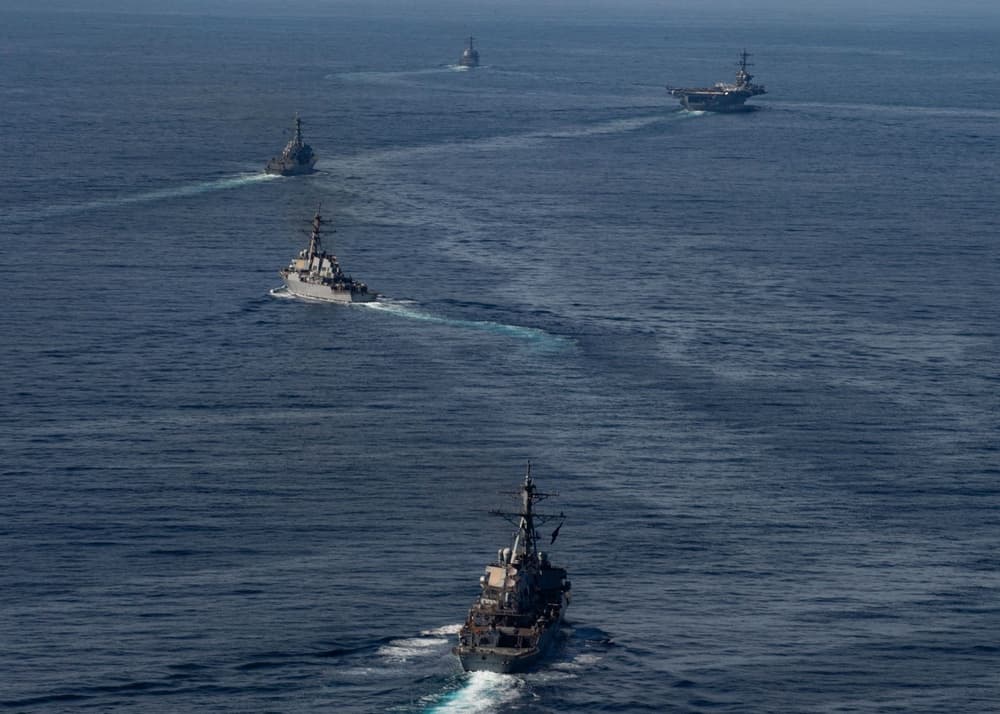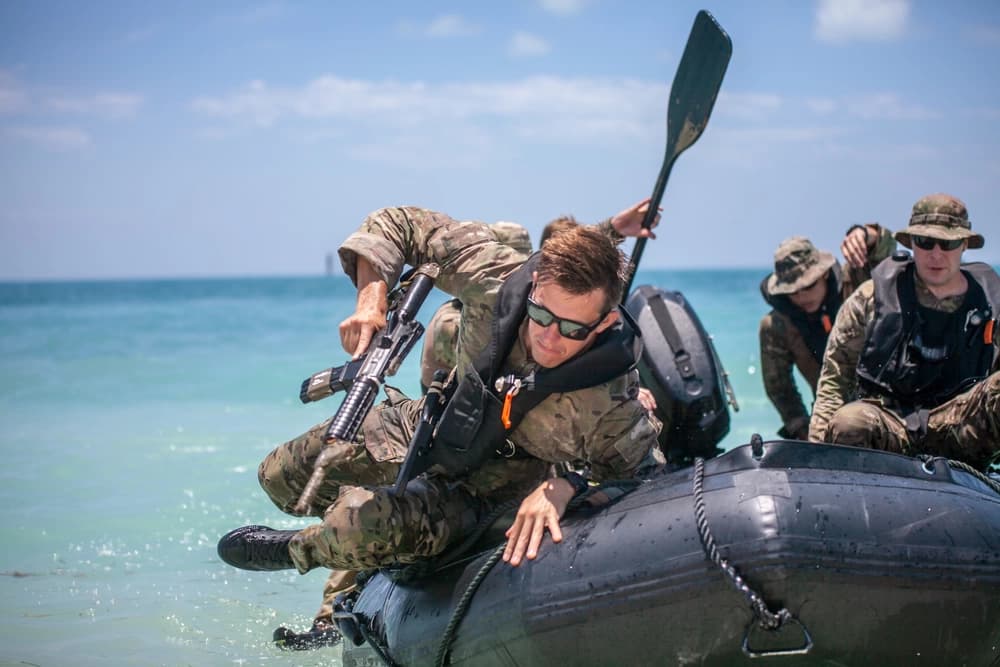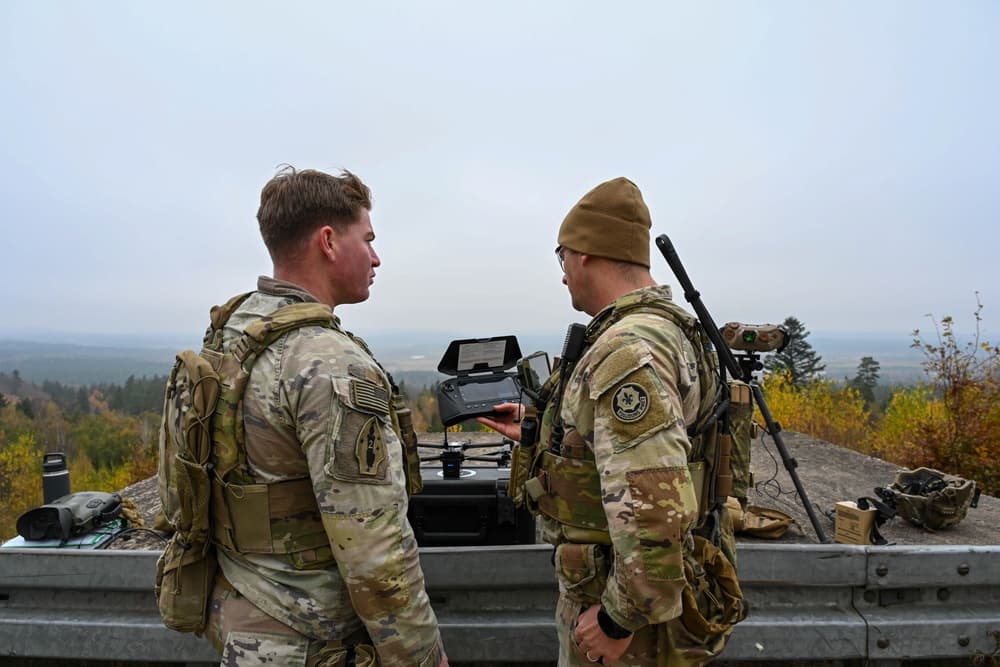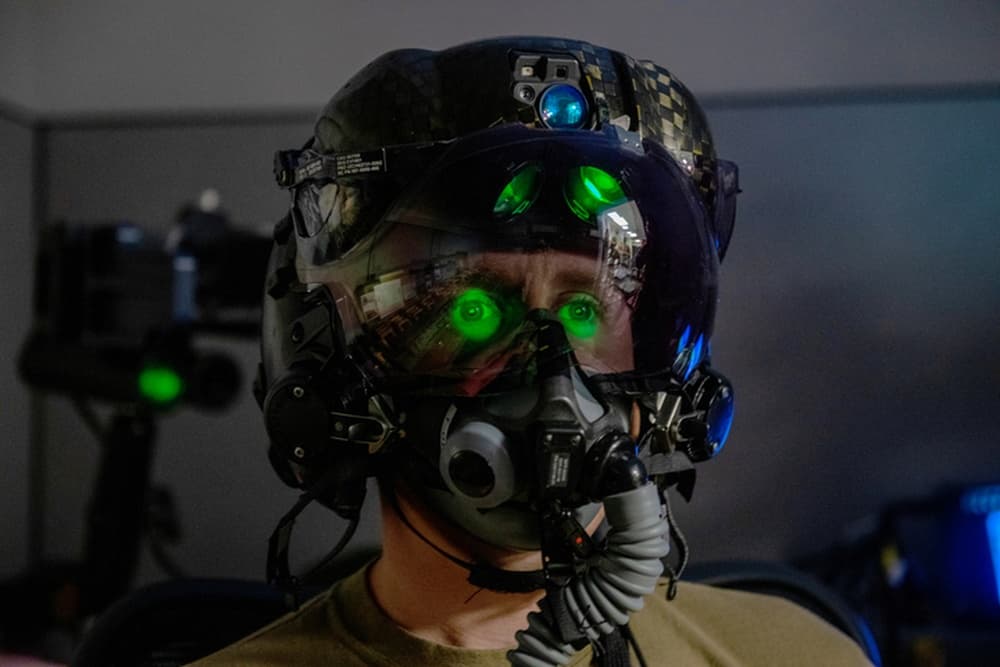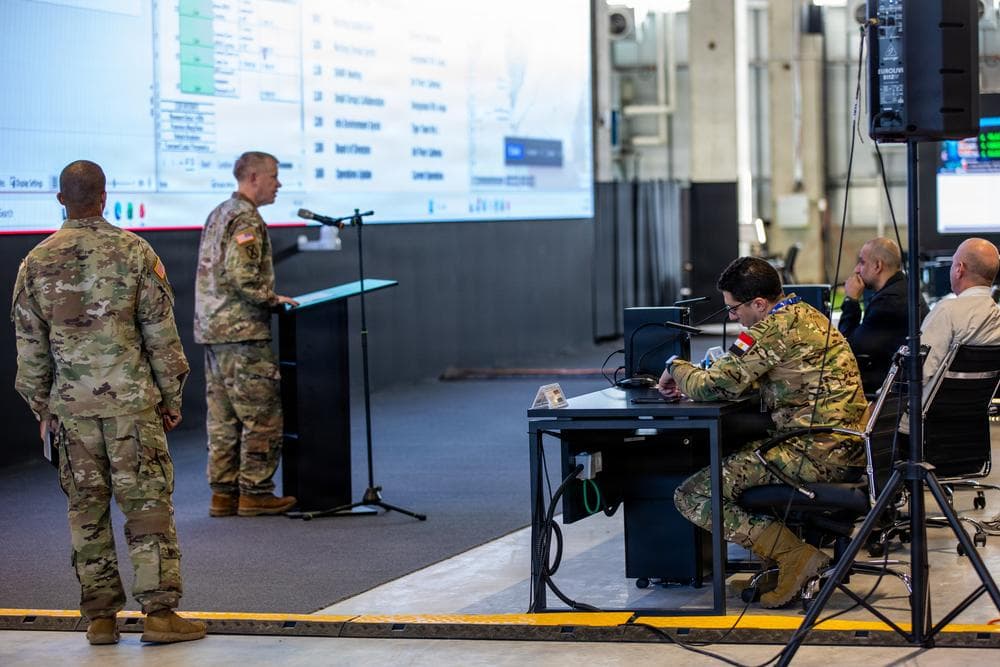
The assumption runs deep in public understanding of military affairs: bigger armies win. More soldiers, more tanks, more aircraft, more ships: these numbers dominate discussions of military power. Defense budgets are compared by raw dollar figures. Force structures are measured by personnel counts. Fleet sizes are tallied and ranked as if they alone determine outcomes. Yet military history repeatedly demonstrates that size, while meaningful, does not guarantee success. Some of the most consequential military outcomes have featured smaller forces defeating larger ones, well-funded militaries struggling against modest adversaries, and numerical advantages proving irrelevant to actual combat results.
This disconnect between expectation and reality demands explanation. If size doesn't automatically produce victory, what does? The answer lies in understanding that military forces are not simple aggregations of combat power that can be added together like accounting entries. They are complex organizations with internal dynamics that change as they scale. Adding more troops doesn't simply add more capability; it adds coordination requirements, logistics burdens, command layers, and organizational friction. At some point, the costs of scale begin to offset the benefits. Understanding where that point lies, and why, reveals fundamental truths about military effectiveness that raw numbers obscure.
This analysis examines why larger militaries don't automatically win, what structural factors explain this counterintuitive pattern, and what it means for how we should think about military power. The goal isn't to argue that size doesn't matter, because it does. Rather, the objective is to explain why size matters less than most assume, why the relationship between scale and effectiveness is not linear, and why some of the most important determinants of military outcomes are invisible in the statistics that dominate public discourse. Understanding these dynamics provides a more accurate framework for assessing military capability than simply comparing budgets and personnel counts.
The premise that bigger equals better reflects an intuition that works in many domains but breaks down when applied to military organizations. In manufacturing, doubling production capacity roughly doubles output. In finance, doubling capital roughly doubles investment returns. But in military affairs, doubling force size does not double effectiveness, and may actually reduce it in certain contexts. This paradox explains why wealthy nations with large militaries have struggled against smaller adversaries, why military reformers throughout history have often advocated for smaller, more capable forces over larger, less capable ones, and why the relationship between military spending and military outcomes remains frustratingly unpredictable.
What follows is not a catalog of battles where smaller forces won. Such examples, while illustrative, can mislead by suggesting that size is irrelevant or that smaller forces always have advantages. Instead, this analysis explains the underlying mechanisms: the structural reasons why scale creates friction, why coordination burdens compound, why logistics limits operational reach, and why organizational dynamics change as militaries grow. These mechanisms operate whether or not any given battle demonstrates their effects. Understanding them provides analytical tools for assessing military capability that go beyond the superficial comparisons that dominate public discussion.
What Military "Size" Actually Means
Before examining why size doesn't guarantee victory, we need to understand what "size" actually measures, and what it leaves out. Military size is typically expressed through several metrics: personnel counts, equipment inventories, budget figures, and organizational breadth. Each captures something real but also obscures important nuances that affect how forces actually perform.
Personnel is the most common measure. A military with 500,000 active-duty troops is considered larger than one with 200,000. But this number tells us nothing about training quality, experience levels, retention rates, or how those personnel are distributed across functions. A force with 500,000 people might have fewer combat troops than a force of 200,000 if the larger organization carries more support overhead. Personnel counts also don't distinguish between paper strength and actual readiness, since units may be officially at strength but unable to deploy due to training deficits or equipment shortages.
Equipment inventories face similar limitations. Counting tanks, aircraft, or ships provides a snapshot of potential capability but ignores readiness, maintenance status, and modernization state. A nation with 2,000 tanks might have fewer operationally ready vehicles than one with 800 better-maintained tanks. Equipment counts also obscure qualitative differences, as a small fleet of modern fighters may outmatch a larger fleet of obsolescent aircraft in ways that raw numbers cannot capture.
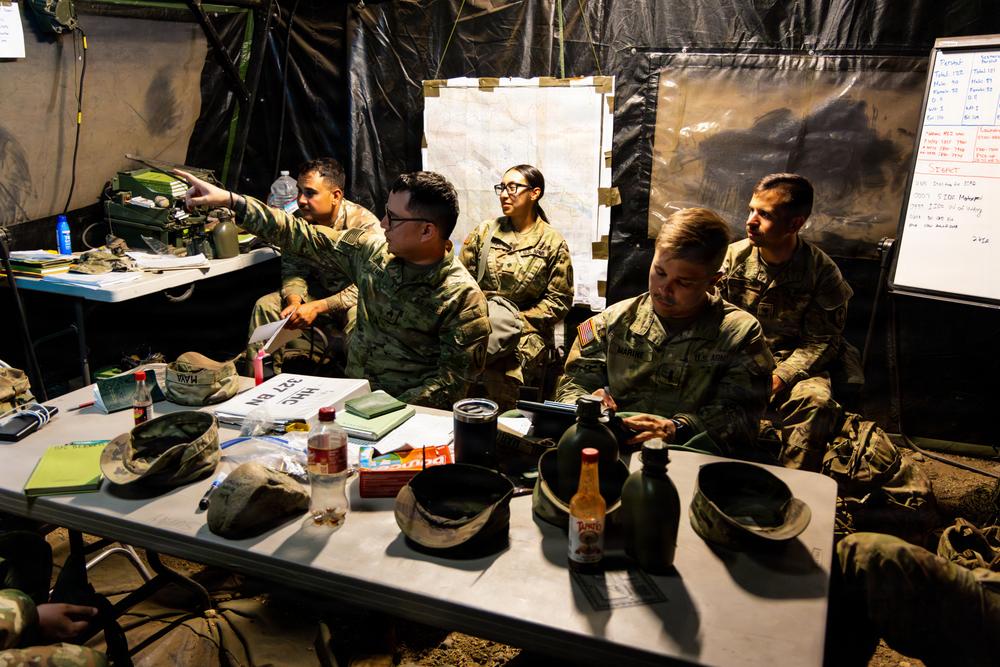
Budget figures are perhaps the most misleading metric. Defense spending comparisons dominate public discourse about military power, but they're distorted by currency conversion issues, purchasing power differences, labor costs, and accounting practices. A dollar spent on personnel in a high-wage economy buys less than the same dollar in a low-wage economy. Budget figures also don't distinguish between spending on current capability versus investment in future capability. A military might have a large budget but underspend on readiness while overspending on procurement programs that won't deliver for decades.
Organizational complexity is rarely measured but profoundly affects military effectiveness. Larger forces require more layers of command, more coordination mechanisms, more logistics infrastructure, and more administrative overhead. This complexity isn't inherently bad (it's necessary to manage scale), but it introduces friction, slows decision-making, and creates opportunities for breakdown. Understanding military size requires understanding not just how many people and things a force has, but how those people and things are organized and connected.
These measurement challenges matter because they shape how observers, including policymakers, assess military capability. If size is measured simplistically, assessments will be simplistic. The result is often overconfidence in large forces and underestimation of smaller, more focused militaries. This analytical failure has contributed to strategic surprises throughout military history, as forces that looked overwhelming on paper proved less capable in practice than their numbers suggested.
Scale Creates Power and Friction
Scale does provide genuine military advantages. Larger forces can cover more territory, sustain higher casualties, maintain more operational options, and project power across greater distances. These advantages are real and explain why nations invest heavily in building large militaries. But scale also creates friction: internal resistance that reduces efficiency, slows response times, and introduces failure points. Understanding military effectiveness requires understanding both the power and the friction that scale generates.
Coordination burden increases non-linearly with force size. If one unit operates independently, it needs no coordination. Two units need to coordinate with each other, creating one relationship. But three units create three pairwise relationships, four units create six, and the pattern grows exponentially. By the time a force has dozens or hundreds of units, the coordination network becomes extraordinarily complex. This isn't merely an organizational chart problem; it's a fundamental constraint on what large forces can actually do simultaneously. Every additional unit added to an operation increases the total coordination requirement, consuming staff attention, communication bandwidth, and time.
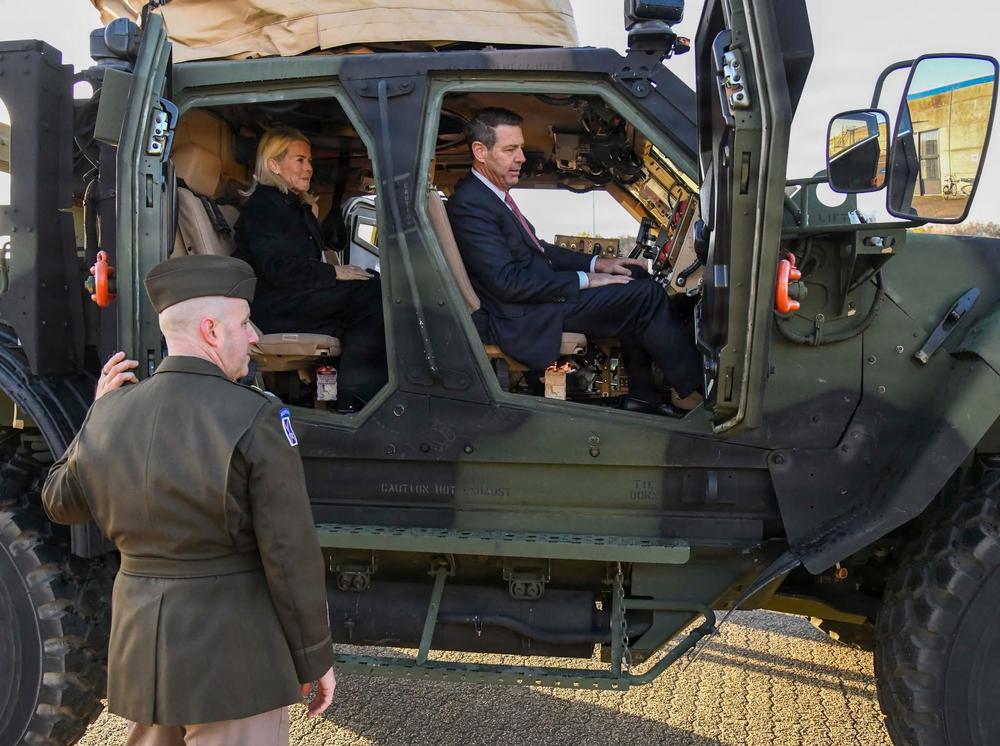
Decision latency compounds this problem. Larger organizations typically require more command layers to maintain spans of control, meaning the number of subordinates any commander can effectively supervise. More layers mean more decision points, more reviews, and more time between observation and action. A small unit might go from perceiving a threat to responding in minutes. A large organization might require hours as information flows up through layers, decisions are made, and orders flow back down. This latency can prove decisive in fast-moving situations where the side that acts first gains advantage.
Organizational inertia affects how quickly large forces can adapt. Doctrine, training programs, equipment procurement, and organizational structures all take time to change. The larger the force, the more inertia exists. More people need retraining, more equipment needs modification, more bureaucratic processes need revision. Small forces can sometimes pivot rapidly to new threats or opportunities. Large forces often continue operating under assumptions that no longer apply simply because changing course takes years of institutional effort.
Communication challenges grow with scale. Larger forces generate more information, require more reporting, and demand more communication infrastructure. Messages can be delayed, distorted, or lost entirely as they traverse complex organizational structures. The "fog of war" isn't just about enemy action; it's about the internal challenges of understanding what your own forces are doing across a large operational space. Commanders of small units can often see and hear what's happening directly. Commanders of large formations depend on reports that are necessarily filtered, delayed, and incomplete.
These friction effects don't make large forces ineffective, but they make them less effective per unit than simple aggregation would suggest. A force twice as large is not twice as capable. The marginal effectiveness of additional scale diminishes as friction accumulates. This explains why military planners often find that initial force increases yield significant capability gains, but continued expansion produces smaller returns. Eventually, adding more forces may create more coordination problems than combat power, actually reducing overall effectiveness.
Logistics and Sustainment at Scale
Military logistics, meaning the movement and sustainment of forces, becomes exponentially more difficult as forces grow. This constraint is so fundamental that it often determines campaign outcomes more than combat engagements do. Understanding why bigger militaries don't automatically win requires understanding why logistics favors smaller, more efficient forces in many contexts.
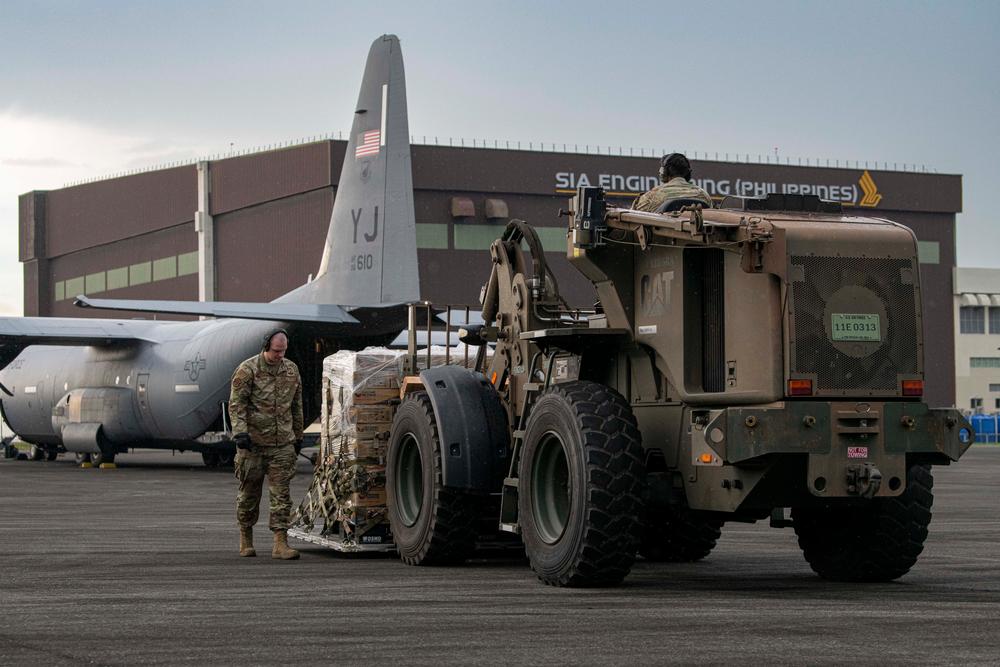
Supply chain complexity increases faster than force size. Every soldier requires food, water, ammunition, fuel, medical support, and equipment maintenance. These requirements don't simply add; they compound. More personnel require more trucks to move supplies, which require more fuel, which requires more trucks, which require more mechanics, who require more food and water. The logistics tail grows as a ratio of the combat force, often dramatically. Modern militaries typically need several support personnel for every combat soldier, and that ratio increases with operational tempo and distance from supply bases.
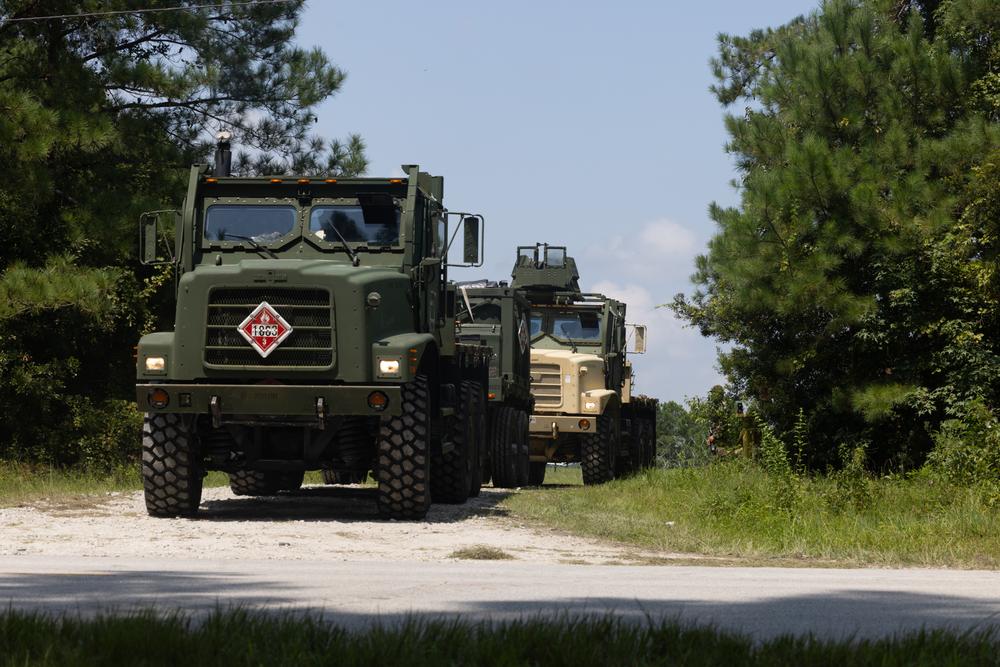
Distance penalties compound supply challenges. The further forces operate from supply bases, the more resources must be dedicated to moving supplies rather than fighting. A force operating 100 miles from its depot consumes more logistics capacity than the same force at 50 miles, and not twice as much, but often substantially more when accounting for road conditions, convoy security, and vehicle maintenance. Large forces projecting power across long distances face geometric increases in logistics requirements that can consume most of their organizational capacity, leaving fewer resources for actual combat operations.
Sustainment limits operational tempo. Forces can only move as fast as they can be supplied. Advance too quickly and units outrun their logistics, running out of fuel, ammunition, or food. Large forces are particularly vulnerable because their appetite for supplies is enormous and supply chains take time to extend. Historical campaigns repeatedly show large forces grinding to a halt not because of enemy action but because logistics couldn't keep pace with advance. Smaller forces with lower supply requirements can often maintain operational tempo that larger forces cannot match.
Supply chain vulnerability increases with size. Larger forces require more extensive logistics infrastructure (more convoys, more depots, more fuel points), creating more targets for adversaries to attack. Disrupting the supply chain of a large force can immobilize it more effectively than attacking the combat elements directly. This vulnerability incentivizes smaller forces to target logistics rather than engaging in direct combat where their numerical disadvantage matters most. As our analysis of military readiness explains, sustainment capacity often determines what forces can actually do, regardless of their theoretical combat power.
Local resources and strategic context matter enormously. Forces operating in friendly territory with developed infrastructure face different logistics challenges than forces projecting power into hostile or undeveloped regions. Large expeditionary forces face particularly severe logistics constraints because they must ship everything across oceans or continents. Smaller indigenous forces defending their own territory can draw on local resources, knowledge, and infrastructure that invaders must create from scratch. This asymmetry helps explain why smaller defending forces have historically performed better than their size would suggest against larger invading forces.
Training, Readiness, and Human Limits
Military effectiveness ultimately depends on people: their skills, judgment, cohesion, and willingness to fight. These human factors don't scale the way equipment inventories do. Adding more soldiers doesn't automatically add more capability if those soldiers aren't properly trained, if units lack cohesion, or if institutional knowledge can't be transmitted fast enough to maintain quality across an expanding force.
Training quality versus quantity presents a fundamental tradeoff. Producing more soldiers faster typically means reducing training duration, instructor-to-student ratios, or both. Elite forces that invest heavily in training produce more capable individuals but fewer of them. Mass armies that prioritize quantity must accept lower average quality. Neither approach is universally superior (the optimal balance depends on strategic circumstances), but the tradeoff is inescapable. Large forces often struggle to maintain training quality because the training infrastructure can't scale as fast as personnel intake.
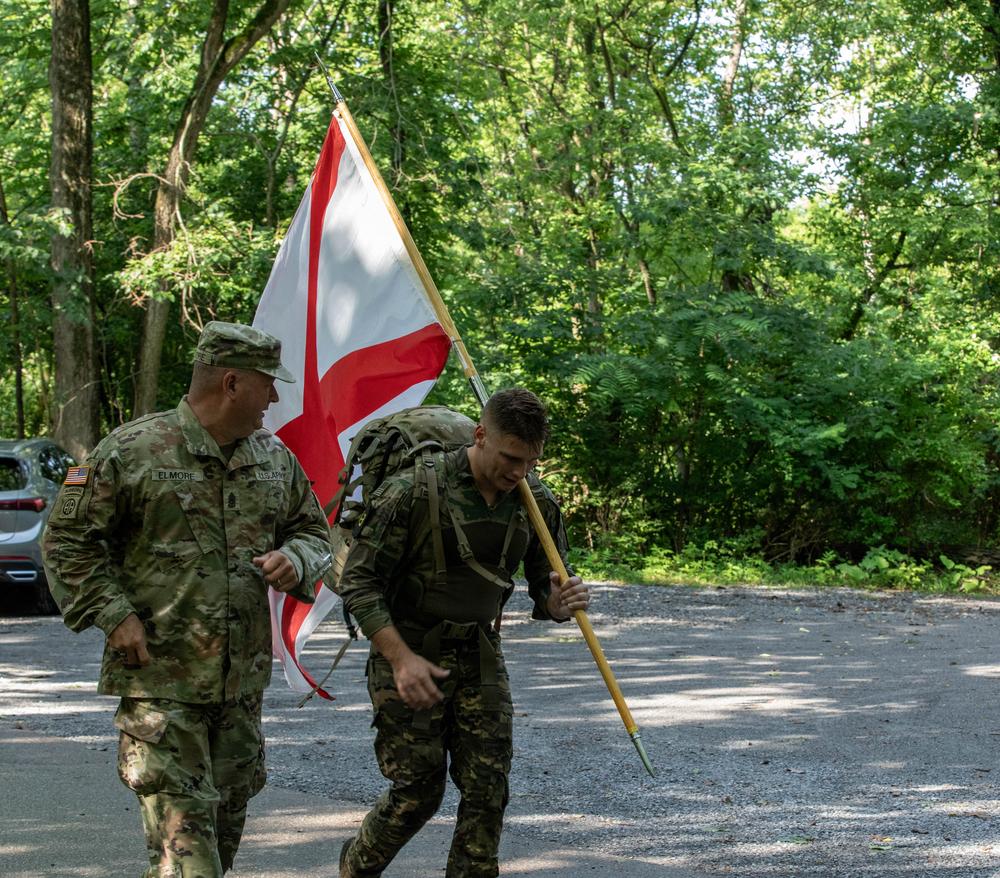
Readiness decay across large forces creates uneven capability. At any given time, portions of a large military will be in training, resting, transitioning between assignments, or otherwise not available for operations. Maintaining high readiness across a large force requires enormous sustained investment in training, exercises, and maintenance. Budget constraints and operational tempo often force readiness tradeoffs, where some units are kept at high readiness while others are allowed to decay. As our analysis of military exercises details, even well-funded militaries struggle to keep all units at peak capability simultaneously. The advertised size of a force often exceeds the portion actually ready for combat.
Leadership development can't be accelerated indefinitely. Competent military leaders require years of experience, mentorship, and progressive responsibility. Expanding forces quickly creates leadership gaps, where units may have the personnel and equipment but lack experienced officers and NCOs to lead them effectively. Leadership quality often determines outcomes more than numerical strength, but producing leaders takes time that rapid expansion doesn't allow. This is why rapidly mobilized mass armies have often performed poorly despite numerical advantages because they lacked the leadership cadre that experienced professional forces possess.
Unit cohesion, the bonds between soldiers that make them fight effectively as teams, develops through shared experience and time together. Rapidly expanding forces constantly shuffle personnel, dilute experienced units with newcomers, and form new units that lack shared history. Cohesive small units often outperform larger but less cohesive forces because they can coordinate implicitly, trust each other under stress, and maintain effectiveness when formal command structures break down. Building cohesion takes time that rapid expansion doesn't permit.
Institutional knowledge compounds these challenges. Large militaries accumulate expertise across thousands of specialties, not just combat but maintenance, logistics, communications, intelligence, medicine, and countless technical fields. This expertise lives in people and takes years to develop. Expanding faster than expertise can be transmitted creates skill gaps that equipment alone cannot address. Modern military systems are extraordinarily complex, and operating them effectively requires deep knowledge that can't be acquired quickly regardless of how much money is spent.
Adaptability vs Mass
Military effectiveness depends not just on current capability but on the ability to adapt - to learn from experience, adjust to changing circumstances, and exploit new opportunities. Adaptability often favors smaller forces for structural reasons that larger organizations struggle to overcome regardless of their resources.
Decision speed differs dramatically by organizational size. Smaller forces with shorter command chains can observe situations, decide on responses, and execute actions faster than larger forces. This speed matters because military situations evolve constantly - the side that adapts faster can seize opportunities before they disappear or respond to threats before they mature. Large organizations that require extensive coordination and approval processes often find that situations have changed by the time they're ready to act.
Institutional resistance to change increases with size. Large organizations develop vested interests in existing approaches - doctrine, equipment programs, organizational structures, and career patterns. Changing these requires overcoming resistance from those whose positions depend on the status quo. Small organizations can pivot more easily because fewer people need to change, fewer processes need revision, and fewer invested interests oppose new directions. This explains why military innovation often comes from smaller forces or peripheral units rather than from the core of large military establishments.
Doctrine lag affects large forces particularly severely. Military doctrine - the intellectual framework that guides how forces fight - takes years to develop, test, and propagate across a large organization. During that time, circumstances may change, making the doctrine obsolete before it's fully implemented. Smaller forces can update their approaches faster, sometimes adopting new methods while larger adversaries are still institutionalizing old ones. As our analysis of military decisions shows, doctrinal choices often matter more than numerical strength.
Assumption lock-in represents a particularly dangerous form of institutional rigidity. Large organizations that invest heavily in specific assumptions - about future threats, technology performance, or operational approaches - find those assumptions difficult to challenge even when evidence suggests they're wrong. The sunk costs of doctrine, training, and equipment create powerful incentives to interpret reality in ways that validate existing investments rather than questioning them. Smaller forces with less invested in any particular approach can reconsider assumptions more readily.
Experimentation is easier at smaller scale. Testing new tactics, technologies, or organizational structures is less risky when failure affects fewer resources. Small forces can try multiple approaches simultaneously and adopt what works. Large forces often must commit to single approaches because they can't afford the overhead of parallel experimentation at scale. This makes large forces more dependent on getting initial choices right - a demanding standard given the uncertainty inherent in military affairs.
Technology Does Not Cancel Scale Problems
A common assumption holds that advanced technology can offset the friction inherent in large organizations. Better communications should reduce coordination delays. Precision weapons should allow smaller forces to accomplish what once required mass. Networked systems should eliminate the fog of war. Yet experience repeatedly shows that technology often amplifies scale problems rather than solving them, while creating new dependencies and vulnerabilities.
Integration complexity increases with technological sophistication. Modern military systems don't operate in isolation - they must integrate with other systems to function effectively. An advanced fighter aircraft depends on tankers for range, AWACS for situational awareness, satellite communications for data links, and ground crews for maintenance. Each integration point creates coordination requirements, failure modes, and synchronization challenges. As our analysis of the F-35's sensor fusion explains, advanced systems require extensive integration that adds organizational complexity even as they enhance individual platform capability.
Sustainment burden often increases with technological advancement. High-technology systems require specialized maintenance, specific spare parts, trained technicians, and precise operating conditions. This sustainment infrastructure doesn't exist automatically - it must be created and maintained at significant cost. As our analysis of fighter jet costs details, the most expensive aspect of advanced systems is often not acquisition but sustainment. Large forces equipped with advanced technology face enormous logistics challenges that may offset the capability advantages the technology provides.
Operator burden shifts but doesn't disappear. Advanced systems often reduce the number of operators needed for specific tasks but increase the training and cognitive demands on remaining operators. Fighter pilots managing advanced sensor fusion systems face information management challenges unknown to earlier generations. This shifts the bottleneck from quantity to quality - fewer people are needed, but those people must be more highly trained, which takes more time and resources. Technology doesn't eliminate human factors; it transforms them.
Flexibility often decreases with technological sophistication. Simple systems can be operated by many people, maintained with basic tools, and adapted to varied conditions. Complex systems require specific training, specialized support, and precisely controlled environments. High-technology forces may perform spectacularly under optimal conditions but prove brittle when conditions degrade - when supply chains are disrupted, when communication networks fail, or when operations extend beyond planned parameters. Simpler forces may lack peak performance but maintain effectiveness across a wider range of conditions.
Dependency vulnerabilities emerge with networked systems. Modern militaries depend on communication networks, positioning satellites, cyber infrastructure, and electronic systems that can be attacked, jammed, or degraded. Larger, more technologically dependent forces face more severe consequences from such attacks than smaller forces with lower technology dependency. An adversary that can degrade a large force's networks may effectively neutralize advantages that cost billions to create. As our analysis of carrier defense systems notes, attacking sensors and networks can be more effective than attacking combat platforms directly.
Case Patterns (Not a List)
Rather than cataloging specific battles where smaller forces prevailed - which would risk suggesting that size never matters - this section identifies recurring patterns that explain when and why numerical advantages fail to translate into victory. These patterns appear across different eras, theaters, and types of conflict, suggesting they reflect structural features of military organizations rather than unique circumstances.
Coordination failures have consistently undermined large force advantages. When different units of a large force fail to synchronize their actions, they can be defeated in detail - engaged separately rather than as a unified whole. This pattern appears whether the coordination failure stems from communication breakdowns, command disputes, or simply the friction of managing complex operations. Large forces are more vulnerable to coordination failures because they have more coordination relationships to maintain. Smaller forces facing larger ones have historically succeeded by exploiting gaps in coordination - striking before the larger force can concentrate or retreating before it can bring mass to bear.
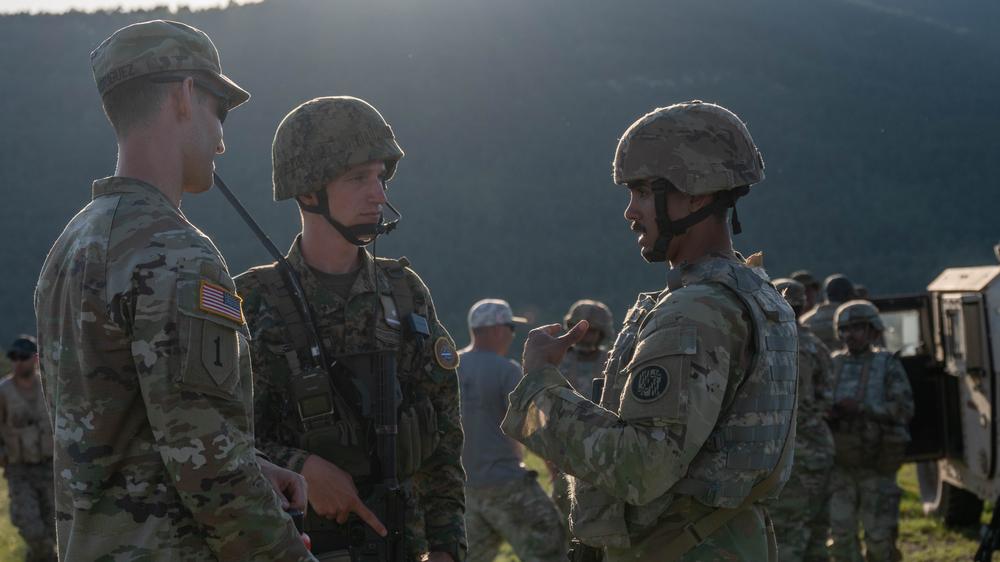
Logistics constraints have repeatedly stopped large forces that outmatched their opponents in combat power. Campaigns have culminated not because advancing forces were defeated in battle but because they outran supply lines, exhausted fuel or ammunition, or couldn't sustain operational tempo. This pattern is particularly common when large forces operate far from supply bases or when adversaries target logistics rather than combat elements. As our analysis of Millennium Challenge 2002 reveals, even in simulations, logistics assumptions often determine outcomes more than combat modeling.
Asymmetric adaptation has allowed smaller forces to offset numerical disadvantages. Rather than engaging in direct combat where size matters most, smaller forces have employed tactics that minimize the relevance of numbers - using terrain, timing, mobility, or unconventional approaches to negate advantages of mass. This pattern depends on the smaller force's ability to adapt faster than the larger force can respond - a capability advantage that often compensates for quantity disadvantages. Large forces that cannot adapt to asymmetric approaches often find their numerical superiority irrelevant to actual combat outcomes.
Overmatch without control describes situations where a larger force dominates combat engagements but cannot translate tactical success into strategic victory. This pattern often appears in counterinsurgency, stability operations, or conflicts with political dimensions that military force alone cannot resolve. The larger force may win every battle while losing the war because military dominance doesn't produce political control. This pattern has proven particularly challenging for modern militaries whose size and capability advantages are oriented toward conventional combat rather than complex political-military challenges.
Quality concentration has allowed smaller forces to achieve local superiority against larger but dispersed forces. A smaller force that concentrates capability can overmatch portions of a larger force that must distribute across territory. This pattern depends on interior lines, better intelligence, or faster decision-making that allows the smaller force to concentrate before the larger force can respond. As our analysis of legacy equipment explains, the distribution of forces across missions often matters more than total force size.
Why Size Still Matters (And When It Does)
Having examined why size doesn't guarantee victory, it's essential to acknowledge where and when size does matter. The relationship between scale and effectiveness isn't that size is irrelevant - it's that size interacts with other factors in ways that make simple comparisons misleading. Understanding when size provides decisive advantages clarifies the limits of the arguments made above.
Deterrence benefits from size in ways that don't require operational effectiveness. Large forces signal capability and commitment that may dissuade adversaries from challenging a nation's interests. This deterrent effect doesn't require that the large force actually outperform smaller alternatives in combat - it requires only that potential adversaries believe the cost of conflict would exceed any gains. Even inefficient large forces may deter by raising the perceived stakes of confrontation. Size matters for deterrence even when it might not matter for warfighting.
Endurance advantages accrue to larger forces that can sustain losses and continue fighting. Wars of attrition favor the side that can replace losses longer. Large forces with deep personnel reserves, extensive equipment inventories, and robust industrial bases can sustain campaigns that would exhaust smaller forces. This advantage is particularly relevant in protracted conflicts where both sides have roughly comparable effectiveness - under such conditions, the larger side eventually prevails simply by maintaining capability while the smaller side's resources are depleted.

Surge capacity allows large forces to concentrate overwhelming power at decisive points when needed. Even if large forces operate inefficiently in steady-state, they can generate capability spikes that smaller forces cannot match. This surge capacity may be decisive in crises or high-intensity conflicts where the ability to rapidly concentrate force determines outcomes. Smaller forces optimized for efficiency may lack the reserves to surge when circumstances demand it.
Multiple simultaneous operations require scale that smaller forces cannot provide. A nation with global interests, alliance commitments, and diverse threats may need forces deployed across multiple theaters simultaneously. Smaller forces, however efficient, may simply lack the capacity to address multiple demands. Size provides the flexibility to respond to contingencies without leaving other commitments uncovered. This is particularly relevant for nations with extensive alliance networks or global military presence requirements.
Combined arms integration requires multiple specialized capabilities that only larger forces can maintain. Modern military operations depend on integrating different elements - air, ground, naval, cyber, space - in ways that require scale across multiple domains. A small force might optimize one domain but lack the breadth for true combined arms operations. Larger forces can maintain specialized capabilities across domains that would be unaffordable for smaller forces, enabling operational approaches that smaller forces cannot execute.
Why This Misconception Persists
Given the evidence that size doesn't automatically produce victory, why does the assumption that bigger equals better remain so prevalent? Several factors explain the persistence of this misconception despite historical evidence to the contrary.
Quantifiable metrics dominate public discourse. Personnel counts, equipment inventories, and budget figures are easy to compile, compare, and present. Qualitative factors - training quality, doctrine relevance, leadership caliber, logistics efficiency - are harder to measure and compare. Media coverage, congressional hearings, and public debate naturally gravitate toward the metrics that are available and comparable, even when those metrics capture only a fraction of what determines military effectiveness. The result is public discourse shaped by numbers that matter less than most assume.
Institutional incentives favor size. Military organizations have internal interests in maintaining or expanding size - more personnel means more positions, more equipment means more programs, more budget means more resources for the institution. These incentives don't necessarily align with optimal military effectiveness. Proposals to build smaller but more capable forces threaten existing positions and programs, generating institutional resistance regardless of their strategic merit. Size becomes an end in itself rather than a means to effectiveness.
Political incentives favor visible numbers. Politicians allocating defense resources face pressure to show measurable results. Personnel counts, equipment purchases, and base employment provide visible, countable outcomes that can be claimed as achievements. Investments in training quality, maintenance readiness, or organizational effectiveness produce less visible results that are harder to campaign on. This creates political incentives to prioritize quantity over quality even when military effectiveness would be better served by the opposite tradeoff.
Historical memory selectively emphasizes mass. Public understanding of military history often focuses on conflicts where numerical superiority contributed to victory - the Allied victory in World War II, for example. Cases where smaller forces prevailed are often treated as exceptions requiring special explanation rather than illustrations of systematic patterns. This selective memory reinforces assumptions about the importance of size while obscuring evidence that would challenge those assumptions.
Complexity resists simplification. The argument that size doesn't automatically produce victory requires nuanced understanding of organizational dynamics, logistics, training, and doctrine. The argument that bigger is better requires only counting. Public discourse, media coverage, and political debate all favor simpler arguments even when reality is more complex. The result is systematic oversimplification that reinforces misconceptions about what determines military effectiveness.
What This Means for Modern Militaries
Understanding why bigger militaries don't automatically win has practical implications for how modern forces should be designed, resourced, and employed. These implications challenge conventional assumptions about defense planning and resource allocation.
Planning should prioritize effectiveness over size. Rather than measuring military adequacy by personnel counts or budget comparisons, planning should focus on what forces can actually accomplish against anticipated threats. This requires honest assessment of readiness, training quality, logistics capacity, and organizational effectiveness - metrics that are harder to measure but more relevant to outcomes. As our analysis of military readiness emphasizes, what forces can actually do matters more than how they compare on paper.
Procurement should consider sustainment. The appeal of advanced systems often fades when sustainment costs and complexity are fully accounted. Forces should be sized and equipped based on what can actually be maintained at operational readiness, not on what can be purchased initially. This may favor smaller inventories of systems that can be properly sustained over larger inventories that decay in storage or consume disproportionate maintenance resources.
Training and readiness investments often yield better returns than expansion. Resources spent improving the effectiveness of existing forces frequently produce more capability than resources spent adding new forces. This isn't universally true - there are minimum scale requirements below which forces lack critical capabilities - but above those minimums, quality investments often outperform quantity investments. Defense resource debates should consider whether marginal resources produce more effectiveness through expansion or improvement.
Organizational agility should be valued. The ability to adapt - to change doctrine, reorganize units, adopt new approaches - provides advantages that don't appear in traditional capability metrics but can prove decisive. Force designs should consider not just what the force can do today but how quickly it can adapt to changed circumstances. This may favor organizational structures that sacrifice some immediate efficiency for greater adaptability.
Logistics should be treated as a combat capability. The tendency to view logistics as a support function rather than a combat multiplier leads to underinvestment in sustainment relative to combat platforms. Yet logistics often determines what forces can actually accomplish. As our analysis of failed military technology shows, platforms that cannot be sustained in combat have little value regardless of their performance specifications. Force planning should integrate logistics requirements from the start rather than treating them as afterthoughts.
Key Takeaways
- Size creates capacity but also friction - coordination burdens, logistics requirements, and organizational inertia all increase as forces grow, offsetting some benefits of scale.
- Military "size" measures multiple different things - personnel, equipment, budget, and organizational complexity - none of which alone captures what forces can actually accomplish.
- Logistics constraints often determine outcomes - supply chain complexity increases faster than force size, limiting what large forces can actually do regardless of their combat power.
- Training quality and readiness don't scale automatically - adding more personnel faster than they can be trained and integrated dilutes average capability.
- Smaller forces often adapt faster - fewer layers, less inertia, and shorter decision cycles can provide advantages that offset numerical disadvantages.
- Technology amplifies scale problems - advanced systems require more integration, more sustainment, and more specialized personnel, often increasing rather than reducing organizational complexity.
- Coordination failures have repeatedly undermined large force advantages - when different elements cannot synchronize, they can be defeated separately despite aggregate superiority.
- Size matters for deterrence, endurance, and surge capacity - even when large forces are less efficient, they provide strategic options that smaller forces cannot.
- Quantifiable metrics dominate discourse despite limited relevance - what can be counted easily (personnel, budget) often matters less than what's hard to measure (training quality, doctrine relevance).
- Effectiveness is contextual - what works against one threat in one environment may not work against different threats elsewhere; force planning must account for this variation.
- Quality investments often yield better returns than expansion - above minimum scale thresholds, resources spent improving existing forces frequently outperform resources spent adding new ones.
- The assumption that bigger equals better reflects intuition that doesn't apply to military organizations - understanding why requires understanding organizational dynamics, not just counting resources.