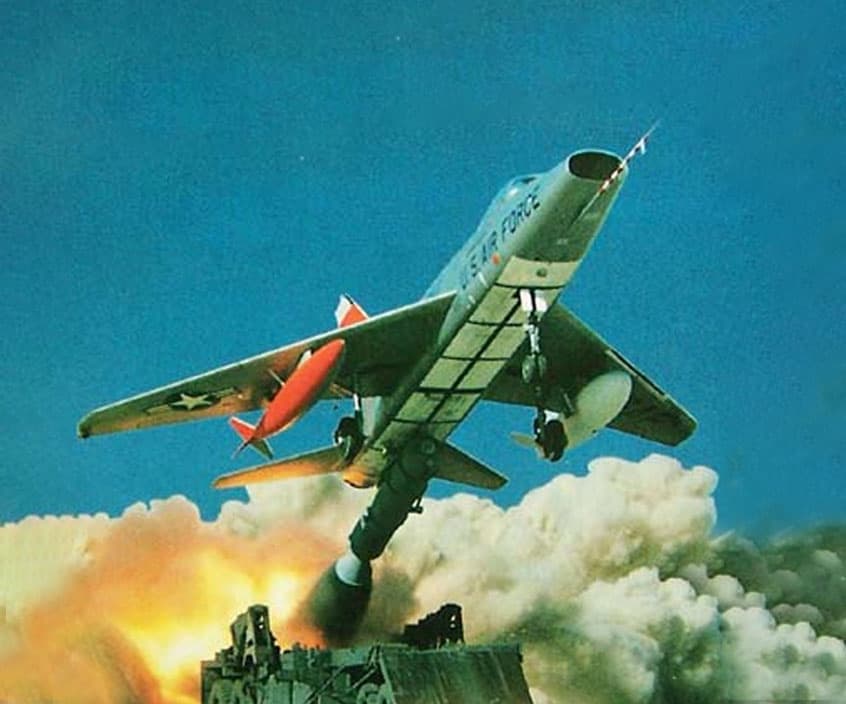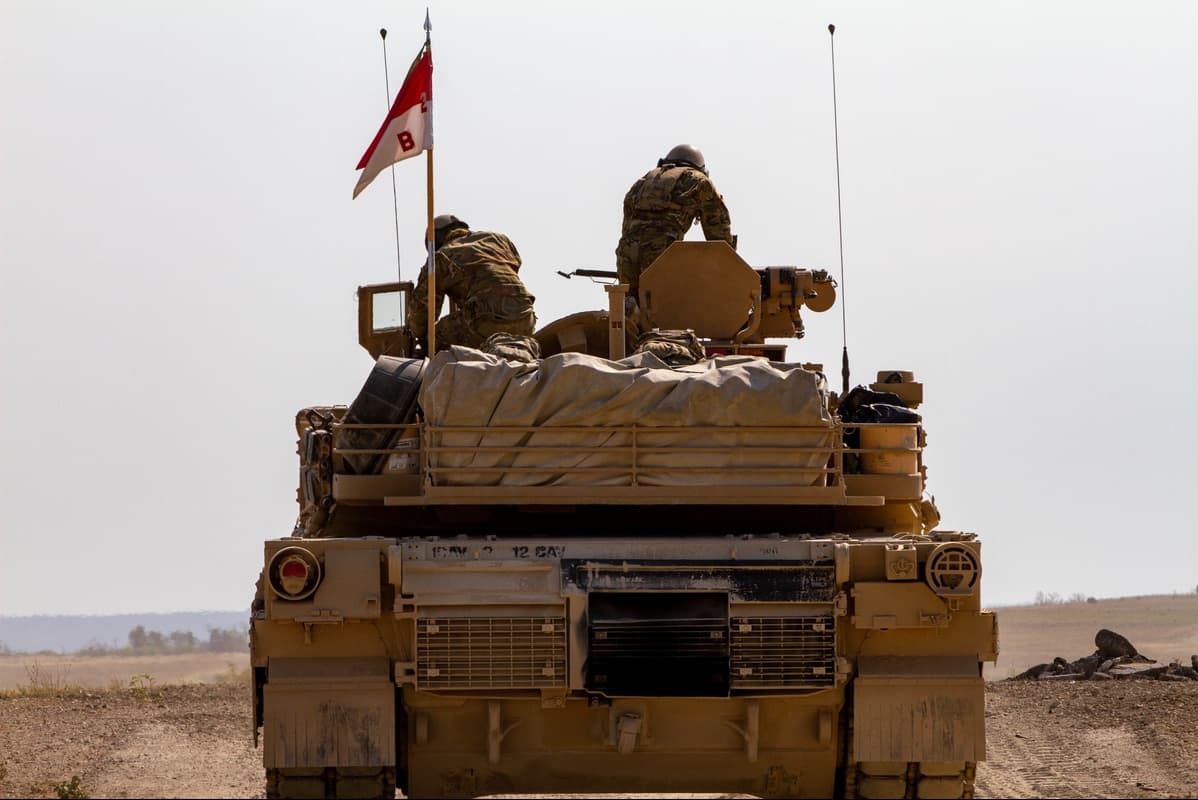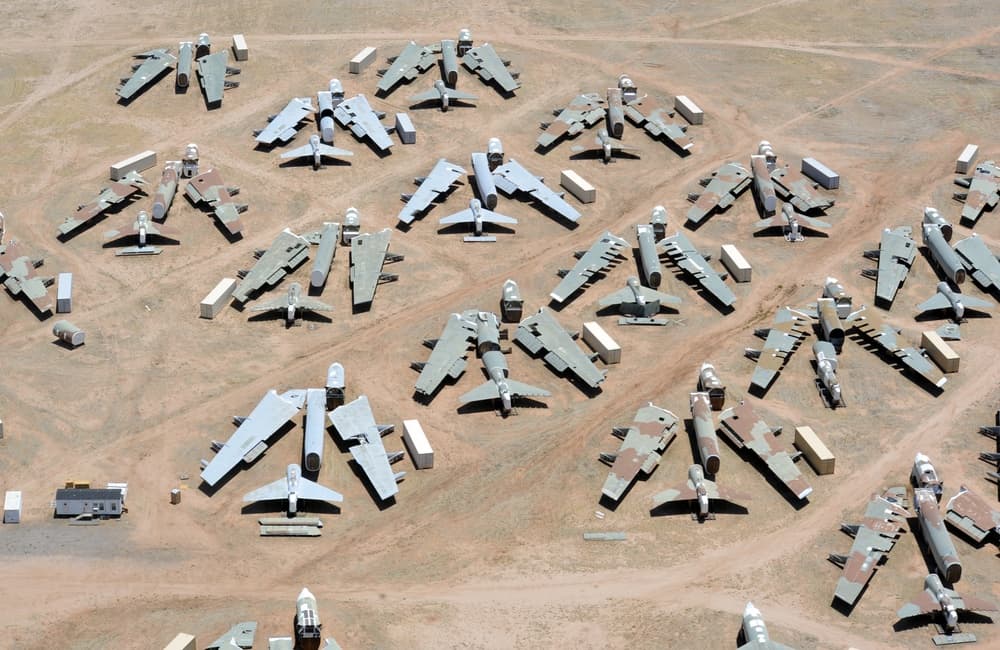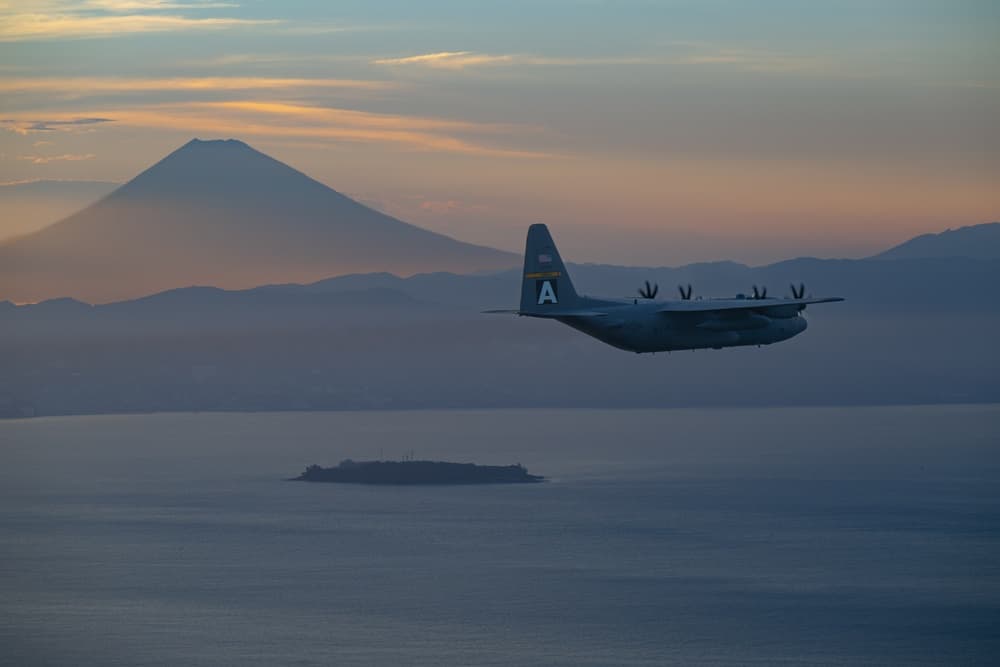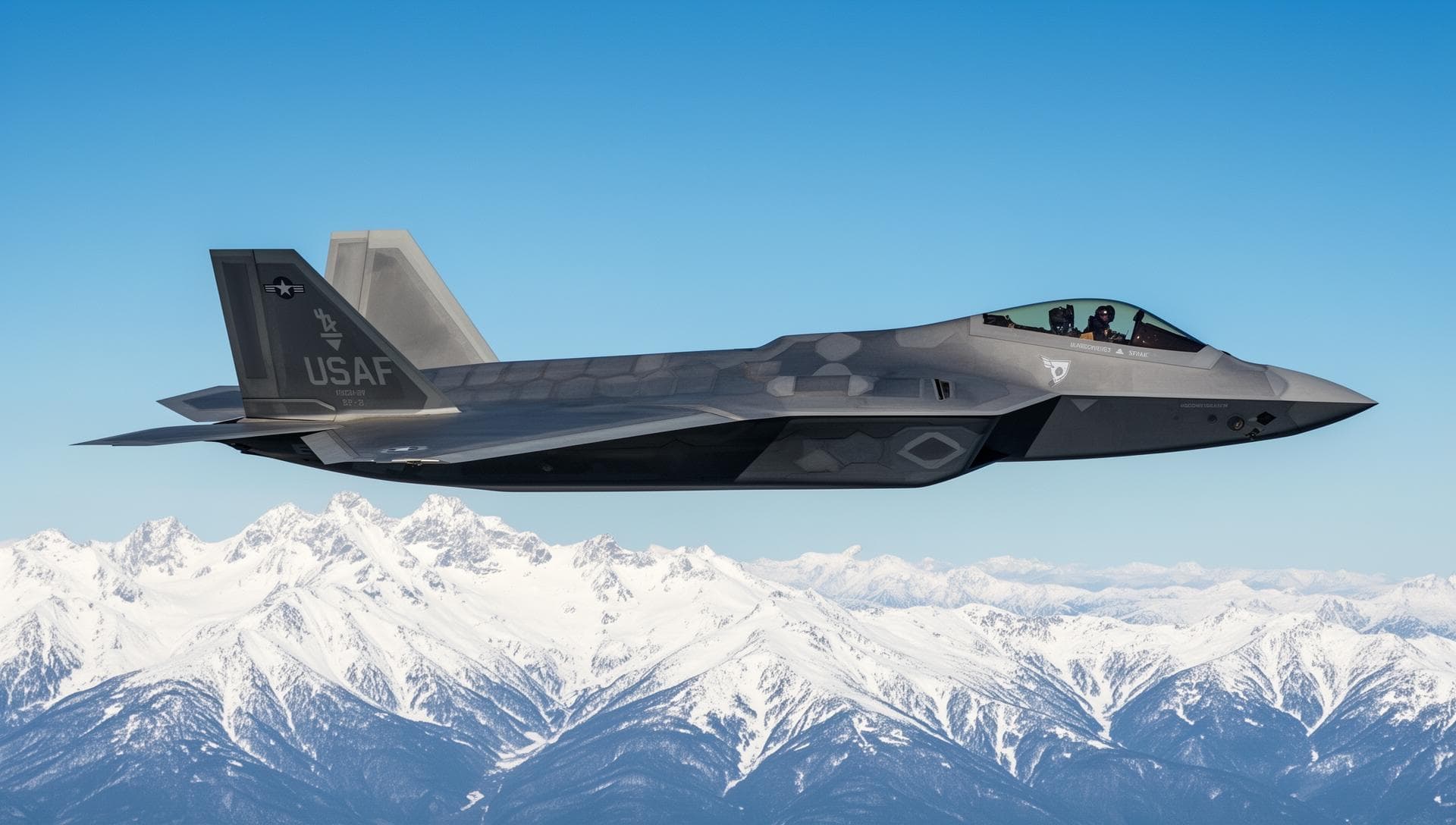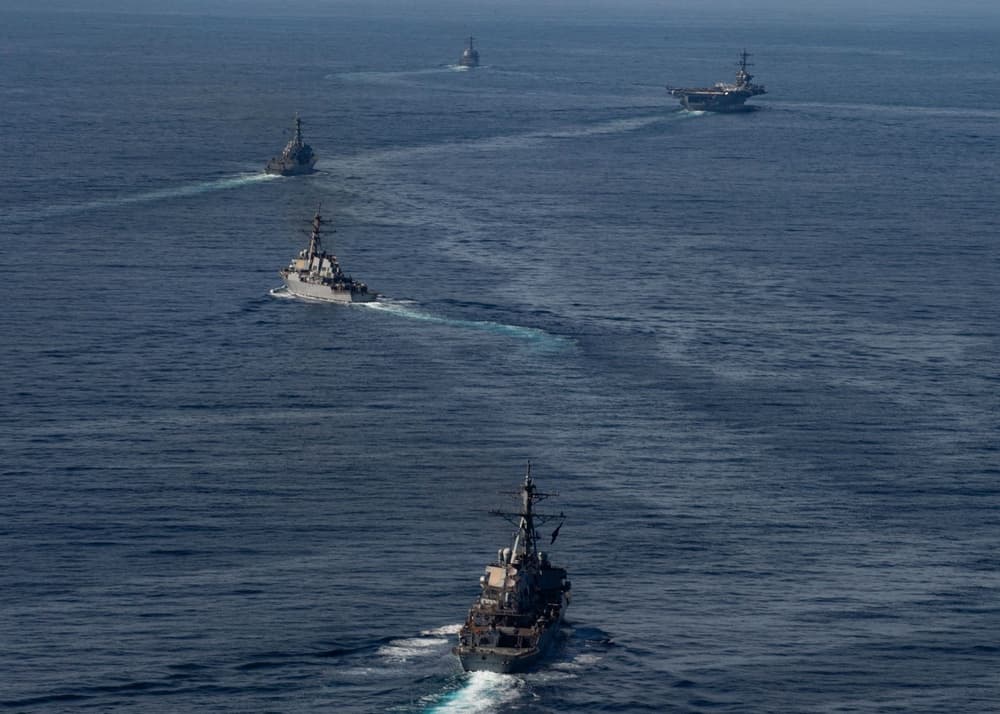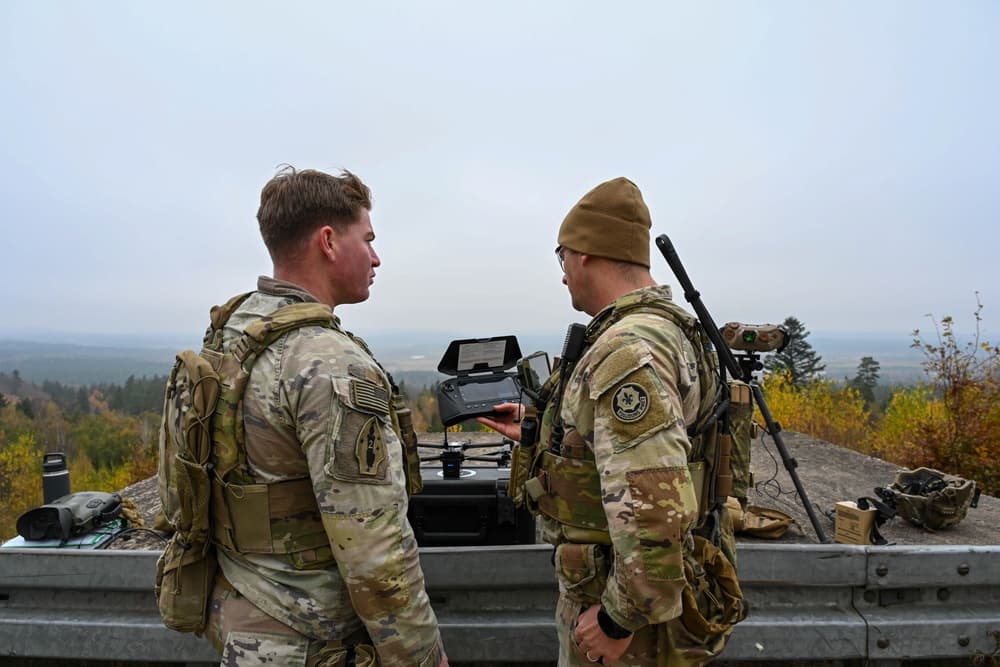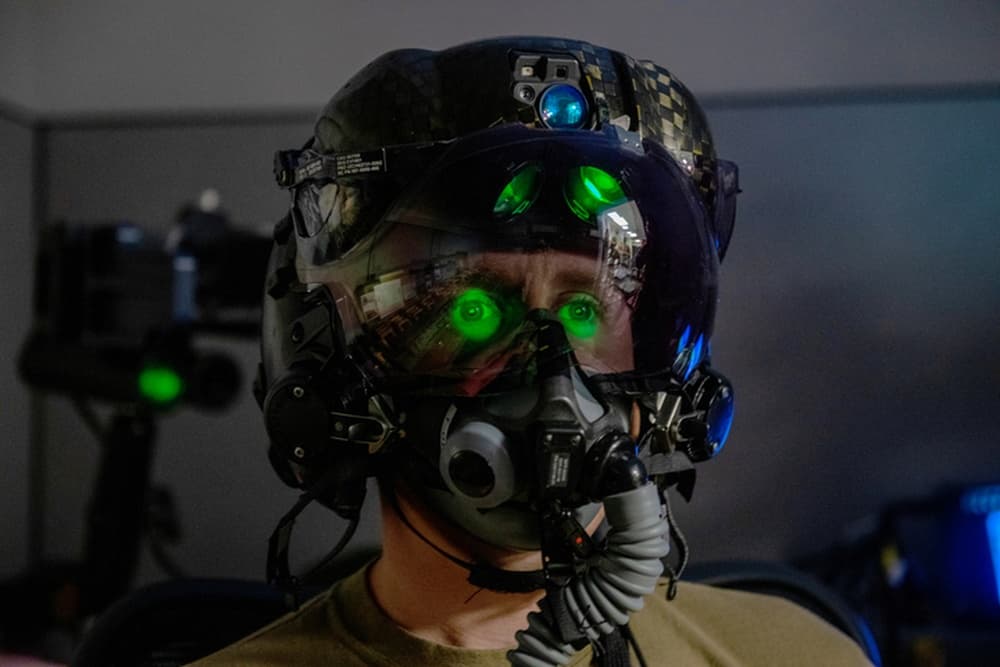
When nations go to war, public attention focuses on weapons. Fighter jets, tanks, missiles, and warships dominate headlines and defense debates. Political leaders boast about military hardware. Analysts compare specifications. Yet history repeatedly demonstrates that logistics - the mundane work of supply, transportation, maintenance, and industrial capacity - decides outcomes more reliably than any weapon system ever built.
This pattern appears so consistently across conflicts that it should be obvious. The German Wehrmacht possessed arguably the finest tactical military force of the Second World War, yet it was ground down by Soviet production capacity and American industrial might. Japan's naval aviation was world-class in 1941, but the inability to replace pilots and aircraft doomed its fleet. Iraq's Republican Guard had modern Soviet equipment in 1991, but collapsed when its supply lines were severed. The lesson seems clear, yet each generation of military thinkers must relearn it.
The persistence of this blind spot reveals something fundamental about how humans think about war. Weapons are visible, dramatic, and easy to quantify. A new fighter jet can be photographed, its specifications listed, its capabilities demonstrated. Logistics is invisible, boring, and maddeningly complex. No one films the truck convoys, the maintenance depots, or the ammunition stockpiles that make combat operations possible. No one celebrates the bureaucrats who ensure spare parts arrive on time.
This article examines why logistics matters more than most discussions acknowledge. It is not an argument that weapons are irrelevant - obviously they are not. Rather, it is an argument that the capacity to sustain military operations over time is the foundation upon which tactical excellence must rest. Without that foundation, even the most sophisticated military forces eventually collapse. Understanding this reality is essential for anyone who wants to think seriously about military power.
The focus here is on concepts and patterns rather than exhaustive historical detail. Specific examples illustrate broader principles, but the goal is to explain why logistics repeatedly proves decisive, not to provide a comprehensive history of military supply chains. The aim is clarity about a subject that too often gets lost in either technical minutiae or romantic notions of combat.
What Military Logistics Actually Includes
The term "logistics" covers far more than most people realize. It encompasses every activity required to generate, move, and sustain military forces. This includes the obvious - ammunition, fuel, food, and water - but extends far beyond these basics to include activities that rarely enter public consciousness.
Supply chain management involves procuring materials, managing inventories, and distributing resources across potentially global networks. Military supply chains must function under conditions that would cause commercial systems to fail: contested transportation routes, unpredictable demand spikes, and adversaries actively trying to disrupt them. The complexity of tracking millions of items across thousands of locations while ensuring the right materials reach the right units at the right time is staggering.
Transportation includes everything from strategic airlift and sealift that moves forces across oceans to the tactical trucks that deliver supplies the last few miles to combat units. Each mode has different capacities, speeds, vulnerabilities, and costs. Coordinating these modes into coherent distribution networks requires sophisticated planning and constant adaptation.
Maintenance and repair consume enormous resources. Modern military equipment is extraordinarily complex, requiring constant attention to remain operational. Aircraft need inspections after every flight. Vehicles require regular servicing. Electronics fail and must be replaced. The maintenance burden often surprises those unfamiliar with military operations - the ratio of support personnel to combat personnel in modern forces is typically several to one.
Medical support, personnel management, communications infrastructure, engineering capabilities, and administrative functions all fall under the logistics umbrella. Each requires specialized personnel, equipment, and supply chains of its own. The aggregate demand is immense, and any significant failure cascades through the entire force structure.
Perhaps most importantly, logistics includes industrial capacity - the ability to produce, repair, and replace equipment and munitions over time. Initial stockpiles matter, but wars that last more than a few weeks depend on production rates. The factory floor is as much a part of military logistics as the supply convoy.
Sustainment vs Initial Combat Power
Military forces possess two fundamentally different kinds of capability: what they can do on the first day of a conflict, and what they can sustain over weeks, months, or years. These are not the same thing, and the distinction matters enormously.
Initial combat power reflects the forces available at the start of hostilities. This includes ready units, equipment in working condition, trained personnel, and stockpiled supplies. Most military analyses focus on this dimension - counting tanks, aircraft, and ships to compare capabilities. Such comparisons are not wrong, but they are incomplete.
Sustainment capacity determines how long forces can continue operations and how quickly they can recover from losses. This includes production rates for munitions and equipment, the depth of spare parts inventories, the capacity to train replacement personnel, and the resilience of supply networks. A force with high initial combat power but poor sustainment will deplete rapidly; a force with moderate initial power but strong sustainment can outlast and ultimately defeat a nominally stronger opponent.
History provides stark examples of this dynamic. Germany in 1941 launched the largest land invasion in history with initial combat power that appeared overwhelming. Yet German logistics could not sustain operations at the necessary scale. Trucks wore out on Russian roads. Fuel consumption exceeded delivery capacity. The railroad gauge difference with Soviet railways created bottlenecks. Within months, the Wehrmacht's operational reach exceeded its logistical grasp, and the initiative began shifting despite continued tactical superiority.
The distinction matters for force planning. Optimizing for initial combat power - buying the most capable equipment regardless of sustainment implications - may produce impressive peacetime metrics while creating a force that cannot fight for long. Conversely, accepting somewhat less capable equipment that is easier to maintain and produce in quantity may yield greater effective combat power over the duration of a conflict.
Modern militaries face this tradeoff constantly. Exquisite systems that require extensive maintenance, specialized personnel, and low-volume production compete for resources with simpler systems that can be sustained in larger quantities. The right balance depends on assumptions about conflict duration and intensity - assumptions that are often wrong.
Why Supply Chains Fail Under Fire
Peacetime supply chains optimize for efficiency. Commercial logistics has spent decades eliminating waste, reducing inventories, and speeding delivery times. Just-in-time manufacturing minimizes the capital tied up in stockpiles. These approaches work brilliantly in stable, predictable environments.
War is neither stable nor predictable. Supply chains designed for efficiency often lack the redundancy and resilience needed for contested environments. When transportation routes are attacked, when demand spikes unpredictably, when infrastructure is destroyed, optimized systems frequently break down.
Enemy interdiction specifically targets logistics. Destroying supply depots, attacking transportation networks, and targeting fuel and ammunition are among the most effective ways to degrade an opposing force. An enemy that cannot be supplied cannot fight regardless of how capable its equipment might be. Smart adversaries understand this and prioritize logistics targets accordingly.
Demand in combat is inherently unpredictable. Ammunition expenditure rates vary enormously based on combat intensity. Equipment losses may be far higher - or lower - than planning assumptions. Casualty rates fluctuate. The consumption of specific items may spike unexpectedly while others go unused. Supply systems must handle this variability without the forecasting tools that commercial logistics depends upon.
Infrastructure destruction compounds these challenges. Roads, bridges, ports, and airfields that planners counted on may be damaged or destroyed. Alternative routes may not exist or may have insufficient capacity. Repair takes time and resources that compete with other priorities. The transportation network that functioned adequately in peacetime may prove woefully inadequate under attack.
The fog of war disrupts coordination. Information about what units need, what supplies are available, and what transportation capacity exists becomes unreliable. Orders get lost or delayed. Shipments go to wrong locations. Units that desperately need supplies wait while others accumulate excess. The administrative systems that coordinate logistics struggle to function amid chaos.
These factors combine to make wartime logistics far more difficult than peacetime operations suggest. Forces that appear adequately supplied based on peacetime assessments may find themselves critically short once fighting begins. The margin between sufficiency and failure is often smaller than planners appreciate.
Transportation, Fuel, and Maintenance
Three elements of logistics deserve particular attention because they constrain nearly everything else: transportation capacity, fuel supply, and maintenance capability. Failures in any of these areas can paralyze a military force regardless of its other strengths.
Transportation determines what can be moved where. Strategic mobility - the ability to deploy forces to distant theaters - depends on airlift and sealift capacity. Operational mobility - moving forces within a theater - requires trucks, trains, and tactical aircraft. The capacity of these transportation networks sets hard limits on what forces can accomplish. A brilliant operational plan that exceeds transportation capacity is not brilliant - it is fantasy.
Fuel consumption in modern military operations is staggering. Armored vehicles, aircraft, and ships consume enormous quantities. A single armored division can require over a million gallons of fuel per day during intensive operations. This fuel must be transported, stored, and distributed - activities that themselves consume fuel. The logistics of fuel often determines operational reach more than any other factor.
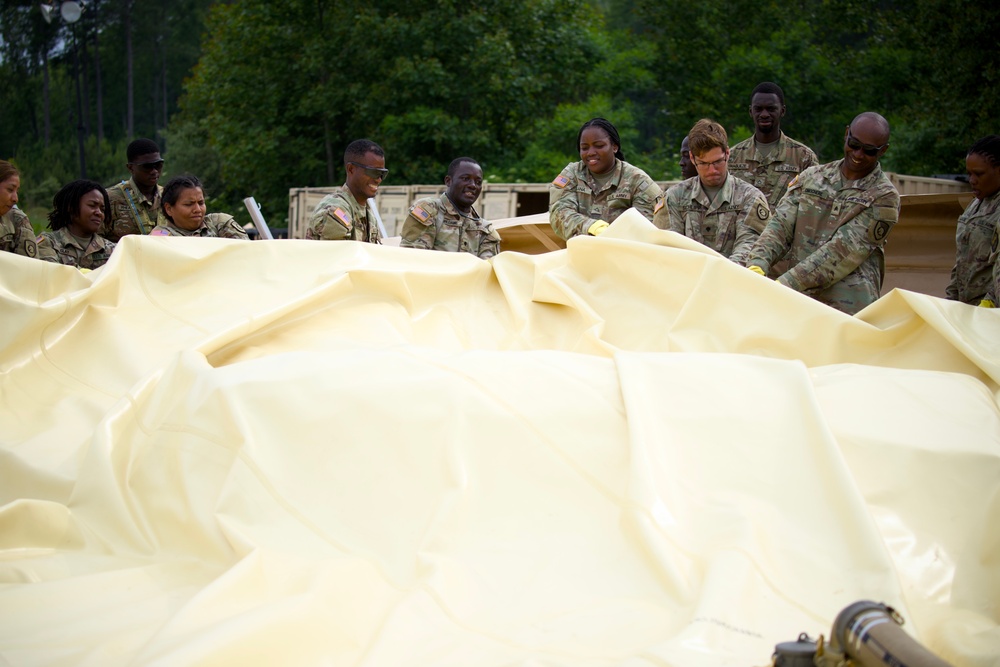
The fuel challenge extends beyond simple quantity. Different vehicles require different fuel types. Storage requires specialized facilities. Distribution requires tanker trucks, pipelines, or fuel bladders. Security for fuel convoys and depots demands significant forces. The entire fuel supply chain is vulnerable to attack and difficult to improvise if disrupted.
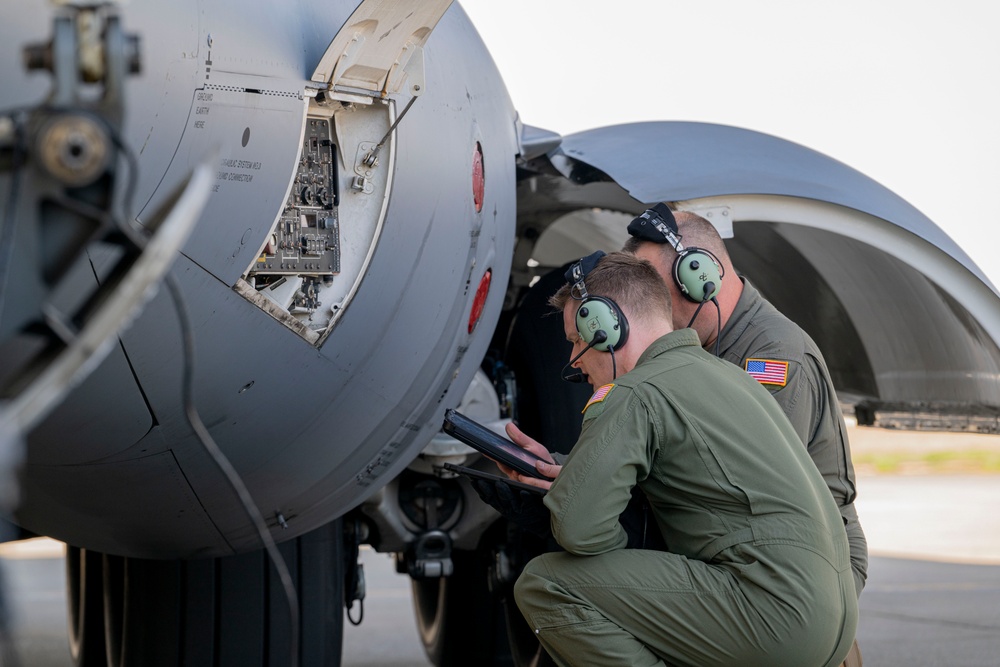
Maintenance keeps equipment operational. Modern military systems require constant attention. Aircraft may need tens of maintenance hours for every flight hour. Vehicles require regular servicing and repair. Electronics fail and must be replaced. Without adequate maintenance, equipment availability - the percentage of systems actually ready for use - drops rapidly.
The maintenance burden is often underestimated. Peacetime maintenance benefits from established facilities, reliable spare parts supply, and predictable schedules. Wartime maintenance must occur in austere conditions, with uncertain parts availability, and on equipment that is being used far more intensively than designed. The gap between peacetime and wartime maintenance capability can be substantial.
These three factors - transportation, fuel, and maintenance - interact in complex ways. Maintenance requires spare parts that must be transported. Transportation requires fuel. Fuel distribution requires vehicles that themselves need maintenance. Constraints in any area cascade through the entire system. Planners who focus on combat power without understanding these constraints are likely to be surprised by how quickly that power degrades.
Industrial Capacity and Replacement Rates
Wars that last more than a few weeks become contests of industrial production as much as tactical skill. Initial stockpiles are consumed. Equipment is damaged or destroyed. Personnel become casualties. The ability to replace these losses determines whether a force can continue fighting.
Ammunition production illustrates the challenge. Modern precision munitions are extraordinarily effective but also extraordinarily expensive and slow to produce. Stockpiles that seem adequate in peacetime may be depleted in days or weeks of intensive combat. Production facilities cannot simply be scaled up overnight - they require specialized equipment, trained workers, and complex supply chains of their own.
Equipment replacement faces similar constraints. Modern military platforms - aircraft, ships, armored vehicles - take years to design and months or years to produce. Wartime production can be accelerated, but the lead times remain substantial. A force that loses equipment faster than it can be replaced is on a trajectory toward defeat regardless of how well it fights in individual engagements.
Personnel replacement is often the binding constraint. Training a competent infantryman takes months. Training a pilot takes years. Specialized personnel - maintenance technicians, intelligence analysts, logistics coordinators - require extensive preparation. Casualties among these skilled personnel cannot be quickly replaced, and their loss degrades capability out of proportion to their numbers.
Industrial capacity is not merely about factories. It includes the entire supply chain of raw materials, components, and specialized inputs that manufacturing requires. It includes the workforce with necessary skills. It includes the transportation and energy infrastructure that keeps production running. Disrupting any part of this system degrades output.
The contrast between American and Japanese industrial capacity in World War II illustrates the decisive nature of production. Japan produced about 70,000 aircraft during the entire war. The United States produced over 300,000. Japan could not replace its carrier losses from Midway; the United States built over 100 carriers of various types. This industrial disparity made the outcome inevitable regardless of tactical performance in individual battles.
Modern conflicts may not see mobilization on World War II scales, but the principle remains. Forces that can sustain and replace their combat power have fundamental advantages over those that cannot. Industrial capacity is not a supporting factor - it is often the decisive one.
Organization, Planning, and Bureaucracy
Logistics is not merely a matter of materiel - it is fundamentally an organizational challenge. The systems that coordinate supply, transportation, maintenance, and personnel are as important as the physical resources themselves. Effective military logistics requires bureaucratic competence that is rarely celebrated but often decisive.
Planning converts requirements into action. Determining what forces will need, when they will need it, and how to provide it requires sophisticated forecasting, coordination, and adaptation. Military logistics planning must anticipate conditions that cannot be precisely predicted while remaining flexible enough to adjust when assumptions prove wrong.
Information systems track the movement of millions of items across complex networks. Knowing what is where, what is needed, and what is in transit is essential for effective distribution. Poor information leads to supplies sitting in one location while units elsewhere go without. The administrative systems that manage logistics information are as critical as the transportation systems that move physical goods.
Coordination across organizations is perpetually challenging. Combat units, logistics units, transportation commands, and industrial suppliers must work together despite different priorities, cultures, and incentive structures. Joint and coalition operations multiply these coordination challenges. Getting diverse organizations to synchronize their activities is difficult in peacetime and far harder under the pressures of war.
Bureaucratic competence - the ability to manage complex administrative systems effectively - is unfashionable but essential. Procurement systems must acquire the right materials. Personnel systems must assign the right people. Financial systems must allocate resources appropriately. When these administrative functions fail, logistics fails regardless of how much materiel theoretically exists.
The organizational dimension of logistics is often neglected in discussions that focus on equipment and supplies. Yet history repeatedly shows that armies with adequate resources fail when they cannot organize those resources effectively. The bureaucratic machinery of logistics is as much a weapon system as any tank or aircraft.
Modern Conflicts and Old Logistics Problems
Contemporary conflicts demonstrate that technology has not eliminated the fundamental challenges of military logistics. Despite decades of investment in logistics information systems, precision inventory management, and sophisticated transportation networks, modern forces continue to face supply problems that would be familiar to commanders from previous centuries.
The initial phases of the 2003 Iraq invasion saw American forces outrun their supply lines. Units that advanced rapidly found themselves short of fuel and ammunition. The famous "Thunder Run" into Baghdad succeeded partly because it moved faster than Iraqi forces could react - but also risked catastrophic supply failure. Modern communications and tracking systems did not prevent the fundamental problem of forces moving faster than logistics could support.
Extended counterinsurgency operations revealed different logistics challenges. The need to supply forces at numerous small bases across large areas strained distribution networks. Convoy security consumed substantial combat power. Improvised explosive devices turned supply routes into combat zones. The logistics footprint required to sustain these operations often exceeded what planners had anticipated.
Recent conflicts have highlighted ammunition consumption rates that challenge stockpile assumptions. Precision munitions that were expected to be used sparingly have been employed in quantities that deplete inventories rapidly. Artillery ammunition expenditure in sustained combat has exceeded peacetime planning factors. These consumption rates raise questions about whether current stockpiles and production capacity are adequate for extended high-intensity conflict.
The problem of contested logistics has returned to prominence. For decades, Western militaries operated in environments where supply lines were essentially secure. Adversaries could not meaningfully threaten the logistics infrastructure that supported operations. Future conflicts against capable opponents may see systematic attacks on supply chains, transportation networks, and industrial capacity - returning logistics to the contested domain it historically occupied.
These contemporary examples reinforce rather than refute historical patterns. Technology has improved logistics capabilities but has also increased the complexity and demands of sustaining modern forces. The fundamental truth remains: forces that cannot sustain operations cannot win, regardless of their technological sophistication.
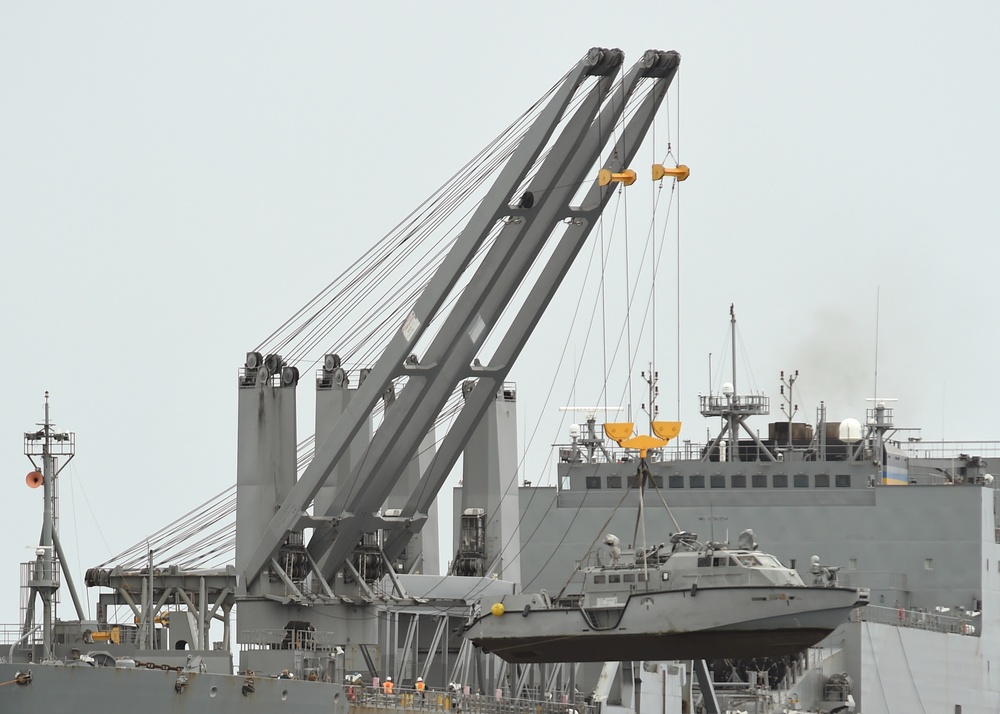
Why Superior Weapons Do Not Guarantee Victory
The persistent belief that superior weapons ensure victory reflects a misunderstanding of how military power actually functions. Weapons are tools. Their effectiveness depends on the system that employs them - including the logistics that make their employment possible.
A single aircraft with no fuel, ammunition, or functioning components is worthless. A tank without supplies to sustain its crew, fuel to move, and maintenance to keep it running is merely an obstacle. Even the most advanced weapons are entirely dependent on the logistics infrastructure that supports them. This dependence is not incidental - it is fundamental to how military forces operate.
Qualitative superiority matters less than commonly assumed because combat power is the product of quality and sustainable quantity. A force with fewer but individually superior systems may find itself overwhelmed by a force with more numerous but adequately capable systems. If the superior systems cannot be sustained at necessary rates, their qualitative edge diminishes over time.
The relationship between quality and quantity shifts across conflict phases. Initial engagements may favor qualitative superiority when both sides are at full strength. Extended conflicts favor forces that can sustain combat power over time. The assumption that conflicts will be short often underlies faith in qualitative superiority - an assumption that proves wrong with disturbing frequency.
Superior weapons may also create logistics burdens that offset their advantages. More sophisticated systems typically require more maintenance, more specialized personnel, and more extensive supply chains. If these burdens reduce the number of systems that can be fielded or sustained, the net effect on combat power may be negative despite nominal capability improvements.
None of this means that weapon quality is irrelevant. Clearly it matters. The argument is rather that weapon quality is one factor among many, and often not the most important one. Forces that neglect logistics in favor of prestigious weapon systems frequently discover this truth in the hardest possible way.
What Militaries Still Get Wrong About Logistics
Despite the historical record, military organizations continue to make predictable errors in how they approach logistics. These errors persist because of institutional incentives, cognitive biases, and the inherent difficulty of the subject.
Logistics is undervalued in military cultures that celebrate combat roles. Career advancement often favors combat arms over logistics specialties. Prestige attaches to those who fight, not those who supply. This cultural bias leads to chronic underinvestment in logistics capabilities and the assignment of less talented personnel to logistics functions.
Planning assumptions often underestimate consumption rates and overestimate sustainment capacity. Peacetime operations provide poor baselines for wartime demands. Exercises rarely stress logistics systems as severely as actual combat would. The result is planning based on optimistic assumptions that fail when tested against reality.
Just-in-time approaches that work commercially may fail militarily. The efficiency gains from minimizing inventories come at the cost of resilience against disruption. Military supply chains need redundancy and depth that commercial systems can avoid. Adopting commercial practices without adaptation to military requirements can create dangerous vulnerabilities.
Industrial capacity has been allowed to atrophy in many countries. Production lines for munitions and military equipment have been reduced or eliminated. The skilled workforce for military manufacturing has shrunk. Reconstituting this capacity takes years, not months. Countries that have allowed their defense industrial bases to erode may find themselves unable to sustain operations in extended conflicts.
Maintenance and repair capabilities are often sacrificed for procurement of new systems. Limited budgets force tradeoffs, and new equipment is more politically attractive than maintenance capacity. Yet forces with extensive inventories they cannot maintain have less real combat power than forces with smaller inventories kept at high readiness.
These patterns persist because they are easier than the alternatives. Building robust logistics requires sustained investment in unglamorous capabilities. It requires resisting the temptation to spend on more visible priorities. It requires planning for scenarios that may never occur. The difficulty of doing logistics right explains why it is so often done wrong.
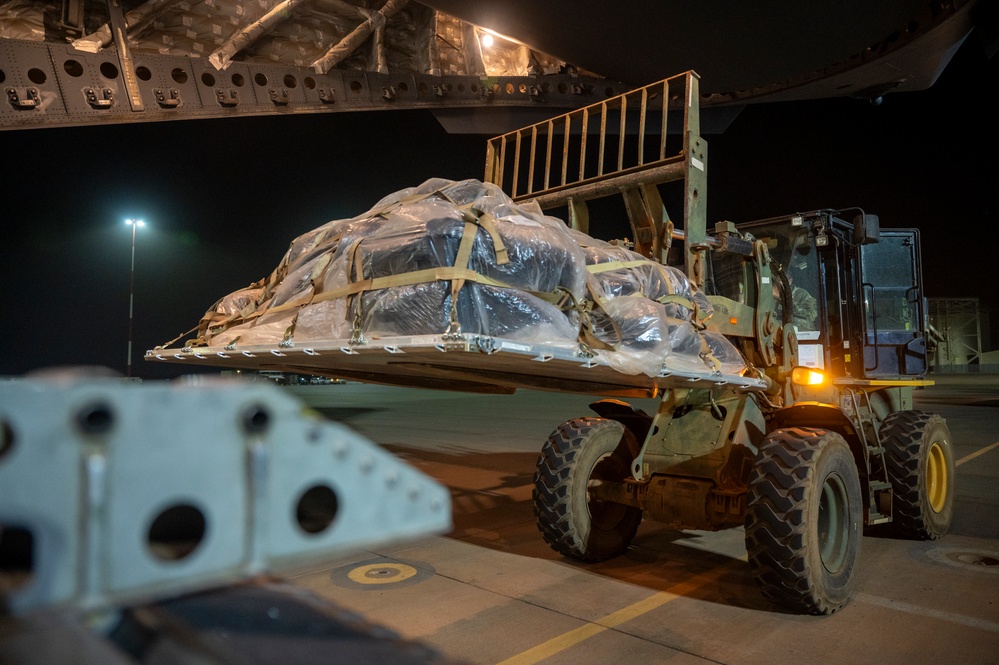
Conclusion: The Invisible Decisive Factor
Military logistics remains largely invisible to public discussion despite its decisive role in determining war outcomes. This invisibility has consequences. It distorts how nations evaluate military power, how they allocate defense resources, and how they think about conflict.
The pattern is consistent across history. Forces with superior logistics outlast those without. Industrial capacity trumps initial stockpiles in extended conflicts. The mundane work of supply, transportation, and maintenance determines what is actually achievable far more than the theoretical capabilities of weapon systems.
Future conflicts are likely to stress logistics even more severely than past ones. Precision weapons will target supply chains and industrial capacity. Consumption rates for sophisticated munitions may exceed production capacity. Extended-range operations will strain transportation networks. Cyber and electronic warfare will disrupt the information systems that coordinate logistics. The challenges will intensify even as public attention remains focused elsewhere.
What most public discussions get wrong is the assumption that military power can be understood by counting weapons. This approach ignores the foundation upon which weapons must rest. It produces assessments that look sophisticated but miss the factors most likely to prove decisive. It encourages investment in prestigious capabilities while neglecting the sustainment that makes those capabilities meaningful.
Understanding military logistics is not merely an academic exercise. It is essential for anyone who wants to think seriously about national security, defense policy, or the conduct of war. The lesson has been taught repeatedly throughout history. The question is whether current and future decision-makers will finally learn it.
For related analysis, see our examination of how military maintenance determines combat power and what military readiness actually means.