The F-15 Eagle and F-16 Fighting Falcon represent two different philosophies in fighter design. In a hypothetical dogfight between these American fighters, the outcome depends heavily on the engagement's starting conditions and the pilots' skill levels.
The Short Answer: F-15 Favored
In most scenarios, the F-15 Eagle holds advantages that tip the balance in its favor. Its superior radar, higher top speed, and greater weapons capacity give it more options for controlling the engagement. However, the F-16 is far from helpless.
F-15 Advantages
Speed and Power
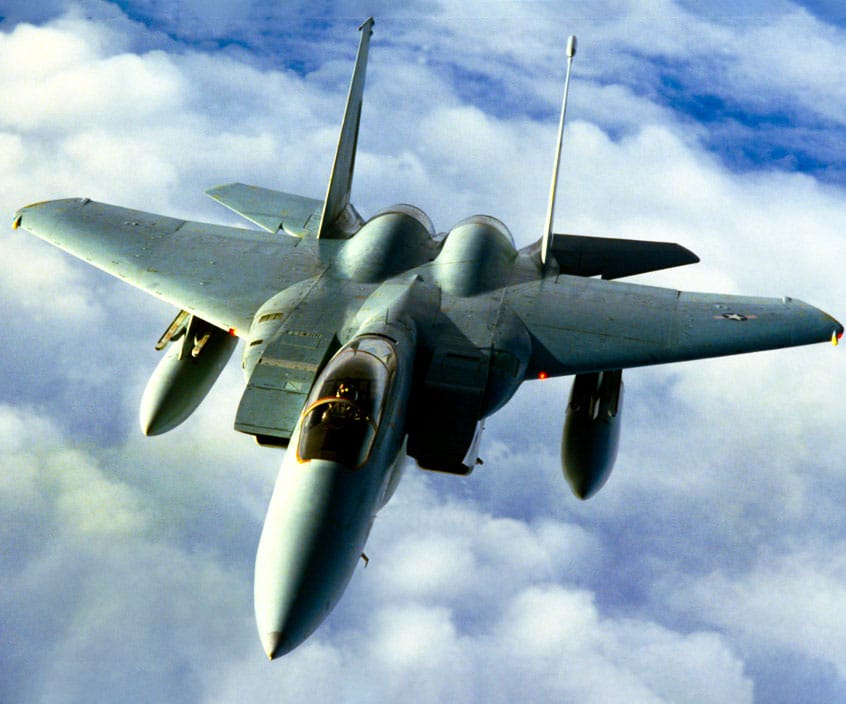
The F-15 can reach Mach 2.5, significantly faster than the F-16's Mach 2.0 maximum. Its twin F100 engines produce 58,000 pounds of thrust combined, compared to the F-16's single engine producing 29,000 pounds. This power advantage lets the F-15 dictate the terms of engagement.
Radar and Sensors
The F-15's AN/APG-63 or AN/APG-70 radar outperforms the F-16's radar in range and tracking capability. The F-15 can detect and engage targets at greater distances, potentially ending fights before the F-16 gets within its effective envelope.
Weapons Load
The F-15 carries up to eight air-to-air missiles, while the F-16 typically carries six. More missiles mean more engagement opportunities and greater margin for error.
F-16 Advantages
Maneuverability
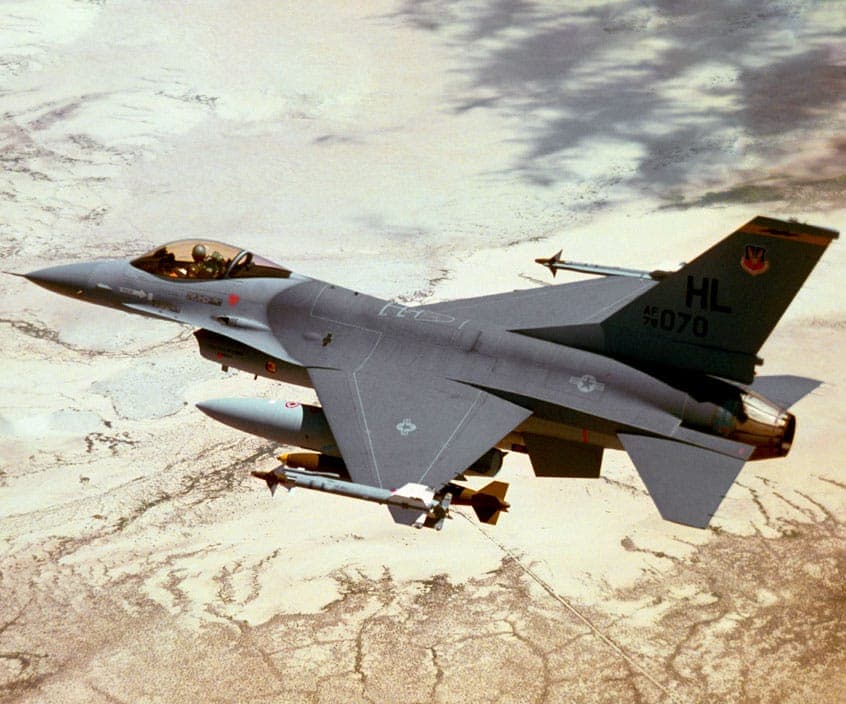
The F-16's lighter weight and fly-by-wire control system give it excellent instantaneous turn rate. In a close-quarters fight, the F-16 can pull angles the heavier F-15 cannot match. Its bubble canopy provides superior visibility in a turning fight.
Size and Signature
The F-16's smaller airframe makes it harder to spot visually. In within-visual-range combat, seeing your opponent first matters enormously. The F-16's compact profile offers a subtle but real advantage.
Sustained Turn Rate
At certain speeds and altitudes, the F-16's power-to-weight ratio allows it to sustain high-G turns longer than the F-15. A skilled F-16 pilot can use this to force the engagement into a regime where the Eagle's advantages diminish.
How the Fight Plays Out
Beyond visual range, the F-15 dominates. Its radar picks up the F-16 first, and its missiles have longer range. An F-15 pilot can launch, assess, and re-engage before the F-16 gets close.
If the fight enters close quarters, things become more competitive. The F-16's agility allows it to threaten the F-15, especially if the F-15 pilot makes mistakes. However, the F-15's superior energy retention means it can extend, regain advantage, and re-engage on favorable terms.
Design Philosophy Matters
The F-15 was designed from the outset as an air superiority fighter. Its famous motto, "Not a pound for air-to-ground," reflected a pure focus on defeating enemy aircraft. The F-16 was designed as a lightweight day fighter that evolved into a multirole platform.
This philosophical difference shows in the results. The F-15 has never lost an air-to-air engagement in combat. The F-16 has proven itself capable in air combat but also excels in strike missions the F-15C wasn't designed for.
The Bottom Line
In a pure dogfight, the F-15 wins more often than not. Its combination of speed, sensors, and weapons capacity creates advantages the F-16 struggles to overcome. But in the hands of a skilled pilot who can drag the fight to low-speed, close-quarters combat, the F-16 remains dangerous.
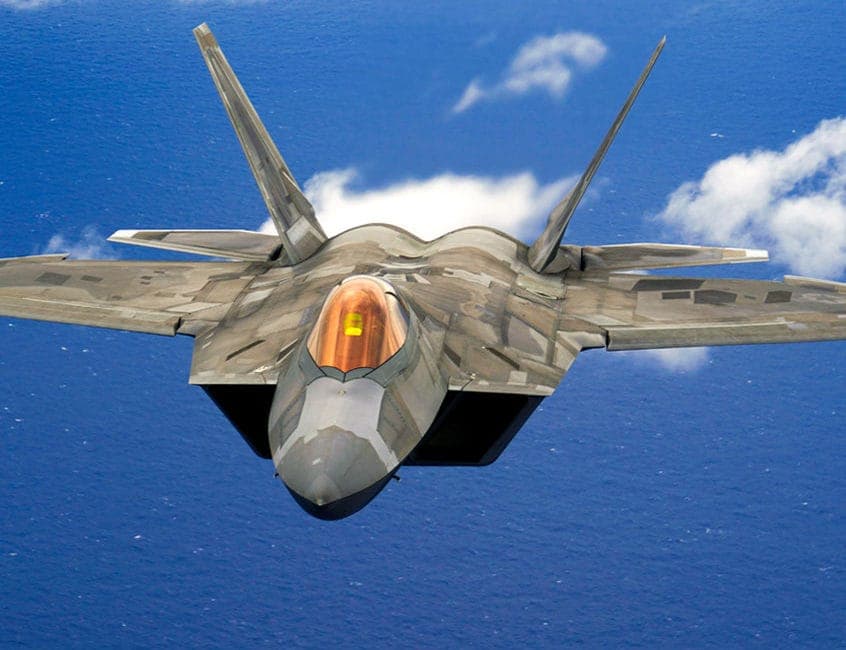
For more fighter comparisons, see our analysis of the F-35 vs F-22 in a dogfight or learn why the F-22 is called Raptor.